
Discovering Weed in Örnsköldsvik: High Coast Beauty, Swedish Reality, and a Safer Way to “Explore”
Örnsköldsvik (often shortened to “Ö-vik” by locals) sits in a part of Sweden that feels like a deep exhale. You’re on the edge of the High Coast (Höga Kusten), a UNESCO World Heritage area celebrated for dramatic coastline, red granite, islands, forested peaks, and the ongoing geological phenomenon of post-glacial land uplift. (Visit Sweden)
That scenery naturally inspires a certain fantasy: hike all day, watch the light melt over the Gulf of Bothnia, then “enhance the view” with a little weed. But Sweden isn’t built on that kind of casual tolerance. The most important discovery you can make in Örnsköldsvik is that cannabis is illegal in Sweden, treated as a narcotic, and the country’s official guidance is explicit: the Penal Law on Narcotics criminalizes use, possession, purchase, sale, and transfer, with penalties that can include substantial fines and imprisonment depending on circumstances. (Regeringskansliet)
So this guide takes a traveler-first, harm-reduction approach. No “where to buy,” no workarounds, no risky hints (I can’t help with any of that). Instead: the real legal landscape, what the vibe is actually like in Ö-vik, the traps visitors fall into, and the best legal ways to get the same “softened, scenic” feeling that people often chase with cannabis.
Örnsköldsvik in One Sentence: A Nature-Forward City at the Doorstep of the High Coast
Örnsköldsvik is a mid-sized coastal city in Västernorrland County that works as a practical base for exploring the High Coast’s trails, islands, viewpoints, and small harbors. When people say “High Coast trip,” they often mean a loop of nature stops—and Örnsköldsvik is frequently the kind of endpoint or hub you sleep in before heading out again. The Swedish Tourist Association even describes its Signature Trail High Coast as starting at Hornöberget and ending in Örnsköldsvik. (Swedish Tourist Association)
What you’ll notice quickly:
- The landscape is the main attraction.
- Even “city plans” tend to revolve around outdoor access.
- The mood is calm and functional—more hiking boots than high heels.
That matters, because places built around nature experiences tend to have shared-space etiquette: people are here for clean air, peace, and safety. Anything that threatens that (like public intoxication or drug use) is treated as more than “just a personal choice.”
The High Coast Effect: Why This Place Feels Made for a “Mellow” Trip
The High Coast is world-famous for a reason. Visit Sweden highlights it as a UNESCO World Heritage site with an exceptionally high coastline (often cited around 286 meters above sea level) shaped by post-glacial land uplift that continues today. (Visit Sweden)
That geological story becomes a travel experience:
- Climb viewpoints where cliffs drop into the sea.
- Kayak or boat through island-dotted waters.
- Hike trails that alternate between deep forest and huge open vistas/Discovering Weed in Örnsköldsvik.
The official High Coast visitor guide frames the area as packed with activities, experiences, food, and places to stay, and notes it’s easy to travel around by train and road once you’re there. (Höga Kusten)
This is exactly the kind of destination where people think cannabis “belongs,” because nature can already feel like a head change. The twist is that Sweden’s legal and social framework doesn’t match that fantasy.
Sweden’s Cannabis Baseline: Strict, Clear, and Not a “Gray Zone”
If you’ve traveled in places with decriminalization or legal adult-use markets, Sweden can be a shock. Sweden’s official diplomatic guide states plainly that the Penal Law on Narcotics criminalizes use, possession, purchase, sale, and transfer of drugs, and it outlines penalties: up to three years’ imprisonment for a drug offence (in that guidance) and substantial fines for a minor drug offence. (Regeringskansliet)
For the underlying legal text in accessible form, Sweden publishes an unofficial translation of excerpts from the Penal Law on Narcotics, and the UNODC hosts a translation of Sweden’s Narcotic Drugs (Punishments) Act/Discovering Weed in Örnsköldsvik. (Regeringskansliet)
What this means in plain travel logic:
- There is no legal recreational THC infrastructure to “visit.”
- Trying to participate in an illicit market is the opposite of relaxing.
- Small-town-ish places + strict laws = you do not want to be the memorable stranger.
“But People Use It, Right?” Yes—And That Doesn’t Help Tourists
Illegal doesn’t mean nonexistent. The Public Health Agency of Sweden states that cannabis is the most common narcotic drug in Sweden and provides past-year prevalence figures (by gender and age group). (Folkhälsomyndigheten)
European monitoring has also described cannabis as the illicit substance most commonly used in Sweden, while still noting comparatively low prevalence versus many European countries. (EUDA)
So cannabis exists. But here’s the key nuance for travelers/Discovering Weed in Örnsköldsvik:
- In strict-law environments, cannabis culture tends to be private, not public-facing.
- Visitors searching for it can stumble into illicit networks that are riskier than they expect.
- The “tourism layer” (legal shops, lounges, education tours) doesn’t exist.
In other words: knowing it exists doesn’t make it accessible or safe.
What “Discovering Weed” Typically Looks Like in Örnsköldsvik (And Why It’s a Bad Plan)
In a legal jurisdiction, discovery is regulated: labeled products, dosage guidance, consumer protections, and clear rules about where consumption is allowed. In Örnsköldsvik, actively trying to “discover weed” typically means bumping into the illegal market/Discovering Weed in Örnsköldsvik.
That comes with stacked risks:
- Legal risk: fines, detention, prosecution, and travel disruption.
- Quality risk: unknown potency and contaminants.
- Safety risk: scams, theft, coercion, and unpredictable interactions.
- Housing risk: eviction or penalties if your lodging detects smoke or receives complaints.
If your trip matters—even if it’s “just a weekend getaway”—the risk/reward ratio is awful.
Why Örnsköldsvik’s Setting Makes Cannabis Riskier Than People Assume
Some travelers incorrectly think nature destinations are “easier” because fewer people are around. In reality, outdoor regions can be riskier because:
- You’re often driving winding roads, using ferries, hiking cliffs, or being on water—impairment can turn into an accident fast.
- The same trailheads and viewpoints funnel people into the same places; you’re not as invisible as you think.
- In smaller communities, unusual behavior stands out.
The High Coast is a place people go to feel safe in nature. Locals and visitors don’t generally appreciate anything that threatens that shared safety.
CBD in Sweden: The “It’s Not THC” Trap
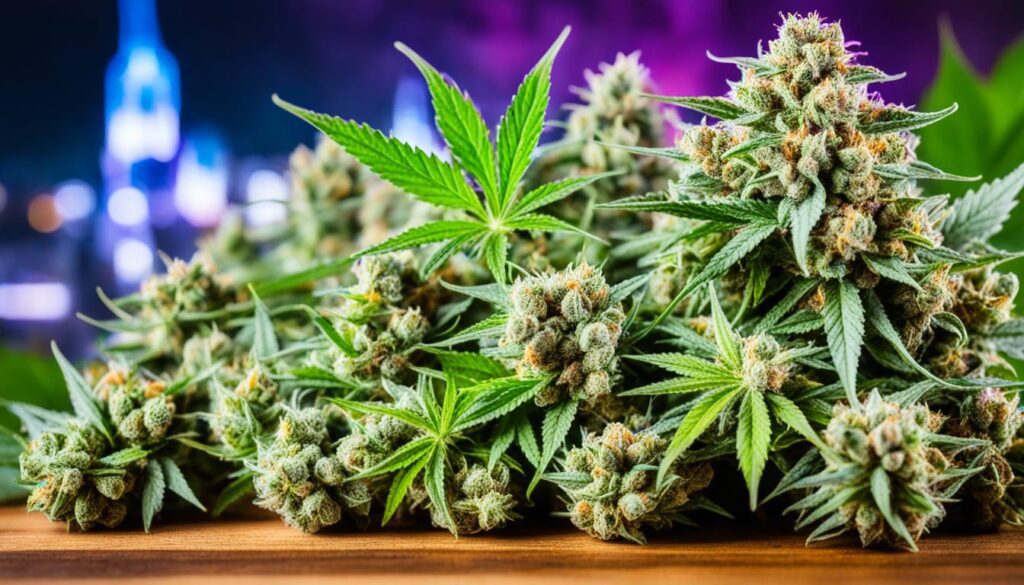
CBD is where travelers get themselves into trouble by assuming all countries treat it the same. Sweden has a regulated medicines environment that includes specific cannabinoid-based medicines, and products can be classified in ways that differ from other jurisdictions. (Regeringskansliet)
Practical travel takeaway:
- Don’t assume you can bring CBD oils, vapes, gummies, or flower into Sweden without issues.
- Don’t assume labels are reliable enough for strict jurisdictions.
- If a product contains THC (even trace), you may be exposed to serious problems.
If you want a low-stress trip, it’s usually better to avoid bringing cannabinoid products entirely unless you have clear, official confirmation and proper documentation.
Medical Cannabis: Narrow Pathways, Not a Visitor Workaround
Sweden has controlled pathways for certain cannabis-derived medicines, but that doesn’t translate into casual access for short-term visitors, and it doesn’t create a legal recreational scene. If you rely on a cannabinoid medication, the right move is to plan with official guidance and your clinician well before traveling—rather than improvising on arrival.
Harm Reduction: The Hidden Risks of “Vacation Experimentation”
Even ignoring legality (again: not recommended), travel changes your body and risk profile:
- Sleep debt and long drives make impairment more dangerous.
- Cold water + cliffs + boats are unforgiving environments.
- Alcohol is common on holidays, and mixing substances magnifies impairment.
- Unfamiliar settings can trigger anxiety or paranoia.
A lot of “bad trips” aren’t about the substance—they’re about the situation: unfamiliar people, unfamiliar rules, unfamiliar consequences.
The Best Part: Örnsköldsvik Already Has a Built-In “Natural High”
If what you want is the feeling—calm, sensory enhancement, laughter, presence—you can get it legally in Ö-vik by leaning into what the region does best.
Here are “High Coast substitutes” that hit the same emotional notes:
- Flow-state hikes: Choose a trail with a payoff viewpoint. The combination of effort, air, and vista is genuinely mind-shifting. (The Signature Trail High Coast ending in Örnsköldsvik is a clue: this region is made for walking experiences.) (Swedish Tourist Association)
- Sauna + cold dip rhythm: Many High Coast accommodations and spas lean into this. The endorphin swing can feel like a reset button (and it’s very Sweden). (Tripadvisor)
- Archipelago time: Boat trips and waterfront evenings provide that “time slows down” sensation people often chase with cannabis. (Höga Kusten)
- Food as a ritual: High-quality local meals after a big outdoor day deliver comfort and contentment without risk.
You don’t need to “add” much to make this place feel special.
A Traveler’s “Don’t Ruin the Trip” Checklist for Örnsköldsvik
If you want a smooth, memorable High Coast visit:
- Don’t carry THC products into Sweden.
- Don’t assume CBD is automatically okay.
- Choose relaxation activities that match the region: trails, water, sauna, slow dinners.
- Be extra cautious with alcohol if you’ll be near cliffs, water, or driving.
- Keep your lodging relationship clean: no smells, no complaints, no drama.
FAQs
Is weed legal in Örnsköldsvik?
No. Örnsköldsvik follows Swedish national law. Sweden’s official diplomatic guidance states the Penal Law on Narcotics criminalizes use, possession, purchase, sale, and transfer of drugs. (Regeringskansliet)
Are there legal dispensaries in Örnsköldsvik?
No. Sweden does not have a legal recreational THC dispensary market.
What penalties can apply for cannabis offences in Sweden?
Sweden’s official guidance notes strict narcotics legislation and states that a drug offence can be punished by imprisonment (up to three years in that guidance) and a minor drug offence by a substantial fine; the legal framework is set out in the Penal Law on Narcotics. (Regeringskansliet)
Is cannabis used in Sweden at all?
Yes. The Public Health Agency of Sweden describes cannabis as the most common narcotic drug in Sweden and provides prevalence figures, and EU monitoring reports similarly describe it as the most commonly used illicit substance in Sweden. (Folkhälsomyndigheten)
Is the High Coast connected to Örnsköldsvik?
Yes. The High Coast visitor guide covers travel and activities across the region, and the Swedish Tourist Association’s Signature Trail High Coast lists Örnsköldsvik as the destination endpoint. (Höga Kusten)
What’s the safest way to “discover cannabis culture” while visiting Sweden?
Keep it educational rather than behavioral: learn about policy, health, and harm reduction from reputable resources, and enjoy Sweden’s legal, place-specific relaxation culture while you’re there.
Outbound Links (Just 3 Authoritative Marijuana Websites)
https://norml.org
https://www.leafly.com/learn
https://projectcbd.org
References
Örnsköldsvik and High Coast travel context
- Official visitor guide to the High Coast (activities, travel, accommodations). (Höga Kusten)
- Visit Sweden: The High Coast (UNESCO World Heritage; land uplift and coastline facts). (Visit Sweden)
- Swedish Tourist Association: Signature Trail High Coast (Hornöberget start; Örnsköldsvik destination). (Swedish Tourist Association)
Sweden cannabis law and enforcement framing
- Swedish Government diplomatic guide: Narcotics (criminalizes use/possession/purchase/sale/transfer; penalty overview). (Regeringskansliet)
- Swedish Government PDF: Excerpts from the Act on Penal Law on Narcotics (unofficial translation). (Regeringskansliet)
- UNODC: Sweden Narcotic Drugs (Punishments) Act translation. (UNODC)
Public health context
- Public Health Agency of Sweden (ANDTG): cannabis is the most common narcotic drug in Sweden; prevalence figures. (Folkhälsomyndigheten)
- EUDA/EMCDDA Sweden Country Drug Report 2017: cannabis described as most commonly used illicit substance (context and prevalence framing). (EUDA)
Conclusion
Örnsköldsvik is a gateway to one of Sweden’s most unforgettable landscapes. The High Coast offers the kind of visual and sensory richness that makes people think about “enhancing” the moment—but Sweden’s legal reality is clear: cannabis is illegal, treated as a narcotic, and official guidance explicitly criminalizes use and possession, with penalties that can include substantial fines and imprisonment depending on the offence. (Regeringskansliet)
If you want the best version of Ö-vik, don’t turn your trip into a risk calculation. Treat “discovery” as learning, and let the place do what it does naturally: reset your nervous system with air, water, trails, sauna heat, and that rare feeling of space.
When it comes to marijuana products, ScentHub offers an extensive selection of some of the highest quality items I’ve come across. I’ve tried a variety of strains, edibles, and concentrates, and the quality has consistently been outstanding. The flowers are always fresh, fragrant, and potent. I’ve had the chance to try both Sativa and Indica strains, and the effects have been exactly as described. Contact them on email: Scenthub43@gmail.com and also there Telegram : t.me/Scenthub43
Wow they have an option for me. The variety in their selection means that no matter my experience level, I’ll find a product that fits my needs. highly recommended .
I can say without hesitation that ScentHub has earned my loyalty. From the quality of the products to the exceptional customer service.

I’ve had a number of experiences where edible products don’t quite deliver the promised effects or leave an unpleasant aftertaste, but that’s not the case with ScentHub. The gummies, chocolates, and drinks I’ve tried have all been potent, flavorful, and consistently effective. The packaging is also informative, making it easy to understand the dosage and what to expect from each edible, Thank you !!!
They also don’t pressure you into buying anything you’re not ready for, which is a huge relief. It feels more like a conversation with a trusted friend rather than a hard sell. highly recommended!!