
🌿 Introduction — Cannabis (Weed) in Yongkang
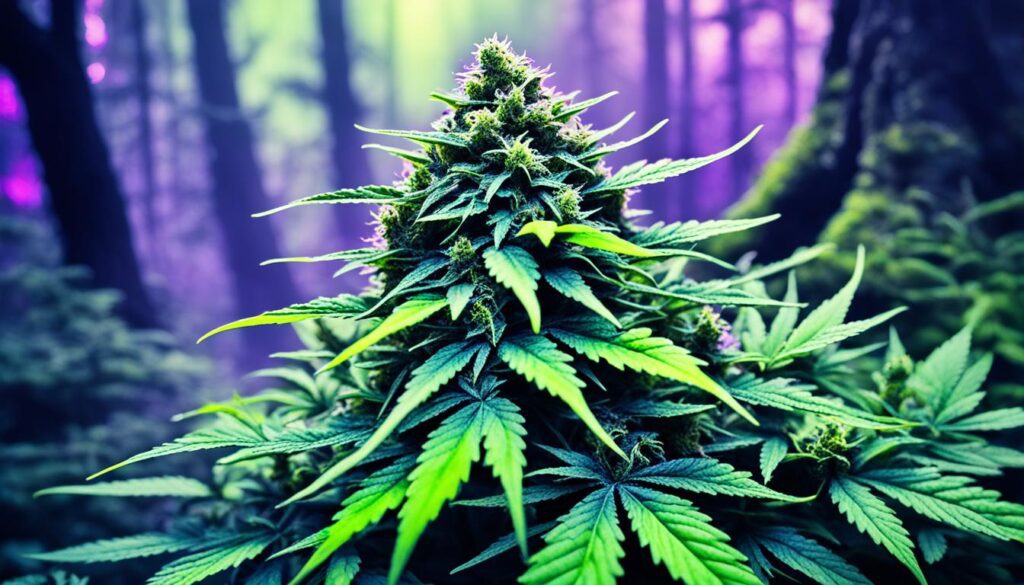
Yongkang (永康) is a bustling district of Tainan City, Taiwan, known for its residential neighborhoods, industrial zones, and proximity to major urban centers. Just like other parts of Taiwan, cannabis — commonly referred to as weed in everyday language — exists under one of the strictest legal regimes in East Asia. Despite global shifts in cannabis policy in other parts of the world, Taiwan’s law remains prohibitive.
Understanding cannabis in Yongkang requires examining the national legal framework, how enforcement works locally, cultural attitudes, underground dynamics, medical policy, public opinion, and the risks involved in interacting with cannabis. Throughout this article, we’ll also include authoritative outbound links for broader context on cannabis legalization and specifics about cannabis legality where relevant.
👉 For a comprehensive global overview of cannabis legalization and regulatory models, see MarijuanaIndex’s global cannabis legalization guide, which helps contextualize how Taiwan’s strict stance contrasts with evolving policy elsewhere: https://marijuanaindex.com/articles/cannabis-legalization-around-the-world/
⚖️ H3: Legal Status of Cannabis in Taiwan (Including Yongkang)
Cannabis is illegal for recreational use throughout Taiwan, including Yongkang. Under the Narcotics Hazard Prevention Act, cannabis and its psychoactive constituents (like THC) are classified as Category II narcotics — on a level with drugs that Taiwanese legislators consider harmful and addictive.
Under this regime:
- Possession, use, and transport of cannabis are criminal offenses.
- Cultivation, manufacturing, and distribution are treated as serious narcotics crimes.
- There is no legal recreational market and no broad legal medical cannabis program.
- Authorities do not distinguish de minimis (tiny) amounts as “legal for personal use” — even small amounts can trigger criminal liability.
This means that the legal consequences in Yongkang are the same as those elsewhere in Taiwan — strict statutory enforcement consistent with national policy.
📜 H3: Taiwan’s Narcotics Hazard Prevention Act — Core Provisions/weed in Yongkang
Classification and Legal Treatment
Under Taiwan’s narcotics law:
- Cannabis is classified as a Category II narcotic. This includes plant material and most cannabis preparations containing psychoactive THC. The law regards these substances as dangerous and not fit for legal recreational use. This is very different from many North American or European jurisdictions with regulated adult‑use markets.
- Even possession of small amounts can trigger criminal investigation, possible detention, fines, and incarceration, especially if there is any indication of intent to distribute or share.
Penalties for Possession
Possession offenses are criminal matters. Typical penalties include:
- Imprisonment: Possession of cannabis can result in several months to up to three years in prison for smaller amounts.
- Fines: Significant fines (often in the tens of thousands of New Taiwan Dollars) can accompany or substitute for custodial sentences.
- Probation and Rehabilitation: Courts may order drug treatment and education programs as part of sentencing.
Trafficking, Sale, and Distribution
The law treats trafficking and distribution far more severely than simple possession:
- Individuals charged with selling or distributing cannabis — even on small scales — may face 10 to 20 years in prison, life sentences in extreme cases, and very large fines.
- Organized or commercial trafficking cases attract the harshest statutory penalties under Taiwanese narcotics provisions.
Cultivation
Growing cannabis plants without authorization is illegal:
- Anyone caught cultivating marijuana — even a few plants — may be charged with an offense that can lead to multi‑year prison terms.
- There are no legal exemptions for personal gardening or cultivation in Taiwan.
These provisions apply equally in Yongkang, Tainan City, as in Taipei or any other jurisdiction in Taiwan.
🧠 H3: Enforcement in Yongkang
Law Enforcement Structure
In Yongkang, drug enforcement operates under the Tainan City Police Department (刑事警察局毒品犯罪偵防中心) in cooperation with the national Ministry of Justice and Prosecutors’ Office. When officers suspect narcotics activity — whether possession, sale, or distribution — they may/weed in Yongkang:
- Stop and search individuals under legal suspicion
- Collect evidence including seized plant material
- Arrest and detain suspects
- Forward cases to prosecutors for criminal charges
Even small amounts of cannabis can prompt formal police investigations. There is no local policy in Yongkang or Tainan that treats cannabis as decriminalized.
Local Judicial Context
Taiwan’s courts typically adjudicate cannabis offenses under nationwide legal standards. Judges consider quantity, intent, prior record, and other circumstances when determining penalties within statutory ranges/weed in Yongkang.
Importantly:
- First‑time minor offenders might avoid long prison terms but still face criminal records, fines, and mandatory drug education.
- Repeat offenders or distribution cases commonly result in harsher penalties.
🌍 H3: Cannabis Use and Culture in Yongkang
Cannabis culture in Yongkang (and more broadly in Taiwan) is generally underground, discreet, and not publicly visible:
- Public consumption is rare due to strict legal consequences and social stigma.
- Cannabis is often sourced through informal personal networks rather than storefronts or public markets.
- Many users in Taiwan — including in Yongkang — emphasize privacy and caution due to the real risk of legal repercussions.
Some youth, students, and nightlife communities might experiment with cannabis, but most do so privately and with awareness that law enforcement crackdowns can be severe/weed in Yongkang.
Because there is no legal recreational infrastructure (no dispensaries, lounges, or regulated sales outlets), cannabis activity exists entirely outside formal channels, reinforcing a hidden and cautious subculture.
🩺 H3: Medical Cannabis Policy in Taiwan
Taiwan does not have a broad medical cannabis program comparable to those in Canada or many U.S. states. However, restricted medical access exists/weed in Yongkang:
- A few cannabis‑derived pharmaceutical products — such as Epidiolex (for certain forms of epilepsy) or Sativex and similar cannabinoid medicines — may be permitted under strict prescription and regulatory oversight/weed in Yongkang.
- These medicines typically contain very low THC and must be prescribed by a licensed physician, often reviewed by the Taiwan Food and Drug Administration (TFDA) or Ministry of Health and Welfare.
- Whole‑plant cannabis products are not available legally for medical use.
This medical access is narrow and applies to only a small number of approved indications. It does not provide a legal pathway for widespread medical marijuana use in Yongkang or elsewhere.
📈 H3: Public Debate and Reform Movements in Taiwan
Even though cannabis remains illegal, there has been increasing public discussion about reform:
👉 For context on global cannabis policy movements — including legalization, decriminalization, and harm‑reduction models — see Leafly’s guide to cannabis legality by country, which provides detailed, sourced information about where and how cannabis laws vary: https://www.leafly.com/news/politics/is-weed-legal-in-each-us-state (Note: This Leafly article focuses on U.S. law but sits within a broader authoritative cannabis policy wiki that includes international summaries.)
In Taiwan:
- Civil society groups have organized small protests and online campaigns calling for decriminalization of cannabis and greater public dialogue.
- Some medical and legal scholars have argued for distinguishing cannabis from harder narcotics and adopting a health‑focused approach rather than strict punishment for all use.
- Politicians from smaller parties have occasionally advocated for pilot programs or evidence‑based policy reviews.
However, as of 2025, no major cannabis legalization or decriminalization reform has been passed. Government agencies, including the Ministry of Justice and Ministry of Health and Welfare, continue to assert that cannabis remains a dangerous narcotic and maintain a strict enforcement stance.
💬 H3: Risks and Consequences of Cannabis Activity
Legal Risks
Because cannabis is illegal in Yongkang:
- Possession can lead to arrest, fines, and imprisonment.
- Distribution or trafficking can result in lengthy prison terms, large fines, and long‑term criminal records.
- Cultivation is treated as supply‑related and penalized accordingly.
Even small amounts can result in day‑fines (proportional to income) and a court record, which may affect future employment, travel visas, or professional licensing. A criminal cannabis conviction can influence background checks and public trust.
Social and Personal Risks
Cannabis use remains socially stigmatized in many communities in Taiwan. This can lead to:
- Loss of reputation
- Strained family relationships
- Workplace consequences
Because there is no legal market, the entire supply chain operates clandestinely, exposing users to unregulated products that may be adulterated, contaminated, or of unknown potency.
🧠 H3: Health and Safety Considerations
Cannabis — like any psychoactive substance — carries potential health risks, especially when used without regulation:
- Impaired cognition and coordination, affecting driving or work performance.
- Mental health concerns in susceptible individuals, including anxiety or dependency.
- Unknown contaminants in unregulated products.
Even where discussions exist about harm‑reduction approaches globally, Taiwan’s public health messaging often emphasizes perceived risks and discourages use.
❓ H3: Frequently Asked Questions (FAQs)
Q1: Is cannabis legal in Yongkang?
A: No. Cannabis is illegal in Yongkang and all of Taiwan. Possession, use, sale, cultivation, and distribution are criminal offenses under the Narcotics Hazard Prevention Act.
Q2: Can I get fined or imprisoned for small amounts?
A: Yes. Even small quantities can lead to fines, mandatory drug education, rehabilitation, or imprisonment depending on the circumstances.
Q3: Is there any legal medical cannabis program?
A: Taiwan permits only a very limited pharmaceutical cannabis program (e.g., low‑THC cannabinoids approved for specific health conditions), which requires official prescription and regulatory approval.
Q4: Are there any movements toward legalization?
A: Yes, there is increasing public debate and some advocacy for reform, but no major legalization or decriminalization legislation has been passed.
Q5: Are CBD products legal?
A: CBD legality in Taiwan is narrow: products must meet strict pharmaceutical criteria and be approved. Unregulated CBD with significant THC is treated as illegal.
📚 H3: References
- Cannabis Global Legalization Overview — MarijuanaIndex guide to cannabis legalization around the world, providing context on how different jurisdictions regulate marijuana. (https://marijuanaindex.com/articles/cannabis-legalization-around-the-world/)
- Is Weed Legal in Each US State — Leafly’s authoritative guide to cannabis legality (cited here for policy framework context). (https://www.leafly.com/news/politics/is-weed-legal-in-each-us-state)
- Taiwan Government Opposes Cannabis Decriminalization — Taipei Times reporting on policy, penalties, and public debate in Taiwan. (e.g., articles on cannabis enforcement and debates; see https://www.taipeitimes.com)
- Cannabis in Taiwan — THC Travel Guide summary of legal status and enforcement in Taiwan’s major cities. (https://thctravelguide.com/cannabis-in-taipei)
🧩 H3: Conclusion — Cannabis in Yongkang Today
In Yongkang and across Taiwan, cannabis remains firmly illegal with strict legal consequences for possession, use, cultivation, sale, and distribution. Taiwan’s Narcotics Hazard Prevention Act classifies cannabis as a Category II narcotic, meaning all forms of recreational cannabis are prohibited and subject to criminal penalties. Even small amounts can lead to fines or incarceration, and supply‑related offences attract severe prison terms.
Although there is some public discussion and advocacy for reform — including limited civil society efforts and political debate — as of 2025, no major legislative change toward legalization or broad decriminalization has occurred. Medical access to cannabis is narrow, with only specific cannabinoid pharmaceuticals permitted under strict regulatory conditions.
For residents, commuters, workers, students, and visitors in Yongkang, understanding the strict legal framework and avoiding involvement with cannabis outside regulated medical pathways is essential. The legal, social, and personal risks outweigh any informal underground appeal of cannabis use in this part of Taiwan.
When it comes to marijuana products, ScentHub offers an extensive selection of some of the highest quality items I’ve come across. I’ve tried a variety of strains, edibles, and concentrates, and the quality has consistently been outstanding. The flowers are always fresh, fragrant, and potent. I’ve had the chance to try both Sativa and Indica strains, and the effects have been exactly as described. Contact them on email: Scenthub43@gmail.com and also there Telegram : t.me/Scenthub43
Wow they have an option for me. The variety in their selection means that no matter my experience level, I’ll find a product that fits my needs. highly recommended .
I can say without hesitation that ScentHub has earned my loyalty. From the quality of the products to the exceptional customer service.

I’ve had a number of experiences where edible products don’t quite deliver the promised effects or leave an unpleasant aftertaste, but that’s not the case with ScentHub. The gummies, chocolates, and drinks I’ve tried have all been potent, flavorful, and consistently effective. The packaging is also informative, making it easy to understand the dosage and what to expect from each edible, Thank you !!!
They also don’t pressure you into buying anything you’re not ready for, which is a huge relief. It feels more like a conversation with a trusted friend rather than a hard sell. highly recommended!!
