
Weed in Hengchun: what travelers should know before they risk their trip
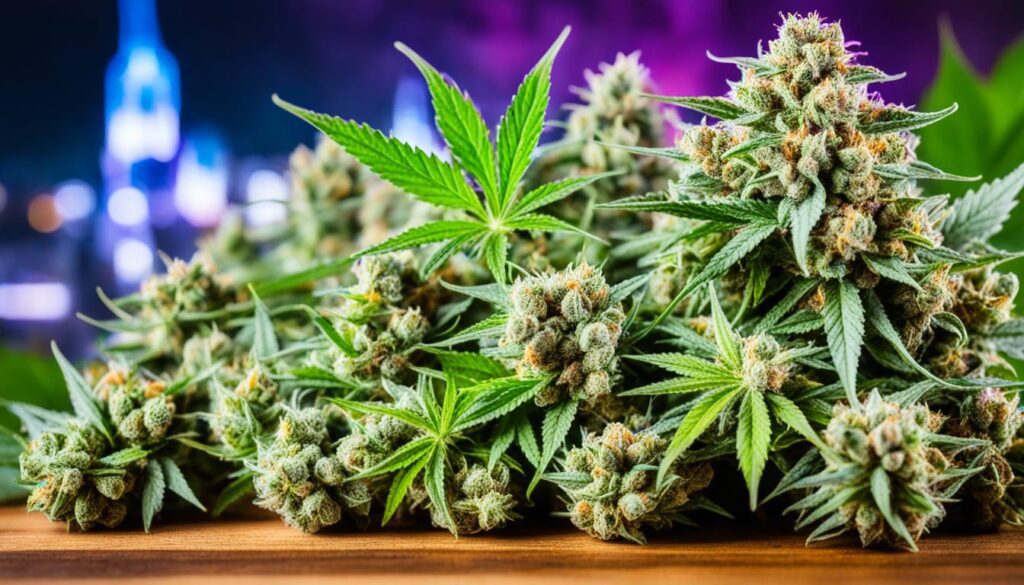
Hengchun, the historic town at the heart of Taiwan’s Hengchun Peninsula, is a relaxed base for exploring Kenting National Park—beaches, reefs, warm evenings, and a pace that feels worlds away from Taipei. Because it’s a popular holiday zone, some visitors assume cannabis is treated casually here. It isn’t. Taiwan’s national drug laws apply in Hengchun exactly as they do elsewhere, and official messaging has repeatedly emphasized that cannabis remains illegal and is treated as a Category II narcotic under Taiwan’s legal framework. (Ministry of Finance, Taiwan)
This guide is not a “where to buy” post—trying to source cannabis in Hengchun (or anywhere in Taiwan) can put you at serious legal risk. Instead, this is a practical travel-and-law overview: what the rules look like in broad terms, why the risk profile is higher than many tourists expect, how CBD confusion can get visitors into trouble, and what legal alternatives can still give you that “vacation reset” feeling without gambling your freedom.
Hengchun and Kenting: why the setting matters
Hengchun is best understood as the gateway town for Kenting National Park, Taiwan’s southern, tropical national park that anchors the peninsula’s tourism scene. Official tourism materials highlight Kenting’s unique blend of land and marine environments and its status as a national park established in the early 1980s. (Taiwan Tourism Board)
That matters because beach destinations shape visitor behavior: nightlife, social hostels, scooters, and a sense that “everyone’s here to have fun.” In some countries, those conditions correlate with tolerance toward recreational drugs. In Taiwan, the scenery may be tropical, but the legal environment is not relaxed.
Is weed legal in Hengchun? the clear answer
No—cannabis is illegal in Hengchun, in Kenting, and across Taiwan. Taiwan’s government communications have been explicit about this, including customs notices telling the public not to import cannabis or related products and stating that cannabis remains illegal and is classified as a Category II narcotic. (Ministry of Finance, Taiwan)
For travelers, the key point isn’t just “illegal,” but high consequence. Even small decisions (carrying, sharing, buying, importing) can cascade into detention, court, deportation consequences, bans from re-entry, and life-changing expenses.
What “Category II narcotic” implies in practice
Taiwan’s Narcotics Hazard Prevention Act divides narcotics into four categories, and cannabis is treated within this categorization framework. (Moj Law)
You don’t need to memorize statute language to travel safely. What you do need is the reality that Taiwan’s system is designed to discourage possession, use, distribution, and importation through serious criminal penalties. Government and related public-facing sources discussing enforcement often underline that cannabis is handled as a major controlled substance, not a minor infraction. (Ministry of Finance, Taiwan)
Importation is one of the fastest ways tourists get into serious trouble
For many visitors, the biggest risk isn’t trying to find cannabis locally—it’s bringing something into Taiwan without thinking. Customs and related agencies have issued repeated warnings not to carry or mail cannabis and related products. (Ministry of Finance, Taiwan)
If you’re coming from a legal market, it’s easy to forget how many products “count” as cannabis-related: vape carts, gummies, chocolates, tinctures, topical balms, pre-rolls, “weed pens,” and even some items labeled as CBD.
Customs communications have also discussed rising interceptions of marijuana and derivatives in recent years, reinforcing that authorities are paying attention. (Ministry of Finance, Taiwan)
CBD in Taiwan: why “it’s not THC” can still go wrong
CBD is where many travelers misjudge the risk. A USDA Foreign Agricultural Service report focused on Taiwan’s hemp situation states that, in practice, Taiwan has no rule or law allowing the sale of CBD-related products, cosmetics, or drugs domestically—while also noting practical enforcement considerations and THC thresholds referenced in the report. (Foreign Agricultural Service)
The travel takeaway: do not assume CBD products are safe to bring, especially if you can’t prove composition, if THC content is non-zero, or if labeling/testing is questionable. Even when a product is legal where you bought it, you may not have documentation that satisfies a skeptical inspection or a legal process.
Also, “CBD” products vary widely in quality. Some contain detectable THC despite marketing claims. In a strict jurisdiction, that uncertainty is the opposite of what you want.
Why Hengchun/Kenting can feel “easy” but be legally unforgiving
Beach towns create a false sense of anonymity. Hengchun is smaller than major cities, and tourists often stand out more—not less. Add scooter rentals, roadside interactions, nightlife crowds, and frequent movement between beaches and town, and you have more opportunities for the kinds of interactions where contraband becomes visible.
And unlike some destinations where enforcement is rare, Taiwan’s official communications highlight active interdiction and a continuing “do not import” message. (Ministry of Finance, Taiwan)
Common myths travelers believe (and why they’re dangerous)
Myth 1: “It’s just a tiny amount—worst case is a fine.”
In Taiwan, cannabis is not treated as a casual misdemeanor. Public sources discussing Taiwan’s approach repeatedly frame marijuana as a serious illegal drug. (OCAC)
Myth 2: “If it’s legal in my country/state, it’s fine in my luggage.”
Customs notices specifically urge people not to import cannabis and related products. (Ministry of Finance, Taiwan)
Myth 3: “CBD is always safe.”
Taiwan’s domestic CBD pathway is described as highly limited/uncertain in the USDA report, and the report highlights practical complications that can arise/weed in Hengchun. (Foreign Agricultural Service)
Myth 4: “Kenting is a party place—police look the other way.”
Tourist energy does not equal legal tolerance. Treat Hengchun like any other strict jurisdiction: if you wouldn’t risk it in a conservative capital city, don’t risk it here.
What to do instead: legal ways to get the same “vacation effect”
Many travelers reach for cannabis to achieve a specific outcome: deeper relaxation, sensory enhancement, easier socializing, better sleep, reduced stress, or a “reset” feeling. The good news is that Hengchun and Kenting are naturally good at delivering those outcomes legally.
Ocean-based reset
Snorkeling, diving, paddleboarding, and simply floating in warm water can replicate the “nervous system downshift” many people chase. Kenting’s park identity is tightly tied to its coastal environments/weed in Hengchun. (Taiwan Tourism Board)
Sun rhythm
Early sunrise walks and late afternoon sunsets create a natural circadian anchor—especially if you’re jet-lagged.
Night-market slow joy
Hengchun/Kenting’s evening food scene is perfect for “wander and sample” nights: fruit, grilled snacks, tea drinks, and desserts.
Bodywork
Massage, stretching, and heat therapy (depending on your lodging facilities) can be surprisingly effective if your goal is to relax muscles and sleep better.
Hiking + viewpoints
Light hikes to capes and scenic points give you a safe dopamine hit, and the park’s terrain diversity makes even short outings feel like a real experience/weed in Hengchun. (Taiwan Tourism Board)
A “low-risk, high-reward” Hengchun itinerary (no weed needed)
If your idea of a perfect high is “feel good and remember it,” here’s a structure that works especially well on the peninsula:
1: settle your nervous system
- Check in, hydrate, and do a slow town walk.
- Early dinner, then a low-key night market loop.
- Aim for sleep—southern Taiwan heat can sneak up on you.
2: water day
- Morning beach time when crowds are lighter.
- Snorkel/dive if conditions are good.
- Sunset viewpoint + relaxed food.
Day 3: park + culture day
- Pick a scenic spot inside Kenting National Park, then balance it with a café/rest period.
- Evening: photos, food, and a “no rush” pace.
This kind of schedule tends to deliver what many people think cannabis will add—without the legal roulette.
Personal safety and “don’t get dragged into it” rules
Even if you never intend to use cannabis, you can still reduce risk by avoiding situations that create accidental association.
Don’t carry anything for strangers
If someone asks you to hold a bag, carry a package, or “just keep this for a second,” decline.
Be careful with shared vapes/edibles
In hostel or party settings, people sometimes pass around products without clarity on contents. In a strict jurisdiction, ambiguity is danger.
Avoid digital trails
Messaging locals or posting online asking about weed is risky and also unfair—it puts other people in a bad position.
If you’re stopped
Stay calm, respectful, and don’t escalate. If things become serious, consular contact channels exist, but your best strategy is never being in the situation.
FAQs
Is weed legal in Hengchun or Kenting National Park?
No. Taiwan’s public communications state that cannabis remains illegal in Taiwan and is classified as a Category II narcotic. (Ministry of Finance, Taiwan)
Are penalties really harsh, or is it mostly warnings for tourists?
Taiwan’s stance is consistently framed as strict, and public-facing sources discussing enforcement emphasize serious consequences for narcotics offenses. (OCAC)
Can I bring edibles or a THC vape cartridge into Taiwan if it’s for personal use?
That is extremely risky. Customs has explicitly urged the public not to import cannabis and related products and emphasizes ongoing interdiction. (Ministry of Finance, Taiwan)
What about CBD oil, CBD gummies, or CBD cosmetics?
Do not assume they’re safe. A USDA FAS report on Taiwan’s hemp context notes there is no rule or law allowing the sale of CBD-related products domestically and describes practical nuances and THC threshold considerations. (Foreign Agricultural Service)
Is Hengchun “more relaxed” than Taipei because it’s a beach destination?
The vibe is more relaxed, but the law isn’t. Tourist zones can actually increase your exposure risk because visitors stand out and policing around crowded areas is common.
If I’m caught with a small amount, can I just pay a fine and leave?
Relying on that assumption is dangerous. Taiwan’s public messaging does not frame cannabis as a minor infraction; it’s treated as a serious controlled substance. (Ministry of Finance, Taiwan)
Are there legal alternatives in Hengchun that give a similar “chill” feeling?
Yes—water activities, long beach walks, massage/bodywork, café culture, and night-market wandering are the safest ways to reach that relaxed, sensory vacation state.
Will I get in trouble just for asking around?
Asking strangers increases scam risk and can create digital/behavioral trails. Even if nothing happens legally, it can derail your trip socially and financially.
References
- Taiwan Ministry of Finance (Customs Administration / press items): notes that cannabis remains illegal in Taiwan, classified as a Category II narcotic, and includes enforcement/interception statistics. (Ministry of Finance, Taiwan)
- Ministry of Justice, Laws & Regulations Database: Narcotics Hazard Prevention Act overview and categorization framework. (Moj Law)
- USDA Foreign Agricultural Service (Taiwan: Hemp; report and PDF): discusses Taiwan’s lack of a domestic rule/law allowing CBD-related products and practical enforcement considerations. (Foreign Agricultural Service)
- Taiwan tourism reference for Kenting National Park: identifies Kenting National Park as the centerpiece of the Hengchun Peninsula and provides park background. (Taiwan Tourism Board)
- OCAC (Overseas Community Affairs Council) news summary describing cannabis as Category II and referencing penalties (secondary public info source). (OCAC)
Outbound links (authoritative marijuana websites — just 3)
Conclusion
Hengchun is one of Taiwan’s best “slow travel” bases—especially because it sits beside Kenting National Park, where beaches, reefs, and warm tropical evenings do most of the work for you. (Taiwan Tourism Board) But cannabis is not a casual add-on here. Taiwan’s own customs messaging emphasizes that marijuana remains illegal and is treated as a Category II narcotic, with active enforcement and repeated warnings against importing cannabis and related products. (Ministry of Finance, Taiwan)
If your goal is a smooth trip you actually enjoy and remember, the best move in Hengchun is to skip weed entirely and lean into what the peninsula already delivers legally: ocean time, night markets, hikes, bodywork, and the naturally mellow south-coast rhythm.
When it comes to marijuana products, ScentHub offers an extensive selection of some of the highest quality items I’ve come across. I’ve tried a variety of strains, edibles, and concentrates, and the quality has consistently been outstanding. The flowers are always fresh, fragrant, and potent. I’ve had the chance to try both Sativa and Indica strains, and the effects have been exactly as described. Contact them on email: Scenthub43@gmail.com and also there Telegram : t.me/Scenthub43
Wow they have an option for me. The variety in their selection means that no matter my experience level, I’ll find a product that fits my needs. highly recommended .
I can say without hesitation that ScentHub has earned my loyalty. From the quality of the products to the exceptional customer service.

I’ve had a number of experiences where edible products don’t quite deliver the promised effects or leave an unpleasant aftertaste, but that’s not the case with ScentHub. The gummies, chocolates, and drinks I’ve tried have all been potent, flavorful, and consistently effective. The packaging is also informative, making it easy to understand the dosage and what to expect from each edible, Thank you !!!
They also don’t pressure you into buying anything you’re not ready for, which is a huge relief. It feels more like a conversation with a trusted friend rather than a hard sell. highly recommended!!