
Weed in Kampot (Cambodia): Legal Realities, Culture, Risks, and Traveler Guidance
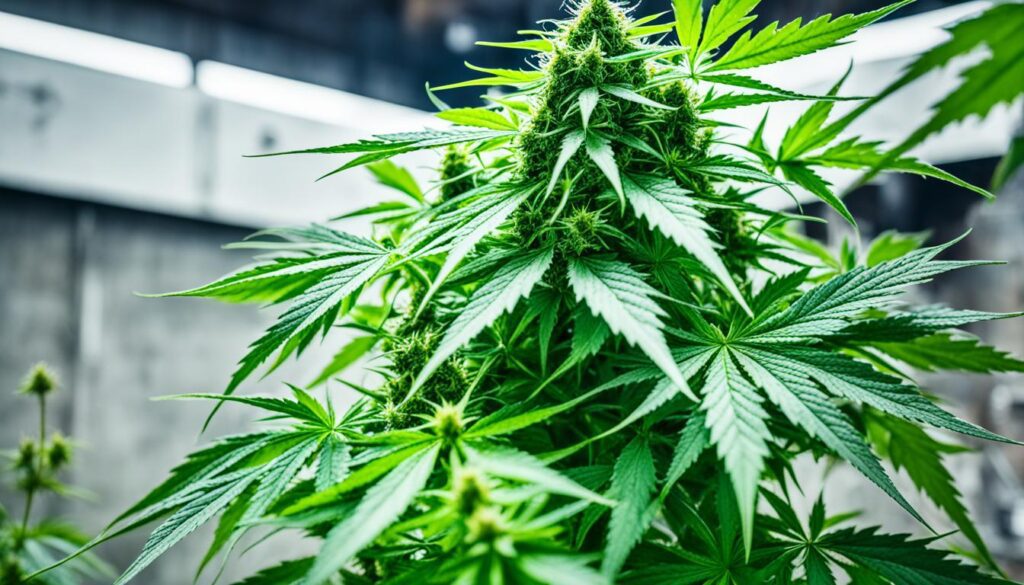
Kampot is a coastal province in southern Cambodia known worldwide for its renowned pepper, scenic river town, classic French colonial architecture, and appeal as a relaxed backpacker and expat destination. For many visitors, curiosity about cannabis arises naturally in Kampot’s laid-back travel scene—but the legal and practical reality is more complex than it first appears. This comprehensive guide explores cannabis (weed) in Kampot from every major angle: law, enforcement, culture, availability, risks, traveler advice, FAQs, references, and a conclusion that frames the topic for safe and informed travel.
Cannabis and the Law in Cambodia: Illegal but Unevenly Enforced
In Cambodia, cannabis is illegal under the national Law on Drug Control. The strict framework prohibits cultivation, possession, transport, sale, and use of cannabis without special licensing. These prohibitions apply to cannabinoids, including both THC and CBD products connected to the cannabis plant. Penalties for cannabis offences can include fines and imprisonment, with severity depending on the scale of the offence. (420.place)
Officially, there is no legal recreational or medical cannabis program in Cambodia, and foreign prescriptions are not recognized under Cambodian law. Penalties for small-scale possession may include imprisonment of up to 1–2 years and fines, while larger quantities or trafficking offences carry significantly harsher punishments. Foreigners caught with cannabis face the same legal exposure as locals, meaning possible arrest, detention, fines, or even deportation. (Zennjet)
Despite this, enforcement tends to be uneven and opportunistic, especially in tourist-heavy areas. In some hotspots, authorities may overlook small-scale use or focus enforcement on hard drugs rather than cannabis. But reliance on informal tolerance is unpredictable and potentially dangerous for travelers. (Wikipedia)
Legal takeaway: Recreational cannabis remains illegal in Kampot and all of Cambodia with serious consequences possible if you’re caught. The presence of informal tolerance does not equate to legality.
How Cannabis Culture Appears in Kampot
While cannabis remains illegal, its presence in Kampot and popular tourist spots is still noticeable. Travelers have long reported seeing the substance offered discreetly through informal channels—whether by tuk-tuk drivers, hostel staff, or expatriate networks catering to backpackers. (THC Travel Guide)
A key aspect of Cambodia’s contemporary cannabis culture is the infamous “happy pizza” or similar infused foods. These dishes combine cannabis with local cuisine and are known among travelers in Phnom Penh, Siem Reap, Kampot, and Sihanoukville. Though widely publicized among tourists, these offerings do not reflect legal status and are informal at best. (Wikipedia)
Locals in Kampot may also show quiet curiosity about cannabis, but there remains a social stigma attached, particularly outside nightlife or international tourist circles. Many residents prefer to avoid open discussion of cannabis due to legal risks and cultural norms. (ziklane.com)
In essence, cannabis exists in a gray cultural sphere: visible and sometimes socially tolerated among certain tourism groups, but officially prohibited and risky to interact with.
Availability of Cannabis in Kampot
Despite the illegality, cannabis is often accessible through informal networks that serve backpackers, expats, and adventurous tourists. Reports from travelers and local guides suggest/weed in Kampot:
- Backpacker hostels and bars may have connections to small amounts of cannabis.
- Tuk-tuk drivers and street contacts sometimes offer cannabis or know where it can be obtained.
- Cannabis-infused foods are occasionally available at restaurants and cafes frequented by tourists. (THC Travel Guide)
However, because this access is unregulated and informal, product quality, potency, and safety are inconsistent. Locally sourced cannabis may vary significantly in effects and quality, and imported products (if present) carry higher risk due to transportation and legal exposure. (THC Travel Guide)
Travelers should understand that availability does not mean legality, and seeking out these informal supply channels heightens legal and social risk.
Health and Safety Considerations
Cannabis products in informal markets often lack standardized testing or labeling, which can lead to unpredictable effects. Inconsistent potency, contaminants, or mixing with other substances are common issues in unregulated settings. (THC Travel Guide)
Cannabis-infused foods—like pizzas or shakes—are another source of risk because edible cannabis is metabolized more slowly and can produce a stronger, longer-lasting effect than smoking. Overconsumption of edibles can be distressing and overwhelming, especially for individuals not familiar with their potency. (THC Travel Guide)
Combining cannabis with alcohol or unfamiliar medications can also increase the likelihood of adverse reactions. As with any substance, personal tolerance varies widely and should be considered carefully.
Risk Factors for Tourists
For travelers in Kampot, key risk factors related to cannabis include/weed in Kampot:
- Legal Consequences: Possession or use can lead to fines, imprisonment, deportation, and potentially being blacklisted from future travel to Cambodia. (Zennjet)
- Unpredictable Enforcement: While some individuals may experience lax treatment, enforcement is inconsistent and can escalate without warning. (Wikipedia)
- Safety and Health Risks: Unregulated cannabis products offer no assurances on potency or purity. (THC Travel Guide)
- Social and Cultural Issues: Local perceptions vary and public consumption may lead to social friction or complaints. (ziklane.com)
The bottom line: even casual sharing among travelers can attract unwanted attention or legal trouble.
Travel and Cannabis: Practical Advice
If you’re visiting Kampot and considering cannabis, here’s a responsible travel perspective:
- Do not carry cannabis products into Cambodia. Border security enforces strict drug laws and any amount can be considered a serious offence. (Flavor365)
- Avoid buying or using cannabis, even informally. The legal risk outweighs potential enjoyment.
- Be aware of your surroundings and avoid public consumption. Enforcement may be more visible in non-tourist areas.
- Understand that informal tolerance is not legal protection. Relying on apparent lax enforcement can be dangerous.
For travelers who use cannabis medically, it’s crucial to consult your healthcare provider and the relevant diplomatic resources before traveling, as Cambodia does not recognize foreign medical prescriptions for cannabis. (Zennjet)
Outbound Links (Just 3) From Authoritative Marijuana Websites
Here are three reputable cannabis education resources for broader learning on cannabis policy, health, and responsible use (not specific to Cambodia law):
- NORML – Principles of Responsible Cannabis Use — https://norml.org/principles/?utm_source=chatgpt.com
- Project CBD – CBD for Beginners (User’s Guide) — https://projectcbd.org/safety/cbd-for-beginners/?utm_source=chatgpt.com
- Marijuana Policy Project (MPP) — https://www.mpp.org/?utm_source=chatgpt.com
These can help you understand cannabis in a global context, including differences in legality, health effects, and policy debates.
FAQs: Weed in Kampot (Cambodia)
Is weed legal in Kampot?
No. Cannabis is illegal throughout Cambodia under the Law on Drug Control, and this includes Kampot. Possessing, using, selling, cultivating, or transporting cannabis is prohibited by law. (420.place)
Can tourists find cannabis easily in Kampot?
Cannabis can sometimes be found through informal channels in bars, hostels, or local contacts, especially near tourist areas. But availability does not mean it’s legal, and purchasing it carries real risk. (THC Travel Guide)
What are the penalties for cannabis offences?
Penalties can include fines, imprisonment, and deportation. Small amounts may result in shorter jail time or fines, while larger quantities or trafficking charges bring much harsher penalties. (Zennjet)
Are “happy pizzas” legal in Kampot?
Happy pizzas or cannabis-infused foods may be sold in some tourist spots, but these offerings are informal and illegal. Their existence doesn’t reflect legality, and consuming them still carries legal risk. (Wikipedia)
Can I bring CBD products into Cambodia?
Even CBD products can be risky because Cambodian law broadly classifies cannabis and its derivatives as illegal. It’s safest to leave all cannabis-derived products at home. (Flavor365)
Will police ignore tourists?
Enforcement can vary from place to place, but you shouldn’t rely on leniency. Police and border officials can act unpredictably, and penalties can be severe. (Wikipedia)
Should I use cannabis if living in Kampot long-term?
Long-term residents should also respect local laws. While enforcement may sometimes appear lax, engaging in illegal activity can jeopardize visas, residency status, or travel plans.
References
- Cannabis Laws in Cambodia: Illegal under Law on Drug Control; fines and imprisonment possible. (420.place)
- Recreational and medicinal cannabis remains illegal; enforcement sometimes lax in tourist hotspots. (Wikipedia)
- Traveler risk and legal consequences including reduced sentences for small amounts up to severe penalties for larger quantities. (Zennjet)
- Informal cannabis availability and cultural context in tourist areas like Kampot. (THC Travel Guide)
- Social and health context of cannabis in Kampot and Cambodia. (ziklane.com)
Conclusion
Kampot is one of Cambodia’s most appealing destinations for travelers seeking riverside charm, French colonial vibes, pepper farms, and a slow pace of life. But when it comes to weed, the legal story is stark: cannabis remains illegal under Cambodian law with penalties that can be serious for both locals and foreigners. (420.place)
While cannabis may be culturally visible and informally tolerated in some tourist circles, this does not translate into legal protection or safety. Relying on informal practices or local tolerance exposes travelers to legal and personal risk. In a place as welcoming and scenic as Kampot, the best path to a smooth, enjoyable trip is to respect the law and avoid engaging with cannabis in any form.
If cannabis is part of your lifestyle, plan accordingly and prioritize your safety—focus on the rich culture, food, nature, and experiences Kampot has to offer without unnecessarily risking your travel plans, freedom, or legal standing.
When it comes to marijuana products, ScentHub offers an extensive selection of some of the highest quality items I’ve come across. I’ve tried a variety of strains, edibles, and concentrates, and the quality has consistently been outstanding. The flowers are always fresh, fragrant, and potent. I’ve had the chance to try both Sativa and Indica strains, and the effects have been exactly as described. Contact them on email: Scenthub43@gmail.com and also there Telegram : t.me/Scenthub43
Wow they have an option for me. The variety in their selection means that no matter my experience level, I’ll find a product that fits my needs. highly recommended .

I can say without hesitation that ScentHub has earned my loyalty. From the quality of the products to the exceptional customer service.
“I was struggling with insomnia, and they found the perfect edible for me, Thank you”
Mine helped my dad find a tincture for his arthritis, highly recommended.
You’ve helped me smile again.