
Weed in Indore: what travelers and locals should know before they take risks
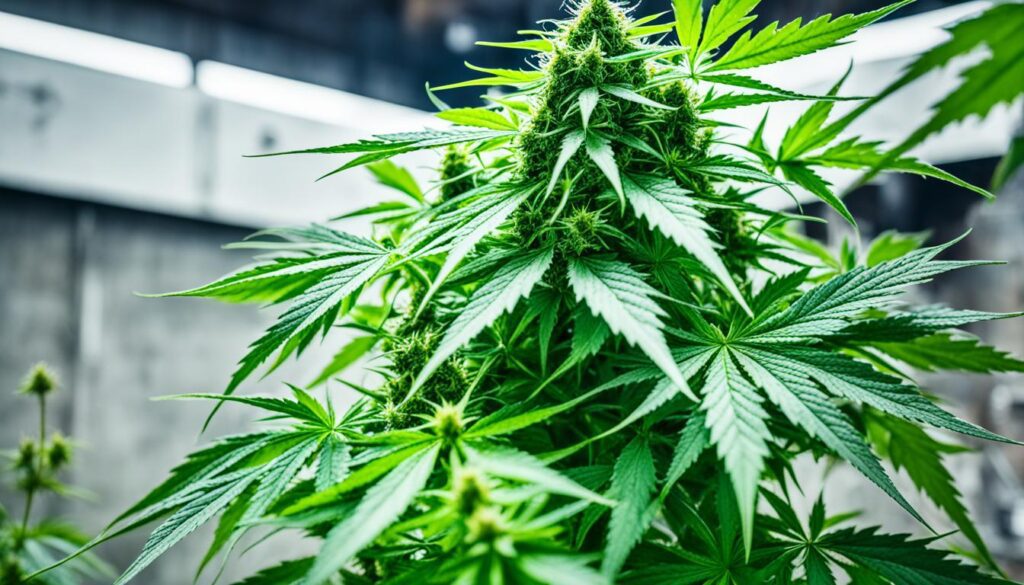
Indore is Madhya Pradesh’s biggest city and one of central India’s most energetic urban hubs—famous for food streets, universities, busy markets, and a fast-growing business vibe. That “big city” feeling sometimes leads people (especially visitors) to assume cannabis is quietly tolerated. The reality is simpler: ganja (flowering/fruiting tops) and charas (resin/hash) are illegal in India under the Narcotic Drugs and Psychotropic Substances Act, 1985 (NDPS Act), and enforcement can involve arrest, prosecution, and penalties that scale with quantity. (India Code)
At the same time, India has a unique cultural wrinkle that confuses people: bhang (generally preparations from cannabis leaves, and sometimes seeds) has historically been treated differently, and the NDPS Act’s definition of “cannabis (hemp)” is commonly explained as excluding leaves/seeds when not accompanied by the tops—leaving bhang regulation largely to states. (PMC)
This article is not a “where to buy” guide and won’t help with sourcing. Instead, it’s a practical, travel-safe overview: how the law is structured, what “bhang vs ganja” means in real life, why Indore’s risk profile can be higher than people think, and how to enjoy the city without turning a trip (or a semester) into a legal disaster.
Indore’s vibe: why people even ask about weed here
Indore is youthful, social, and constantly moving. Students arrive from across India, nightlife has grown, and there’s a strong café/food culture. In that environment, cannabis talk spreads easily—especially online.
But big-city energy doesn’t create legal tolerance. India’s cannabis laws are national (NDPS Act), and local enforcement can be strict—particularly around distribution networks and public consumption/weed in Indore. (India Code)
Quick legal snapshot: is weed legal in Indore?
No—recreational marijuana is not legal in Indore. Under the NDPS Act, “cannabis (hemp)” includes charas (resin) and ganja (flowering/fruiting tops), with the definition commonly explained as excluding seeds and leaves when not accompanied by tops. (India Code)
So, in plain language/weed in Indore:
- Charas / hash / resin: illegal
- Ganja / buds / flower tops: illegal
- Bhang (leaf-based preparations): often regulated by state rules and local licensing practices, and may be available in some places in certain contexts—but it’s not a free-for-all and can still be restricted or prohibited depending on the state and local rules. (PMC)
If you’re a visitor, the safest assumption is: anything you’d recognize as “weed” (buds, joints, hash) is illegal.
The NDPS Act in everyday terms
The NDPS Act is India’s main law controlling narcotic drugs and psychotropic substances nationwide. It criminalizes a wide range of activities (possession, purchase, sale, transport, storage, consumption, etc.) involving controlled substances. (India Code)
Two things matter most for cannabis cases:
- What form is involved (ganja/charas vs leaf-based bhang)
- How much is involved (because penalties can scale by “small,” “intermediate,” and “commercial” quantities; the exact thresholds are set via notifications and can be complex)
For travelers and students, the practical risk is that even “personal” behavior can be interpreted as something more serious depending on circumstances: group settings, packaging, money transfers, prior messages, or being linked to someone supplying others.
The “bhang exception” and why it confuses everyone
A lot of misinformation in India comes from people saying: “Cannabis is legal because bhang is legal.” That’s not accurate.
Peer-reviewed discussions of India’s legal framework note that bhang is commonly treated as outside the NDPS Act’s scope, while non-medicinal use of cannabis (in general) is prohibited—with the bhang formulation often mentioned as the exception people point to. (PMC)
How that plays out on the ground:
- Some states allow regulated bhang sales (often around certain festivals, or through licensed outlets).
- Other states restrict it more heavily.
- Even where available, misuse (public disorder, driving intoxicated, underage sales, unlicensed sale) can still get you in trouble.
If you’re in Indore/Madhya Pradesh, don’t treat bhang availability rumors as permission to do anything cannabis-related. And do not assume “bhang” means “buds.” They’re treated very differently in law and enforcement/weed in Indore.
Madhya Pradesh context: what a visitor should assume
State-level practice matters most for bhang. However, ganja and charas remain illegal under national law, and enforcement trends in India show ongoing anti-trafficking operations under NDPS across many states. (The Times of India)
So if you’re visiting Indore:
- Don’t bring cannabis into the city.
- Don’t try to buy it locally.
- Don’t post online asking for it.
- Don’t assume “festival season” means relaxed policing.
The safest plan is to keep cannabis off your itinerary entirely.
Why Indore can be riskier than people expect
Indore’s risks aren’t just “police might catch you.” It’s the whole ecosystem:
1) You’re more trackable than you think
Cashless payments, ride-sharing logs, CCTV in dense commercial areas, and phone metadata mean “low-profile” isn’t what it used to be.
2) Student networks are visible
In many Indian cities, enforcement attention is often focused on dealer networks targeting students. Recent reporting across India frequently covers crackdowns and arrests under NDPS for cannabis distribution. (The Times of India)
3) Scams and extortion exist
In illegal markets, the risk isn’t only arrest. It’s also being sold fake products, being overcharged, or being pressured into “pay to avoid trouble” situations.
4) “Small amount” still ruins a trip
Even if a case ends in a fine or a shorter legal process, the immediate consequence—police station hours, court dates, cancelled travel, family contact—can be devastating.
Public behavior that creates instant trouble
Many cannabis incidents begin with behavior that draws attention, not with a planned operation:
- Smoking in cars or near traffic (smell + visibility)
- Loud rooftop/hostel gatherings
- Discarded paraphernalia in public
- Posting location-tagged content online
- Driving intoxicated
Even in places where some people use privately, public consumption is a fast route to consequences.
Medical cannabis in India: what it does and doesn’t mean
You’ll sometimes hear “medical cannabis is legal in India.” That statement needs careful unpacking/weed in Indore.
Academic and clinical discussions in India note that recreational use remains prohibited and that there is ongoing debate about medical and policy frameworks. (Lippincott Journals)
For practical purposes in Indore:
- A foreign “medical card” doesn’t make ganja/THC products legal under Indian law.
- Importing cannabis products into India is extremely risky.
- If you have a medical condition, plan legal alternatives and consult a qualified clinician rather than relying on cannabis access.
CBD in India: another common confusion
CBD products, “hemp oils,” and “full spectrum” items create confusion similar to what happens in many countries: labeling varies, THC contamination can happen, and legal interpretations can be messy. The NDPS Act’s definitions and enforcement focus on controlled parts/forms, and the safest travel move is to avoid carrying cannabinoid products across borders unless you have clear, legal documentation and you understand current rules. (India Code)
If you’re traveling into India, don’t gamble on “it’s just CBD.”
Cultural reality: cannabis is talked about, but law still bites
India has long cultural history with cannabis preparations, and scholarly sources emphasize the sociocultural sanction that has existed for some forms while still noting that non-medicinal use is prohibited (with bhang often discussed as a carve-out). (PMC)
That mix—cultural familiarity + strict law—creates the perfect environment for misunderstandings. People think “everyone knows about it, so it must be okay.” That’s exactly how visitors get into trouble.
How to enjoy Indore without cannabis
Most people chasing weed are really chasing one of these outcomes: relaxation, social ease, appetite, deeper sleep, or a mental “off switch.” Indore can deliver those outcomes legally if you build your trip around what it’s best at:
Food tourism (the Indore superpower)
Make your evenings about tasting, not intoxication. Food-focused nights also naturally reduce risky late-night wandering.
Daytime exploration + early nights
Indore’s energy can be intense. A structured day (markets, museums/temples, cafés) plus a calmer night gives you the “reset” many people want from cannabis.
Café culture and low-stakes socializing
If you’re in Indore for study/work, shift socializing from “party logic” to cafés and food streets—less risk, more comfort.
Fitness + sleep stacking
A simple routine (walks, gym, hydration) improves sleep quality fast—especially for travelers adjusting to climate and schedule changes.
If you’re a student or expat in Indore: avoid the “group liability” trap
A common way people get caught isn’t individual possession—it’s being in a group environment where someone else has it.
Practical caution:
- Don’t let your apartment become the “hangout house.”
- Don’t store anything for anyone.
- Don’t accept gifts/“samples.”
- Don’t let friends pressure you into “just once.”
In any NDPS-related situation, being “near it” can still be costly.
FAQs
Is weed legal in Indore?
No. Under the NDPS Act’s framework, ganja (flowering/fruiting tops) and charas (resin) are illegal, and NDPS applies nationwide. (India Code)
Why do people say bhang is legal in India?
Because legal/academic discussions commonly explain that bhang (often leaf-based preparations) is treated as outside the NDPS Act’s scope, leaving regulation to state practices—while non-medicinal cannabis use remains prohibited overall. (PMC)
Does “bhang is legal” mean I can smoke joints in Indore?
No. Smoking “weed” typically involves ganja/flowers or resin products, which fall under NDPS controls. The bhang carve-out doesn’t legalize ganja/charas. (Puducherry Police)
What are the penalties if caught with cannabis in India?
Penalties depend on the substance form, the conduct involved, and the quantity category. NDPS is designed to be stringent and penalties can escalate sharply with quantity. (India Code)
Is enforcement actually happening, or is it mostly theoretical?
Enforcement is active across India, and news reporting frequently covers NDPS crackdowns and cannabis seizures/arrests in multiple states. (The Times of India)
Is it safe to buy weed in Indore because it’s a big city?
No. Big-city anonymity is overstated. Digital trails, scams, and NDPS enforcement make this a high-risk decision.
Can tourists bring THC edibles or vape cartridges into India?
That is extremely risky. Importation and possession are serious matters under India’s narcotics framework. (India Code)
Are smoking accessories illegal?
The NDPS Act focuses on drugs and controlled substances; paraphernalia legality can be different from substance legality. But having accessories plus suspicious context can still attract attention and create trouble. (The safest plan remains: don’t engage.)
References
- Government of India, India Code: Narcotic Drugs and Psychotropic Substances Act, 1985 (NDPS Act) (official text PDF). (India Code)
- Academic review noting bhang’s legal position relative to NDPS (“bhang remains beyond the purview of the NDPS Act”). (PMC)
- Academic discussion of India’s cannabis framework and the “bhang” exception in non-medicinal prohibition context. (PMC)
- Definitions of “charas” and “ganja” aligned with NDPS Section 2 summaries (government/police training PDF). (Puducherry Police)
- News reporting illustrating ongoing NDPS enforcement activity and cannabis trafficking crackdowns in India (context for enforcement reality). (The Times of India)
Outbound links (authoritative marijuana websites — just 3)
Conclusion
Indore is a city best enjoyed through its food culture, student energy, and fast-moving urban vibe—not through illegal detours that can derail your life. Under India’s NDPS Act, ganja and charas are illegal nationwide, and the law’s definitions and enforcement environment make “just a small amount” a risky bet. (India Code)
Yes, India’s cannabis story includes the culturally rooted bhang tradition and the legal nuance that bhang is commonly discussed as outside the NDPS framework—often leaving it to state regulation. But that nuance does not legalize weed-as-most-people-mean-it (buds/resin), and it’s a poor foundation for making travel or lifestyle decisions. (PMC)
If your goal is a great Indore experience, keep it clean: eat well, explore, sleep, and let the city’s real highlights do the work—without putting your freedom, studies, or future travel at stake.
When it comes to marijuana products, ScentHub offers an extensive selection of some of the highest quality items I’ve come across. I’ve tried a variety of strains, edibles, and concentrates, and the quality has consistently been outstanding. The flowers are always fresh, fragrant, and potent. I’ve had the chance to try both Sativa and Indica strains, and the effects have been exactly as described. Contact them on email: Scenthub43@gmail.com and also there Telegram : t.me/Scenthub43
Wow they have an option for me. The variety in their selection means that no matter my experience level, I’ll find a product that fits my needs. highly recommended .

I can say without hesitation that ScentHub has earned my loyalty. From the quality of the products to the exceptional customer service.
“I was struggling with insomnia, and they found the perfect edible for me, Thank you”
Mine helped my dad find a tincture for his arthritis, highly recommended.
You’ve helped me smile again.