
Weed in Agra: What’s Legal, What’s Risky, and How Travelers Can Stay Out of Trouble
Agra is a city built for awe: sunrise marble, red-sandstone fort walls, Mughal gardens aligned like geometry lessons, and the Yamuna flowing quietly past history. It’s also a city where travelers sometimes search “weed in Agra” because they assume a major tourist hub equals easy access and low consequences.
In India, that assumption can backfire fast.
I can’t help with buying, finding, or using illegal drugs. What I can do is give you a clear, traveler-friendly breakdown of cannabis legality in India (including why bhang gets people confused), what’s specifically visible in Agra’s official excise setup, and how to have a relaxed trip in Agra without turning it into a legal or health situation.
Why People Search “Weed in Agra”
Agra creates a perfect storm for cannabis-curious searches:
- Tourist density: Visitors assume “everyone’s doing everything,” so rules must be flexible.
- Backpacker routing: Agra sits on classic North India routes, and travelers bring habits from places with different enforcement.
- The “Mughal garden mood”: Mehtab Bagh and river views can feel like the kind of place people imagine pairing with intoxication.
- Bhang folklore: Many travelers heard “bhang is legal in India” and mistakenly turn that into “weed is legal.”
That last point is the main source of confusion—and the main reason people make risky decisions.
Cannabis Words in India: Ganja, Charas, and Bhang Are Not the Same Thing
In India, tourists often treat these as interchangeable, but legally they are not:
- Ganja: cannabis “tops” (flowering/fruiting parts) commonly used as “weed.”
- Charas (hashish): resin (often associated with “hash”).
- Bhang: typically leaf-based preparations, often tied to cultural traditions.
India’s NDPS Act definition of “cannabis (hemp)” is the key: it includes charas and ganja, and it excludes seeds and leaves when not accompanied by the tops. (PMC)
That legal wording is why “bhang” ends up treated differently in practice in some places—while “weed” (ganja/charas) remains squarely under NDPS control.
The Law Backbone: NDPS Act and the Definition That Matters
If your article needs one legal section that explains everything without going deep into legalese, use this:
Under the NDPS Act (Section 2), cannabis (hemp) includes:
- Charas: separated resin (including hashish oil/liquid hashish), and
- Ganja: flowering or fruiting tops of the cannabis plant excluding seeds and leaves when not accompanied by the tops, plus
- mixtures/drinks prepared from these forms. (PMC)
For travelers, this means:
- The smoked/THC forms tourists usually mean by “weed” are covered (ganja/charas).
- “Bhang” talk exists because leaves/seeds can sit outside that definition when not with tops—but that does not legalize weed.
Penalties: Why “Just a Little” Can Still Become a Big Problem
NDPS penalties depend on the offence and often on whether the quantity is classified as small or commercial for that drug. India’s Department of Revenue explicitly notes that small and commercial quantities are notified for each drug, and outlines how attempts, conspiracy, repeat offences, and safeguards work under NDPS. (dor.gov.in)
Even without listing every threshold, your key traveler point is this: quantity categories and circumstances matter, and dealing with NDPS consequences as a visitor is not something you want to gamble on.
(If you want to add a more “official document” reference in your references section, there are PDFs compiling NDPS quantity notifications, but they’re not traveler-friendly reading.) (wbja.nic.in)
Uttar Pradesh and the Bhang Confusion: What’s Different, What Isn’t
Because NDPS excludes leaves and seeds when not accompanied by tops, some states regulate bhang through their excise systems. That creates a patchwork where bhang may be handled as a licensed/taxed item in certain jurisdictions—without changing the NDPS status of ganja/charas.
For Agra specifically, the District Agra website has an Excise Department page that explicitly mentions “information regarding shops of CL, Model and Bhaang” for the year 2025–26 and links to e-lottery notifications/results.
What that means in plain travel language:
- Agra (district administration) openly references a regulated “Bhaang” shop framework in its excise listings.
- This supports the idea that bhang can be routed through licensing/excise systems in UP at the district level.
- It does not mean “weed is legal in Agra.” Ganja/charas are still within NDPS’s “cannabis (hemp)” definition. (PMC)
Also: even where bhang exists in regulated channels, it remains an intoxicant—tourists still get sick, dehydrated, anxious, or disoriented when they improvise.
Why Agra Is a Bad Place to “Try Your Luck” With Weed
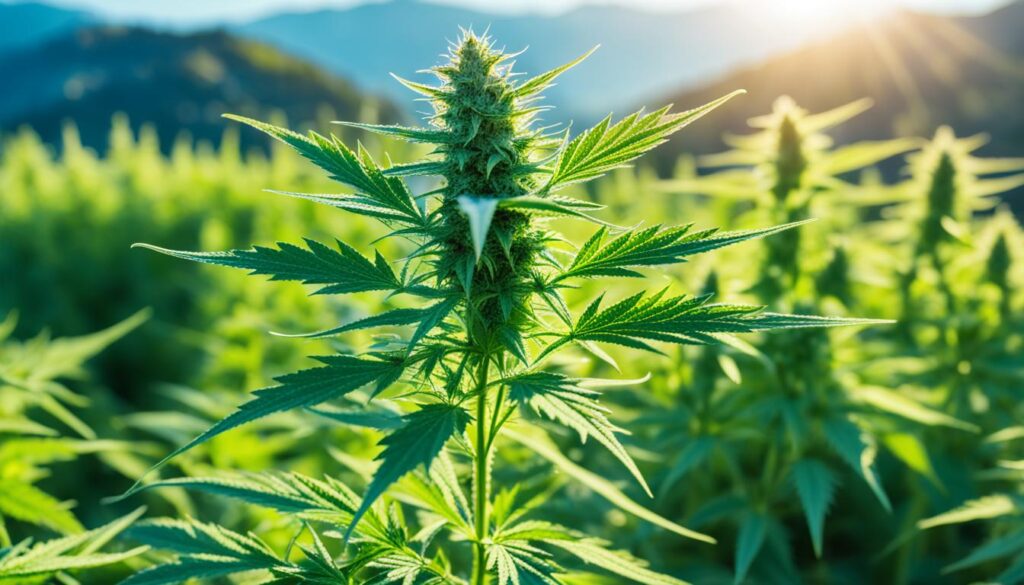
Agra is not a “quiet corner” city. It’s one of India’s most monitored tourist environments, with constant movement between:
- Taj Mahal zone
- Agra Fort zone
- riverfront viewpoints
- markets and transport corridors
Even if you never encounter enforcement directly, the risk stack is ugly:
- Legal risk (NDPS is not a slap on the wrist)
- Scam risk (tourist cities attract opportunists)
- Health risk (heat, dehydration, food experimentation)
- Trip risk (a single incident can derail trains, flights, and hotel stays)
If your goal is “relax,” illicit-market behavior usually produces the opposite: stress and hypervigilance.
The Better Agra “Weed Guide”: Replace THC With Place
Most people who chase weed while traveling are really chasing a feeling:
- slower time
- heightened senses
- softer thoughts
- “the day feels cinematic”
- deeper sleep at night
Agra can deliver that legally if you build your days around its strongest mood architecture: gardens, river views, and slow, intentional pacing.
Mehtab Bagh and the Yamuna: The Calmest “Soft Focus” Spot in Agra
Mehtab Bagh (“Moonlight Garden”) sits across the Yamuna with iconic Taj-facing views—often described as a peaceful counterpoint to the crowded main monument zone. Tripadvisor’s listing anchors it right in the network of Agra’s top sites (Taj Mahal, Agra Fort, Itmad-ud-Daulah nearby). (Tripadvisor)
For a traveler, Mehtab Bagh is a perfect substitute for intoxication because it offers “effortless elevation”:
- you sit
- light shifts
- the Taj changes color
- your mind slows down without chemicals
There’s also an official tourism page for a “Taj View Point” near Mehtab Bagh developed on the Yamuna bank for panoramic Taj views. (tajmahal.gov.in)
How to write this as a weed-intent section (without weed):
- Go at golden hour.
- Put your phone away for 10 minutes.
- Watch the river and the monument like a moving painting.
- Let the crowd energy drop off behind you.
Taj Mahal Timing: The “Sunrise Ritual” That Makes People Forget They Wanted Weed
A lot of travelers don’t actually want weed—they want wonder.
If you’ve ever watched sunrise hit white marble, you know the mental effect: quiet, softened edges, fewer intrusive thoughts. That’s the same destination many people chase with THC, just achieved through timing and place.
A practical travel detail you can use (when it happens): the Taj has occasional special entry windows tied to observances (for example, coverage about free-entry windows during Shah Jahan’s Urs and special access to the cenotaph area appears in news reporting). (The Times of India)
You don’t need to build your whole guide around these rare dates, but mentioning that Agra has time-bound “special moments” makes your article feel alive rather than generic.
Agra Fort: The “History High” That Actually Lands
Agra Fort is the perfect counterweight to Taj softness: heavier, redder, more maze-like. Your reader gets the “altered perception” experience through scale and texture rather than intoxication.
And because it’s a major landmark in the same attraction ecosystem as Mehtab Bagh and the Taj, it fits naturally into a two-part day: marble wonder → fortress power. (Tripadvisor)
The Old City and Bazaars: Sensory Travel Without Getting Reckless
Agra’s markets are loud, dense, and high-sensory—exactly the kind of environment where being impaired can go badly.
If your post is meant to keep travelers safe, this is the best framing:
- Do bazaars well-rested and hydrated.
- Treat it as a “sensory meal,” not a mission.
- Stop often, step into shade, and keep your valuables organized.
This way you still give readers the “rush” they might think they need weed for—without compounding risk.
A Calm, Legal Two-Day Agra Plan for Cannabis-Curious Travelers
This itinerary is built to deliver the psychological outcome many weed travelers want: a day that feels slower, richer, and easier.
Day 1: Sunrise Marble + River Calm
- Sunrise: Taj Mahal (the ritual start).
- Late morning: slow breakfast and rest.
- Afternoon: Mehtab Bagh / Yamuna viewpoint as your “soft focus” session. (tajmahal.gov.in)
- Evening: early dinner and sleep.
Day 2: Fort Power + Garden Geometry
- Morning: Agra Fort for deep history and scale. (Tripadvisor)
- Midday: shade break, water, light meal.
- Afternoon: a second garden walk or quiet sit by the river—keep it gentle.
- Evening: short market loop (optional), then out.
It’s simple, repeatable, and keeps your trip out of trouble.
Health and Safety: The Risks Tourists Underestimate in Agra
Even without legal consequences, intoxication can make Agra harder:
- Heat and dehydration can hit fast in UP.
- Food changes plus intoxication can trigger nausea and panic.
- Crowds can amplify anxiety.
- Traffic and crossing roads demand attention.
If someone insists on making intoxicants part of travel (again, I’m not advising it), the least-bad guidance is to avoid stacking substances, avoid transport days, stay in shade, and hydrate heavily. The best guidance is to skip it and let the city create the mood.
FAQs
Is weed legal in Agra?
“Weed” as most travelers mean it (ganja/charas) falls under the NDPS definition of “cannabis (hemp)” (ganja tops and charas resin are included). (PMC)
Why do people say bhang is legal?
Because NDPS defines ganja as the flowering/fruiting tops and excludes seeds/leaves when not accompanied by tops, creating legal space for leaf-based bhang to be regulated differently in practice by states. (PMC)
Does Agra have legal “bhang shops”?
Agra’s official district Excise Department page references information regarding shops of “CL, Model and Bhaang” for 2025–26, indicating an excise-managed framework exists at the district level.
What are NDPS penalties like?
NDPS penalties vary by offence and quantity classification, and the Department of Revenue notes that small and commercial quantities are notified for each drug and describes related penalty rules (attempts, conspiracy, repeat offences). (dor.gov.in)
What’s the safest alternative to chasing weed in Agra?
Use timing and place: sunrise at the Taj, golden hour at Mehtab Bagh/Yamuna viewpoints, and slow fort exploration. These deliver the “soft focus” feeling without legal risk. (tajmahal.gov.in)
Is Mehtab Bagh worth it?
Yes—many travelers treat it as a calmer Taj-view experience, and official tourism pages highlight Taj viewpoints near Mehtab Bagh on the Yamuna bank. (tajmahal.gov.in)
References
- District Agra (Government of Uttar Pradesh): Excise Department page referencing “shops of CL, Model and Bhaang” for 2025–26 and e-lottery info.
- NDPS Act definition of cannabis (hemp): charas/ganja; seeds/leaves exclusion clause (statute and medical-legal summary). (Indian Kanoon)
- Government of India, Department of Revenue: NDPS “Punishment for Offences” overview; small and commercial quantities notified per drug; penalty structure notes. (dor.gov.in)
- Taj View Point (ADA) near Mehtab Bagh: official tourism page describing the Yamuna bank viewpoint for panoramic Taj views. (tajmahal.gov.in)
- Tripadvisor: Mehtab Bagh listing and proximity to Taj/Agra Fort/other major sites. (Tripadvisor)
- Times of India (news): reporting on special-entry windows during Shah Jahan’s Urs (example of time-bound Taj experiences). (The Times of India)
Conclusion
Agra is one of the easiest places in India to get the “altered pace” travelers associate with weed—without touching anything illegal. The legal reality is that ganja (tops) and charas (resin) are clearly included under the NDPS definition of “cannabis (hemp),” and NDPS penalties can be severe depending on offence and quantity categories. (Indian Kanoon)
The bhang conversation adds confusion because leaves/seeds sit differently in the NDPS definition and UP districts can manage bhang retail through excise systems (Agra’s own excise page references “Bhaang” shop information). But that nuance doesn’t make “weed in Agra” a safe tourist activity.
If you want the mellow, cinematic outcome, use Agra’s strengths instead: sunrise marble, riverbank gardens, fort shadows, and a schedule that prioritizes shade, water, and early nights. That’s the version of Agra that feels elevated—and stays uncomplicated.
When it comes to marijuana products, ScentHub offers an extensive selection of some of the highest quality items I’ve come across. I’ve tried a variety of strains, edibles, and concentrates, and the quality has consistently been outstanding. The flowers are always fresh, fragrant, and potent. I’ve had the chance to try both Sativa and Indica strains, and the effects have been exactly as described. Contact them on email: Scenthub43@gmail.com and also there Telegram : t.me/Scenthub43
Wow they have an option for me. The variety in their selection means that no matter my experience level, I’ll find a product that fits my needs. highly recommended .

I can say without hesitation that ScentHub has earned my loyalty. From the quality of the products to the exceptional customer service.
“I was struggling with insomnia, and they found the perfect edible for me, Thank you”
Mine helped my dad find a tincture for his arthritis, highly recommended.
You’ve helped me smile again.