
Weed in Aligarh: What Travelers Expect, What’s Actually Legal, and How to Stay Safe
Aligarh, in Uttar Pradesh, isn’t a party city. It’s better known as a university town (Aligarh Muslim University and its famous library), a place with old forts and layered histories, and a big “everyday India” rhythm of markets, chai stops, and late-afternoon strolls. That’s exactly why some travelers end up searching for “weed in Aligarh”: the city feels lived-in, not curated, and visitors sometimes assume that means cannabis is easy or quietly tolerated.
But India’s cannabis situation is full of legal nuance—and most of that nuance does not help tourists. Under India’s NDPS Act framework, “cannabis (hemp)” includes charas (resin) and ganja (flowering/fruiting tops), with seeds and leaves excluded when not accompanied by the tops—a key detail behind why bhang (leaf-based preparations) can be treated differently in some places. (Indian Kanoon) Penalties and enforcement can still be severe for illegal cannabis offences, and the Government of India’s Department of Revenue summarizes NDPS offences/penalties and notes that small/commercial quantities are notified for each drug. (dor.gov.in)
I can’t help with buying, finding, or using illegal drugs. What I can do is give you a travel-first guide to what’s legal vs illegal in and around Aligarh, what visitors commonly misunderstand (especially about bhang), and how to have a relaxed, low-drama trip.
Why “Weed in Aligarh” Is a Common Search
Aligarh creates a specific kind of curiosity:
- University energy: visitors assume student cities have a “scene.”
- Old-city pockets: forts, mosques, and historic neighborhoods can feel like places where rules are flexible.
- Festival culture: in North India, cannabis talk often blurs into bhang traditions around Holi and Shivratri.
The problem is that tourists often merge these three into “weed must be easy here,” when legally and practically, it’s not a safe assumption.
India’s Cannabis Law in Plain English (What’s Usually Illegal)
India’s NDPS Act definition matters because it explains the difference between bhang and “weed” as most travelers mean it.
Under the NDPS Act, “cannabis (hemp)” includes:
- Charas: separated resin (and related preparations)
- Ganja: flowering or fruiting tops of the cannabis plant (excluding seeds and leaves when not accompanied by the tops)
- mixtures/drinks prepared from these forms (Indian Kanoon)
So, the smoked forms tourists usually mean (ganja/charas) fall clearly inside the NDPS framework.
For penalties, the Government of India’s Department of Revenue publishes NDPS offence/penalty summaries and emphasizes that small and commercial quantities are notified for each drug (which affects punishment). (dor.gov.in)
The Bhang Exception: Why People Say “Cannabis Is Legal in India” (And Why That’s Misleading)
Because the NDPS Act’s cannabis definition excludes leaves and seeds when not accompanied by the tops, bhang (a leaf-based preparation) sits in a different category in practice, and states regulate it differently. The Indian Express explains that this exclusion creates legal space for bhang and notes that some states (including Uttar Pradesh) license and tax bhang sales. (The Indian Express)
This is the big tourist trap:
- Visitors hear “bhang is legal,”
- then assume “weed is legal,”
- then assume “I can just get a little in Aligarh.”
Those are not the same thing.
Safe takeaway: If you’re traveling, treat ganja/charas/THC products as illegal under NDPS, and treat bhang as a state-regulated exception that can still create legal problems if you improvise or buy from unverified sources. (Indian Kanoon)
What This Means Specifically in Aligarh (Uttar Pradesh)
Uttar Pradesh is frequently cited as a state that licenses bhang sales. (The Indian Express)
And Aligarh’s own district website includes excise-related notices and results that explicitly mention bhang shops, which strongly suggests bhang retail licensing is handled through the excise system locally.
Important: that does not mean “weed is legal in Aligarh.” It means there is an excise-regulated framework around bhang (leaf preparations) in the district.
If you’re writing an SEO article, this is your most valuable “local specificity” point, because it’s grounded in official district pages rather than hearsay.
What Not to Do as a Visitor (The Fastest Ways a Trip Goes Sideways)
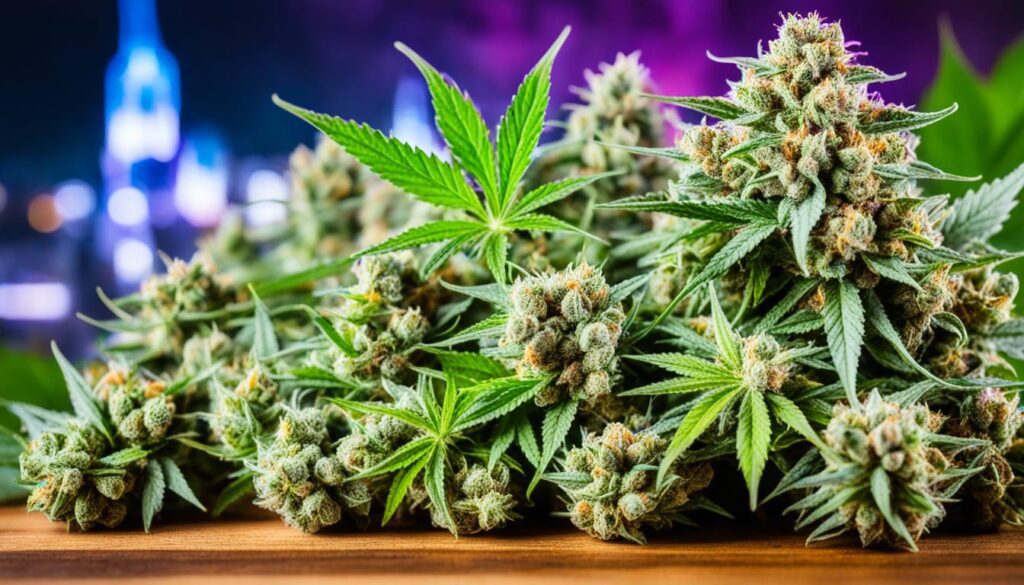
Even when travelers aren’t trying to be reckless, a few patterns cause problems:
- Asking strangers for “stuff.” This increases scam risk, safety risk, and legal risk.
- Carrying anything across cities/states. Travel amplifies consequences.
- Confusing bhang with ganja. Leaf-based bhang traditions do not legalize “weed” generally. (Indian Kanoon)
- Assuming “small quantity = no big deal.” NDPS penalties depend on notified quantity categories and circumstances. (dor.gov.in)
A Better “Weed Travel” Angle for Aligarh: Replace THC With Place
A good Aligarh guide can deliver what many cannabis travelers want (slower time, calmer mind, richer sensory experience) through the city’s real strengths:
- AMU’s iconic spaces (library, gates, campus lanes)
- Old architecture and forts
- Parks and evening food walks
- Short day trips (temples, quiet lakes, local crafts)
Tripadvisor’s Aligarh list highlights AMU-related landmarks like Maulana Azad Library and the AMU Jama Masjid among top attractions. (Tripadvisor)
That’s your “mood scaffolding.” Use it.
The AMU Zone: Quiet Grandeur, Long Walks, and the “Library Calm” Effect
If your readers want a mellow day, write this section like a ritual:
- Morning: slow walk near AMU gates and older academic buildings
- Midday: shade + chai + a low-noise break
- Afternoon: museum/library-adjacent time (where allowed)
- Evening: food street energy (without turning it into chaos)
You don’t need to overspecify entry rules (they change), but you can anchor the idea that AMU-related spots are among the city’s most visited and culturally significant attractions. (Tripadvisor)
Aligarh Fort: “History High” Without Any Substances
Aligarh Fort is one of those places that works well in a cannabis-themed article because it naturally creates perspective: elevation, old stone, and the feeling of standing inside a different time.
Travel guides commonly list the fort as a notable place to visit. (Trodly) (Some sources note access/permissions can apply, so it’s smart to verify locally before planning your whole day around it.) (Trodly)
Write it as a “history high”:
- go early for softer heat and fewer crowds
- move slowly, pay attention to textures and carvings
- sit and people-watch for 10 minutes before leaving
The “Lock City” Identity: A Different Kind of Local Culture
Aligarh is famous in India for lock-making and metalwork. If you want a unique angle that separates your Aligarh article from generic “weed in ___” pages, include the city’s craft identity and how it shapes markets and local pride. News reporting has also discussed plans for a lock museum to boost tourism. (The Times of India)
That gives your article something most cannabis-focused posts don’t have: local economy + heritage.
Bhang in Uttar Pradesh: Cultural Context Without Risky Advice
If you include bhang (you should, because it’s relevant in UP), keep it careful:
- Explain that bhang is traditionally leaf-based, and that leaves are treated differently under the NDPS cannabis definition. (Indian Kanoon)
- Note that UP licenses and taxes bhang sales (as reported), and that regulation is handled via excise systems. (The Indian Express)
- Avoid telling people where/how to buy it, how to prepare it, or how to “use it safely” in a dosing sense.
A simple, responsible line works best: if someone chooses to engage with bhang culture, it should be through clearly legal channels and with awareness that it is still an intoxicant, not a toy.
Health and Safety: The Practical Risks Tourists Underestimate
Even ignoring legal consequences, cannabis (and bhang) can make travel worse if you’re not careful:
- Heat + dehydration: UP can be punishing in hotter months.
- Food experiments + intoxication: stomach issues become more likely.
- Traffic and navigation: impaired judgment in busy streets is a real hazard.
- Anxiety and paranoia: unfamiliar environments can amplify uncomfortable effects.
If the goal is “chill,” the best strategy is often: more water, more shade, more slow walks, and more sleep.
A Calm, Legal Two-Day Aligarh Itinerary (That Still Feels “Elevated”)
Day 1: Campus and Old-City Texture
- Morning: AMU-area walk and landmark hopping (keep it slow)
- Midday: long lunch + shade break
- Afternoon: museum/heritage stop if open
- Evening: market walk + simple dinner
(Anchor your attraction suggestions with commonly listed AMU landmarks on travel directories.) (Tripadvisor)
Day 2: Fort + Parks + Local Craft Mood
- Morning: Aligarh Fort (verify access expectations locally)
- Midday: park or quiet temple area
- Afternoon: craft/market browsing (locks/metalwork identity)
- Evening: early night and rest
FAQs
Is weed legal in Aligarh?
“Weed” as most travelers mean it (ganja/charas/THC products) is illegal under India’s NDPS framework. The NDPS Act definition includes charas (resin) and ganja (flowering/fruiting tops). (Indian Kanoon)
Why do people say bhang is legal in India?
Because the NDPS Act definition of ganja excludes seeds and leaves when not accompanied by the tops, which creates legal space for leaf-based bhang in practice, and states regulate it. (Indian Kanoon)
Is bhang legal in Uttar Pradesh and Aligarh?
Uttar Pradesh is reported as a state that licenses and taxes bhang sales, and Aligarh district excise pages reference bhang shop settlement/results, indicating regulated channels exist locally. (The Indian Express)
What are the penalties for cannabis offences in India?
Penalties vary by offence and by the notified “small” vs “commercial” quantity thresholds for each drug; the Department of Revenue summarizes NDPS offences/penalties and notes that small/commercial quantities are notified for each drug. (dor.gov.in)
What should I do in Aligarh instead of chasing weed?
Build your trip around AMU landmarks, the fort, evening markets, and slow cultural walking days—Aligarh is strong at “place-based calm.” (Tripadvisor)
Are there tourist attractions worth visiting in Aligarh?
Yes—travel listings commonly highlight AMU landmarks (like Maulana Azad Library) and other religious/cultural sites as top attractions. (Tripadvisor)
Outbound Links (Just 3 Authoritative Marijuana Websites)
https://norml.org
https://www.leafly.com/learn
https://projectcbd.org
References
- NDPS Act definition of “cannabis (hemp)” (charas/ganja; seeds & leaves exclusion clause). (Indian Kanoon)
- Government of India, Department of Revenue: NDPS offences/penalties overview; small/commercial quantities are notified per drug. (dor.gov.in)
- Indian Express: explanation of bhang’s legal space due to NDPS definition; notes UP licenses/taxes bhang sales. (The Indian Express)
- District Aligarh (Govt of UP) excise pages referencing bhang shops (settlement/results).
- Travel listings for Aligarh attractions (AMU landmarks and more). (Tripadvisor)
- Aligarh Fort travel references (note: access can require permissions per some guides). (Trodly)
- Reporting on Aligarh’s lock-related tourism initiative (lock museum plan). (The Times of India)
Conclusion
Aligarh can be an excellent North India stop if you treat it as what it is: a university-and-heritage city with strong “slow day” potential. Cannabis, however, is not a safe tourist activity here. Under the NDPS definition, ganja and charas are clearly within the scope of illegal cannabis, and penalties are shaped by offence type and notified quantity thresholds. (Indian Kanoon)
The bhang conversation adds confusion, especially in Uttar Pradesh where bhang sales are licensed and taxed and district excise pages reference bhang shops—but that nuance does not equal “weed is legal.” (The Indian Express)
If you want the relaxed, “elevated” feeling people associate with weed, Aligarh can deliver it the better way: long campus-area walks, fort-and-history perspective, evening market energy, and a trip paced for rest rather than risk.
When it comes to marijuana products, ScentHub offers an extensive selection of some of the highest quality items I’ve come across. I’ve tried a variety of strains, edibles, and concentrates, and the quality has consistently been outstanding. The flowers are always fresh, fragrant, and potent. I’ve had the chance to try both Sativa and Indica strains, and the effects have been exactly as described. Contact them on email: Scenthub43@gmail.com and also there Telegram : t.me/Scenthub43
Wow they have an option for me. The variety in their selection means that no matter my experience level, I’ll find a product that fits my needs. highly recommended .
I can say without hesitation that ScentHub has earned my loyalty. From the quality of the products to the exceptional customer service.

They don’t pressure you into buying anything you’re not ready for, which is a huge relief. It feels more like a conversation with a trusted friend rather than a hard sell. highly recommended!!