
Weed in Bonn: Germany’s New Cannabis Rules, Local Reality, and How to Stay Out of Trouble
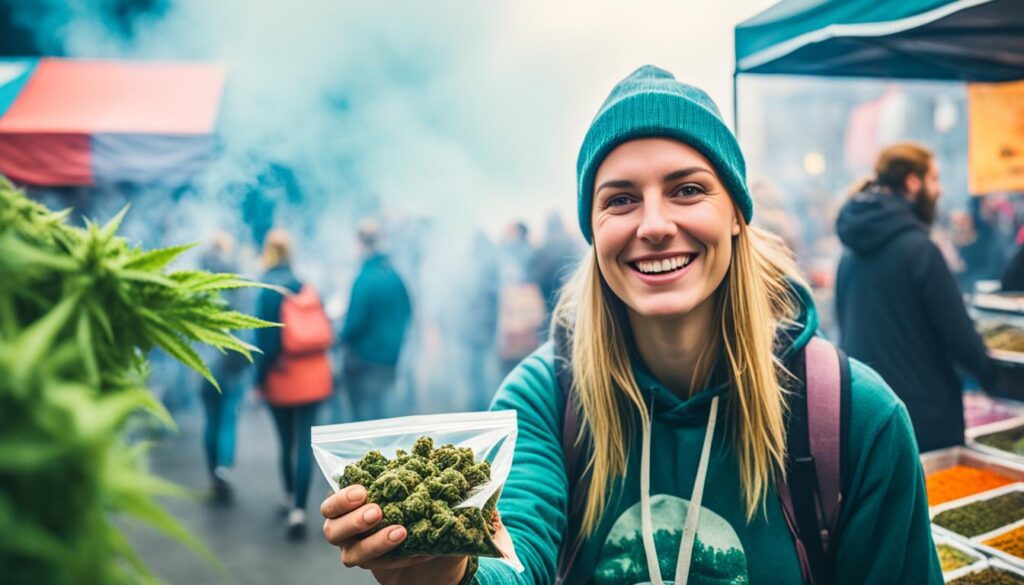
Bonn is a Rhine-side university city with a diplomatic, research, and “former-capital” identity. It sits in North Rhine–Westphalia, roughly 24 km south of Cologne, and it famously served as the provisional capital of West Germany for decades. (Encyclopedia Britannica) That mix of students, international institutions, and relaxed café culture can make travelers assume cannabis is now “basically easy” everywhere in Germany.
Germany has changed its cannabis rules dramatically since 2024—but the picture is still “legal with limits,” and Bonn has the same practical constraints as the rest of the country: possession caps, public-consumption restrictions, and a system where legal access is not the same as commercial retail dispensaries.
This guide is written for harm reduction and travel awareness. It does not tell you how to buy cannabis illegally. Instead, it explains the legal framework, how it plays out in a city like Bonn, common visitor mistakes, and safer ways to enjoy the trip without turning a relaxed weekend into a legal headache.
(Just 3 outbound links are included, as requested.)
Bonn’s Vibe: Why Visitors Expect “Amsterdam, but German” and Get Surprised
Bonn is often described as a cultured, cosmopolitan city with strong music and museum life, a large student population, and a continued federal/international presence even after the government moved to Berlin. (Encyclopedia Britannica) It’s easy to see why people assume cannabis is now casual here: parks along the Rhine, beer gardens, festivals, and a youthful university atmosphere.
But Bonn is also orderly and rules-forward in a very German way: signage matters, public space is regulated, and enforcement tends to focus on where something happens (e.g., near schools or in pedestrian zones at certain times), not only what happens.
Germany’s Cannabis Act: What Became Legal in 2024
Germany’s Cannabis Act (Cannabisgesetz / CanG) entered into force on April 1, 2024. It legalized adult possession and home cultivation within defined limits and created a legal pathway for non-profit “cultivation associations” (often called cannabis social clubs) from July 1, 2024. (BMG)
At a high level, the law allows adults (18+) to:
- possess up to 25 g in public,
- keep up to 50 g at home (dried cannabis),
- grow up to three plants for personal use,
with additional details and restrictions. (BMG)
This is a major shift—but it is not the same as a full commercial dispensary market.
What You Can’t Do: Why “Legalized” Doesn’t Mean “Retail Dispensaries Everywhere”
Germany’s 2024 reform is often described as a “partial legalization” model: personal possession and home grow are allowed within limits, and cannabis social clubs can legally supply members—but commercial recreational retail is not broadly available under this first pillar. (BMG)
That distinction matters in Bonn because visitors sometimes arrive expecting a simple retail experience. Instead, the rules emphasize controlled possession, restricted public consumption, and structured non-profit access routes/Weed in Bonn.
Cannabis Social Clubs in Germany: What They Are (and What They Aren’t)
From July 1, 2024, Germany allowed adult-only, non-profit cultivation associations with membership caps (commonly described as up to 500 members) and strict distribution rules. (BMG) The Federal Ministry of Health highlights strict age checks and rules, including THC limits for young adults (18–21) in the cultivation-association context. (BMG)
A practical reality: licensing and rollout have varied by region and timing, and legal commentary has noted that many associations waited for approvals after July 2024. (CMS Law) So even though clubs are legal in principle, what exists on the ground can differ depending on administrative progress/Weed in Bonn.
Public Consumption Rules: The “Where” Matters as Much as the “What”
Germany’s framework includes location-based restrictions designed for youth protection—particularly around places where children and teens gather. Summaries of the rules commonly cite a 100-meter exclusion zone around schools, kindergartens, playgrounds, and similar facilities, plus extra rules for certain pedestrian-zone areas at set times. (Wikipedia)
For Bonn, that’s a big deal because it’s full of parks, riverside paths, and mixed-use neighborhoods where schools, playgrounds, sports areas, and family spaces can be close together. Even if someone is within possession limits, ignoring “where you are” can create avoidable conflict.
Bonn-Specific Common Sense: Where Tourists Accidentally Break Rules
Bonn’s layout invites strolling—Rhine promenades, central shopping areas, and green spaces. But visitors often misjudge:
- Pedestrian-heavy zones: day-time foot traffic + families + signage = higher chance of complaints
- Near schools/playgrounds: Bonn is a lived-in city, not just a tourist stage set
- Festival/carnival spillover: crowds don’t “suspend” rules; they can increase visibility
The result: the typical problem in Bonn isn’t “major crime.” It’s small rule breaches that become police interactions, fines, confiscation, or a stressful interruption.
Visitors and Cannabis in Bonn: The Biggest Misunderstanding
A common misconception is: “If I’m under 25 g, I’m fine.”
In reality, legal risk isn’t only about the number on a scale. It can include:
- consuming in restricted locations,
- behavior that triggers public-safety responses,
- driving or cycling while impaired (high risk, severe consequences),
- misunderstandings about what is and isn’t allowed for visitors vs residents in certain access channels/Weed in Bonn.
Germany’s system is structured to allow adult possession while keeping strict boundaries around youth protection and public order. (BMG)
Driving in and Around Bonn: The Fastest Way to Turn a Good Trip Bad
Bonn is perfectly positioned for day trips (Cologne, the Rhine valley, Eifel, etc.). That also means a lot of visitors rent cars, use rideshares, or cycle.
Even if possession is legal, impaired driving is a different category of risk. Germany has been actively adjusting cannabis-related traffic policy as legalization rolled out, and enforcement is not something to gamble with. If the goal is a stress-free trip, plan your evenings so you’re not driving afterward.
Home Cultivation: Legal in Germany, Still Not a “Tourist-Friendly” Option
The law allows adults to grow up to three plants for personal use. (Wikipedia) In practice, this isn’t meaningful for short-term visitors, and it doesn’t translate to “easy access.” It’s aimed at residents managing personal supply within legal boundaries.
Hotels, Rentals, and the Reality of House Rules
Even where the law permits possession or consumption, your accommodation can still prohibit smoking/vaping (and can charge cleaning fees or terminate stays). Bonn has plenty of business hotels and quiet residential neighborhoods—places that often have strict rules for smoke, odor, balconies, and common areas/Weed in Bonn.
The simplest travel-safe approach: treat your lodging contract as its own rulebook, separate from the national law.
Health and Harm Reduction: Keeping a Bonn Trip Calm and Predictable
If someone chooses to use cannabis where legal, the harm-reduction basics become more important in a travel setting:
- avoid mixing with heavy alcohol (beer gardens + cannabis can hit harder than expected)
- stay hydrated (Rhine walks + festivals + travel fatigue)
- watch anxiety triggers (crowds, unfamiliar settings, language barriers)
- don’t escalate public interactions; step away if tension starts
If you want a science-forward cannabinoid education resource (especially CBD), Project CBD is a strong reference/Weed in Bonn. (Outbound link 1 of 3)
https://projectcbd.org/
What’s Legal Isn’t Always Available: Why the Market Still Feels “Awkward”
Even with legalization, Germany’s approach has created a transition period where the illegal market may still exist, while legal access pathways (clubs, home grow) mature and administrative licensing catches up. Commentary from law firms and industry observers has pointed out uneven club licensing and gradual rollout/Weed in Bonn. (CMS Law)
So in Bonn, visitors may feel the contradiction: “It’s legal, but it’s not easy.” That’s by design—Germany prioritized controlled access rather than a quick retail boom.
Bonn Itinerary Tips That Don’t Depend on Cannabis
If part of your interest is the “relaxed vibe,” Bonn can deliver that with or without cannabis:
- Rhine promenade walks and sunset views
- museum + café days (Bonn leans arts/culture hard) (Germany Travel)
- student neighborhoods and beer gardens (easy social atmosphere) (expedia)
- day trips into the Rhine valley (low effort, high payoff)
If your trip goal is “soft, chill, not chaotic,” the city already supports that.
A Quick Reality Check on “Authoritative” Cannabis Info vs Local Rules
Cannabis culture websites can teach general effects, dosing basics, and consumer education, but the binding reality in Bonn is German law and local enforcement.
For broad legal/policy context and reform tracking, NORML is a long-running reference point. (Outbound link 2 of 3)
https://norml.org/
For consumer-friendly explanations of strains, effects, and basics (useful for general education, not as legal guidance), Leafly is widely used. (Outbound link 3 of 3)
https://www.leafly.com/
(Those are the only outbound links in this article.)
FAQs
Is weed legal in Bonn?
For adults 18+, Germany’s Cannabis Act has allowed legal possession and use within defined limits since April 1, 2024, and it applies nationwide, including Bonn. (BMG)
What are the possession limits in Germany?
Commonly stated limits under the 2024 law are up to 25 g in public and up to 50 g at home, plus up to three plants for personal cultivation. (BMG)
Can tourists buy cannabis in a shop in Bonn?
Germany’s 2024 framework does not create a broad recreational retail dispensary system. Legal access is shaped around personal cultivation and non-profit cultivation associations (social clubs), which have structured membership and regulatory requirements. (BMG)
Are cannabis social clubs legal in Germany?
Yes. The framework for cultivation associations became legal from July 1, 2024, but real-world availability depends on licensing and regional rollout. (BMG)
Where is public consumption restricted?
Summaries of the rules describe restrictions such as staying away from certain youth-focused places (often cited as a 100 m buffer around schools, kindergartens, playgrounds, and similar facilities), with additional rules in some pedestrian-zone contexts. (Wikipedia)
Is Bonn a “party city” for cannabis?
Not really. Bonn is known more for culture, universities, international institutions, and a relaxed Rhine city vibe than for a cannabis nightlife scene. (Encyclopedia Britannica)
What’s the biggest risk for visitors?
The biggest practical risks are ignoring consumption-location rules, mixing cannabis with alcohol in crowded public settings, and driving or cycling while impaired.
References
Germany cannabis law and implementation
- German Federal Ministry of Health FAQ on the Cannabis Act (rules and cultivation association constraints). (BMG)
- Library of Congress note on CanG entering into force on April 1, 2024 and establishing the new framework. (The Library of Congress)
- Summary descriptions of the Cannabis Act’s possession/home limits and July 1, 2024 club framework. (Wikipedia)
- Legal industry commentary on cultivation association licensing/rollout after July 2024. (CMS Law)
Bonn background
- Britannica overview of Bonn’s location on the Rhine and former-capital role. (Encyclopedia Britannica)
- Germany Travel city profile describing Bonn’s culture and cosmopolitan identity. (Germany Travel)
Conclusion
Bonn is exactly the kind of city where travelers expect cannabis to feel effortless: student energy, café culture, festivals, and a calm Rhine setting. But Germany’s 2024 legalization is structured and conditional, not a free-for-all. Adults can possess limited amounts and grow plants at home, and cultivation associations became legal in mid-2024—yet public-consumption restrictions and real-world access constraints still shape what’s actually practical. (BMG)
If you’re visiting Bonn, the best way to keep the trip smooth is to treat cannabis like any other regulated activity: know the limits, respect location restrictions, don’t mix it with risky situations, and absolutely avoid impaired driving. Bonn has plenty of ways to feel relaxed without drama—Rhine walks, museums, beer gardens, and day trips—so you can enjoy the city without turning a weekend into paperwork.
When it comes to marijuana products, ScentHub offers an extensive selection of some of the highest quality items I’ve come across. I’ve tried a variety of strains, edibles, and concentrates, and the quality has consistently been outstanding. The flowers are always fresh, fragrant, and potent. I’ve had the chance to try both Sativa and Indica strains, and the effects have been exactly as described. Contact them on email: Scenthub43@gmail.com and also there Telegram : t.me/Scenthub43
Wow they have an option for me. The variety in their selection means that no matter my experience level, I’ll find a product that fits my needs. highly recommended .
I can say without hesitation that ScentHub has earned my loyalty. From the quality of the products to the exceptional customer service.

They don’t pressure you into buying anything you’re not ready for, which is a huge relief. It feels more like a conversation with a trusted friend rather than a hard sell. highly recommended!!