
Discovering Weed in Lidingö: Island Calm, Sculpture Gardens, and Sweden’s Strict Cannabis Reality
Lidingö feels like Stockholm’s exhale. It’s close enough to the city that you can day-trip without planning, but once you’re there, the pace changes: forest paths, quiet residential streets, waterfront air, and that “island time” sensation where even a simple walk feels restorative. Visit Stockholm sells Lidingö exactly this way: a nature-forward island with accessible forest paths and lush green space, perfect for a day trip, and famously home to the Lidingöloppet cross-country race. (Visit Stockholm)
That mood is why travelers sometimes frame a visit as “Discovering Weed in Lidingö.” The honest catch: Sweden is not a casual cannabis destination. Sweden’s Ministry for Foreign Affairs states clearly that Sweden has strict narcotics legislation and that the Penal Law on Narcotics criminalises use, possession, purchase, sale and transfer of drugs, with penalties that include substantial fines for minor offences and imprisonment up to three years for a drug offence (as stated there). (Regeringskansliet)
So this guide doesn’t do “where to get it” (I can’t help with illegal procurement). Instead, it’s a travel-smart interpretation of “discovery”: what the law and social norms mean in practice, the common mistakes tourists make in strict-law countries, and how to get the same relaxed, “soft focus” feeling people often chase with weed—using Lidingö’s nature, art, and slow rituals legally.
Why Lidingö Feels Like a “Mellow” Destination
Some places make you want to party. Lidingö makes you want to breathe deeper.
There are a few reasons it naturally triggers that cannabis-travel fantasy:
- Nature is not an excursion here; it’s the baseline. Visit Stockholm highlights “untouched nature” and accessible forest paths across the island. (Visit Stockholm)
- It’s close to central Stockholm, but not central Stockholm. You get the convenience without the sensory overload.
- The island identity encourages slower decisions. You’re not rushing between ten sights; you’re drifting through a day.
Even non-official guides emphasize Lidingö’s “off the beaten track” feel, its unspoiled natural setting, and its long history as a high-status residential area with villas and mansions. (city-guide-stockholm.com)
So yes—Lidingö feels like a place where weed would “fit.” But Sweden’s rules and enforcement culture mean that acting on that feeling is a bad trade/Discovering Weed in Lidingö.
Sweden’s Cannabis Baseline: Clear Prohibition, Real Consequences
Sweden doesn’t do ambiguity on narcotics. The Swedish Government’s diplomatic guide states:
- Sweden has strict legislation on narcotics.
- The Penal Law on Narcotics criminalises use, possession, purchase, sale and transfer of drugs.
- Punishment for a drug offence is imprisonment up to three years.
- Punishment for a minor drug offence is a substantial fine. (Regeringskansliet)
For readers who want the law text behind that, the Government’s published excerpt translation and the UNODC-hosted translation outline unlawful handling (for example: unlawful transfer, manufacture intended for misuse, acquisition for transfer, and other handling). (Regeringskansliet)
Practical travel takeaway: Lidingö has no legal recreational THC infrastructure to explore. Any attempt to “discover weed” as an activity pushes a traveler toward illicit behavior with a high risk-to-reward ratio/Discovering Weed in Lidingö.
What “Discovering Weed” Usually Means in Lidingö (And Why It’s a Bad Plan)
In legal cannabis destinations, discovery means regulated retail, labels, consumer protections, and some kind of accepted public-facing culture.
In Lidingö (and Sweden generally), “discovering weed” often quietly translates to one of these patterns:
- trying to locate illicit supply
- taking risks with unknown products and unknown people
- assuming “small amount” equals “small consequences”
- confusing the island’s calm vibe with tolerance
Even without discussing enforcement details, the logic is simple: a strict-law country + non-regulated market + tourist unfamiliarity = maximum downside/Discovering Weed in Lidingö.
If your goal is to have a beautiful island day, the smartest move is to treat “weed discovery” as discovering the feeling—not the substance.
Lidingö’s Best Substitute for Weed: The Island Ritual Method
People often use cannabis to do three things on vacation:
- Slow down time (turning a simple moment into a “scene”)
- Increase sensory pleasure (food tastes better, light looks warmer)
- Reduce mental noise (less stress, more presence)
Lidingö can deliver all three—legally—if you build your visit like a ritual instead of a checklist.
Here’s the “island ritual method” that fits Lidingö especially well:
- Arrive with one anchor plan (art OR nature, not both at full intensity).
- Add a slow walk as the spine of your day.
- Pick one beautiful pause (a viewpoint, a café moment, a waterfront bench).
- End early enough that your body feels restored, not depleted.
This is the same psychological effect many travelers chase with weed: fewer decisions, fewer obligations, more sensory attention.
The Art Anchor: Millesgården as a “Soft Focus” ExperienceIf you want a single attraction that captures the Lidingö vibe—art, nature, and quiet prestige—Millesgården is the obvious anchor.
Visit Stockholm describes Millesgården as a unique environment created by sculptor Carl Milles and artist Olga Milles, featuring a large sculpture park, the artists’ home, and a museum with rotating exhibitions, with terraces, fountains, and views over Stockholm’s inlet. (Visit Stockholm)
Tripadvisor’s description reinforces what travelers actually experience: an artist home plus a large sculpture park with flower beds and fountains, gallery spaces, and a shop—an immersive, slow-walk kind of place. (Tripadvisor)
If you’re writing this as a “weed travel” themed post while staying responsible, Millesgården is your strongest narrative tool because it gives readers a legitimate “altered perception” experience:
- sculpture + sky + water views
- the feeling of wandering through an artist’s world
- a setting designed to be absorbed slowly
You can even add practical notes that make your guide feel real, like the museum’s visitor info (cashless, ticket pricing) without turning the article into a brochure. (millesgarden.se)
The Nature Anchor: Forest Paths, Quiet Edges, and “Untouched” Green Space
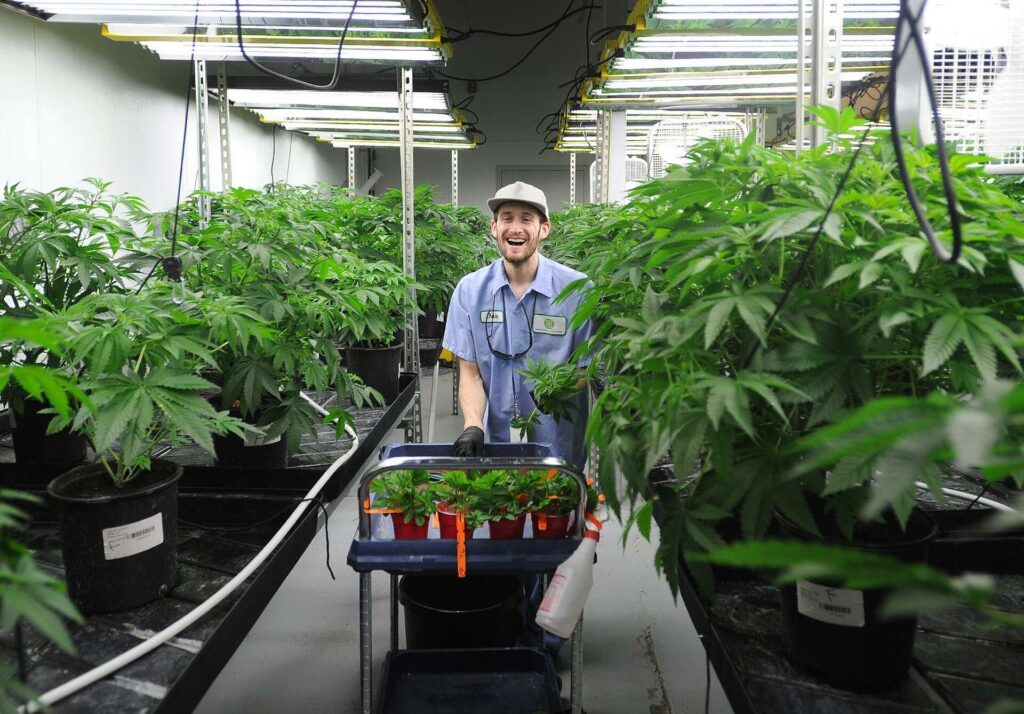
Visit Stockholm’s Lidingö guide emphasizes how large parts of the island remain covered by nature, with accessible forest paths and lush surroundings. (Visit Stockholm)
That’s your cue to write Lidingö as a “micro-wilderness” escape:
- choose a path where you can walk without constantly checking directions
- let the trees and water do the calming
- keep your phone mostly in your pocket
- treat the walk as the main event, not the transition between events
A great line to include in your article (in your own words) is that Lidingö works because it doesn’t demand “big sightseeing energy.” It rewards low-intensity curiosity.
The High-Status History Angle: Villas, Quiet Wealth, and Why Tourists Misread It
Lidingö has long been associated with affluent living, and guides describe how wealthy nobles and merchants bought land and built villas and mansions, forming an exclusive residential character. (city-guide-stockholm.com)
This matters because travelers sometimes think “wealthy area” implies:
- less enforcement
- more privacy
- more tolerance for “quiet rule-breaking”
In reality, high-status residential areas often have the opposite dynamics:
- faster complaints about smells/noise
- more vigilant property management
- less tolerance for disruption
- more visibility because people notice what doesn’t belong
If your post is meant to help travelers, this is a valuable truth: Lidingö’s calm is maintained by norms, not by indifference.
Cannabis in Sweden: Common Enough to Measure, Still Not Tourist-Friendly
It’s useful to include one grounded public-health fact so the article doesn’t sound naïve.
The Public Health Agency of Sweden states that cannabis is the most common narcotic drug in Sweden and provides 2024 past-12-month figures for adults aged 16–84. (folkhalsomyndigheten.se)
At the European level, EUDA notes cannabis is the most widely consumed illicit drug in Europe and summarizes market size and prevalence. (euda.europa.eu)
But pairing those facts with Sweden’s official legal stance leads to a clear travel conclusion: cannabis may exist in the population, yet it isn’t a tourist-facing, regulated experience in Sweden—especially not in a quiet island district where people value calm and order. (Regeringskansliet)
CBD in Sweden: The “Harmless Wellness Product” Trap
Many travelers assume CBD is automatically safe everywhere. The problem is that product labeling and regulation vary across countries, and “CBD” products can contain trace THC or be classified differently depending on contents and claims.
Because Sweden’s official stance is strict on narcotics overall, the safest travel guidance for short stays is: don’t assume CBD oils, vapes, gummies, or flower products are automatically fine to carry or use casually in Sweden. (Regeringskansliet)
(If someone relies on a cannabinoid-based medicine, that becomes a documentation-and-official-guidance topic to handle before travel.)
Harm Reduction That Fits Lidingö: Water, Bikes, and Vacation Overconfidence
Even leaving law aside, Lidingö is a place where impairment can become a practical safety problem because the island experience often includes:
- waterfront edges
- slippery rocks or damp paths
- cycling routes and casual speed
- long, quiet walks where getting “a bit too out of it” can feel unsettling
So your harm-reduction section can be very grounded and local-feeling:
- if you’re tired, don’t add alcohol on top of it
- if you’re near water, stay alert
- if you’re cycling, protect your focus
- if your plan is “relax,” keep it simple and daylight-based
This keeps the article useful even for readers who aren’t primarily cannabis travelers.
A Two-Day Lidingö Plan That Feels Like a “High” Without the Risk
If you want the post to feel different from your other Sweden entries (Nacka nature, Norrköping industry, Lund academia), structure Lidingö around art + island calm.
Day 1: Art and terraces
- Morning: arrive slowly, coffee first, no rush.
- Midday: Millesgården as the anchor (sculpture park + views). (Visit Stockholm)
- Afternoon: wander nearby streets and waterfront edges with no goal other than “nice light and quiet.”
- Evening: early dinner, gentle walk, sleep like a person who actually rested.
Day 2: Green space and soft movement
- Morning: forest-path walk (make nature the main event). (Visit Stockholm)
- Midday: a simple lunch and a second short loop rather than a big expedition.
- Afternoon: leave before you’re exhausted—so the island stays associated with calm, not hustle.
That’s how you replicate the cannabis vacation “glow” using pacing instead of substances.
FAQs
Is weed legal in Lidingö?
No. Sweden’s Ministry for Foreign Affairs states that Sweden has strict legislation on narcotics and that the Penal Law on Narcotics criminalises use, possession, purchase, sale and transfer of drugs. (Regeringskansliet)
Are there legal dispensaries in Lidingö?
No. Sweden does not have a legal recreational THC dispensary system.
What penalties can apply in Sweden for drug offences?
Sweden’s diplomatic guide states the punishment for a drug offence is imprisonment up to three years and the punishment for a minor drug offence is a substantial fine (as stated there). (Regeringskansliet)
Is cannabis used in Sweden at all?
Yes. The Public Health Agency of Sweden states cannabis is the most common narcotic drug in Sweden and provides 2024 past-12-month prevalence figures for adults aged 16–84. (folkhalsomyndigheten.se)
What’s the best “mellow” thing to do in Lidingö without cannabis?
Make Millesgården your anchor for a slow, sensory day (sculpture park, terraces, views), then add a nature walk on the island’s forest paths. (Visit Stockholm)
Why is Lidingö popular as a day trip?
Visit Stockholm highlights its proximity to downtown Stockholm and its accessible forest paths and nature, making it easy to visit without heavy planning. (Visit Stockholm)
References
Lidingö travel and attractions
- Visit Stockholm: Guide to Lidingö (day-trip positioning; forest paths; nature; Lidingöloppet). (Visit Stockholm)
- Visit Stockholm: Millesgården listing (sculpture park, artists’ home, rotating exhibitions, views). (Visit Stockholm)
- Millesgården (official): practical visitor information and tickets. (millesgarden.se)
- TripAdvisor: Millesgården overview (artist home and sculpture park description). (Tripadvisor)
- City Guide Stockholm: Lidingö background (island setting; historical villas/mansions). (city-guide-stockholm.com)
Sweden cannabis law and public health context
- Swedish Government Diplomatic Guide: “11.3 Narcotics” (criminalises use/possession/purchase/sale/transfer; penalties summary). (Regeringskansliet)
- Swedish Government: Penal Law on Narcotics info page and excerpt translation (legal framework). (Regeringskansliet)
- UNODC: Sweden Narcotic Drugs (Punishments) Act translation (unlawful handling categories). (UNODC)
- Public Health Agency of Sweden: Narcotics page (cannabis most common narcotic; 2024 prevalence). (folkhalsomyndigheten.se)
- EUDA: European Drug Report 2025 cannabis page (Europe-wide context on prevalence and market). (euda.europa.eu)
Conclusion
Lidingö is a near-perfect “slow travel” island: close to Stockholm, rich in green space, and built for long walks, quiet waterfront pauses, and art you absorb at a human pace. Visit Stockholm’s guide emphasizes exactly that nature-forward day-trip appeal, while Millesgården adds a uniquely Lidingö blend of sculpture, terraces, and views across Stockholm’s inlet. (Visit Stockholm)
But “discovering weed” here needs to be framed honestly. Sweden’s official guidance is clear that cannabis-related conduct is criminalised under strict narcotics legislation, with penalties that can include substantial fines and imprisonment depending on the offence. (Regeringskansliet)
If you want the best Lidingö experience, let the island provide the shift: build a calm itinerary around forest paths, water air, and a sculpture-garden afternoon, and you’ll get the same softened, restorative feeling—without turning your trip into a risk calculation.
When it comes to marijuana products, ScentHub offers an extensive selection of some of the highest quality items I’ve come across. I’ve tried a variety of strains, edibles, and concentrates, and the quality has consistently been outstanding. The flowers are always fresh, fragrant, and potent. I’ve had the chance to try both Sativa and Indica strains, and the effects have been exactly as described. Contact them on email: Scenthub43@gmail.com and also there Telegram : t.me/Scenthub43
Wow they have an option for me. The variety in their selection means that no matter my experience level, I’ll find a product that fits my needs. highly recommended .
I can say without hesitation that ScentHub has earned my loyalty. From the quality of the products to the exceptional customer service.

I’ve had a number of experiences where edible products don’t quite deliver the promised effects or leave an unpleasant aftertaste, but that’s not the case with ScentHub. The gummies, chocolates, and drinks I’ve tried have all been potent, flavorful, and consistently effective. The packaging is also informative, making it easy to understand the dosage and what to expect from each edible, Thank you !!!
They also don’t pressure you into buying anything you’re not ready for, which is a huge relief. It feels more like a conversation with a trusted friend rather than a hard sell. highly recommended!!