
Weed in Bareilly: What’s Legal, What’s Risky, and How to Get the “Chill” Without Ruining Your Trip
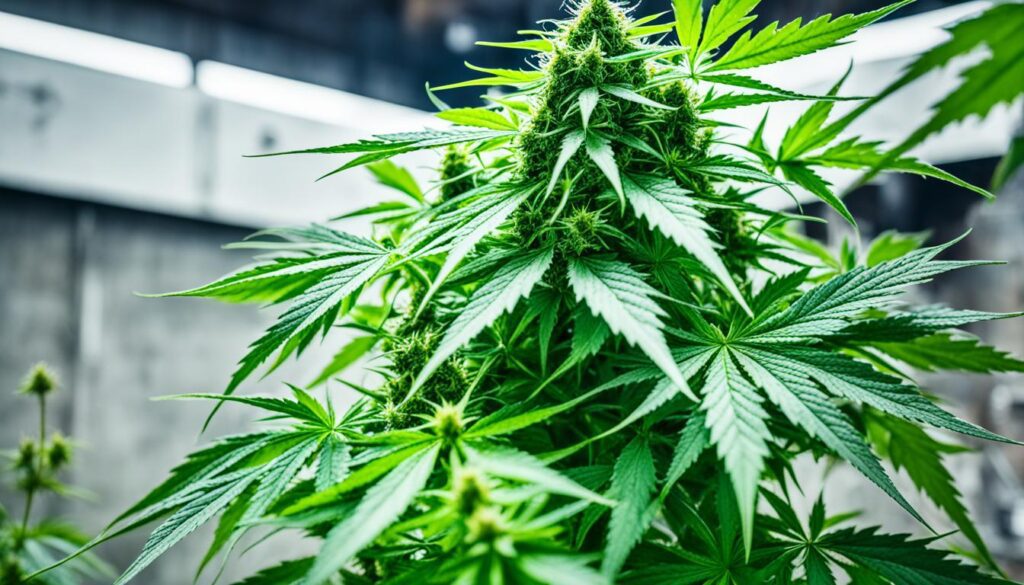
Bareilly is having a moment. In early 2026 reporting, the city was described as recording tourism numbers comparable to Goa, linked to a major “Nath Corridor” push around the Alakhnath temple and a broader rebrand as a Hindu pilgrimage hub. (The Economic Times) That surge in attention is exactly the kind of thing that brings new visitors, new searches, and new misunderstandings, including the evergreen question: “weed in Bareilly.”
Here’s the reality: India’s cannabis laws are strict, and tourist-friendly assumptions can go wrong fast. I can’t help with buying, finding, or using illegal drugs. What I can do is give you a clear, travel-first guide: how cannabis is defined under Indian law, why bhang confuses people in Uttar Pradesh, what Bareilly’s own district excise pages show about bhang licensing, and how to enjoy Bareilly’s vibe safely.
Bareilly’s Cannabis Reality in One Paragraph
Under India’s NDPS Act, “cannabis (hemp)” includes charas (resin) and ganja (flowering/fruiting tops), while seeds and leaves are excluded only when not accompanied by the tops. (PMC) That definition is the reason “bhang” (often leaf-based) can be regulated differently in some states—yet “weed” as most travelers mean it (ganja/charas/hashish) remains illegal and risky. In Bareilly specifically, the district administration’s excise e-lottery pages list Bhang as an official shop category for 2025–26 (separate from model/composite/country liquor), which signals a regulated, licensed pathway for bhang retail—not legalization of recreational THC cannabis.
Why People Search “Weed in Bareilly”
Bareilly’s current story encourages assumptions:
- A tourism surge means “looser vibes.” When cities boom, visitors assume rules soften. (They don’t.)
- Pilgrimage + festival narratives often overlap with bhang folklore, especially in North India.
- Big-city convenience effect: People think a larger, busier place is anonymous and “easy.”
- Online confusion: “Bhang is legal” gets translated into “weed is legal,” which is not the same thing.
Bareilly’s changing identity (more visitors, more infrastructure, more attention) is real. (The Economic Times) But none of that turns cannabis into a safe tourist activity.
Key Cannabis Terms in India: Ganja, Charas, and Bhang Are Not Interchangeable
A lot of traveler mistakes start with vocabulary:
- Ganja: the flowering/fruiting tops of the cannabis plant (what many tourists mean by “weed”).
- Charas / hashish: resin from the plant.Bhang: typically leaf-based preparations, often tied to cultural practices.
Legally, NDPS draws a bright line: ganja and charas are explicitly part of “cannabis (hemp),” and the definition specifically excludes seeds and leaves when not accompanied by the tops. (PMC) That “tops vs leaves” detail is the engine behind most of the confusion.
What Indian Law Actually Says: The NDPS Definition That Drives Everything
If you want one citation-worthy legal core for your article, use this:
NDPS defines “cannabis (hemp)” to include:
- charas (separated resin, including preparations like hashish oil),
- ganja (flowering or fruiting tops, excluding seeds/leaves when not accompanied by tops), and
- mixtures/drinks prepared from those forms. (PMC)
This matters because most tourists are not looking for “leaves without tops.” They’re looking for THC flower or resin. That’s squarely within NDPS-controlled cannabis.
Penalties and Consequences: Why “Just a Little” Is Not a Travel Strategy
I’m not going to list a how-to on NDPS loopholes or thresholds. What matters for visitors is the structure:
- India treats narcotics offences seriously, and legal outcomes can depend on the nature of the offence and how quantity is categorized and proven.
- Even when people believe they’re dealing with “small” amounts, travel adds risk: transport hubs, hotel checks, random disputes, scams, and misunderstandings.
If your goal is a smooth trip, cannabis is a high-variance bet in India—especially in a city currently receiving heightened attention and visitor traffic.
The Bhang Confusion in Uttar Pradesh: What Bareilly’s Official Excise Pages Show
Here’s the most locally-specific point you can include without drifting into unsafe territory:
Bareilly district’s official excise pages for 2025–26 list Bhang as a shop type alongside model/composite/country liquor shops, with e-lottery notifications and results pages. In the 2025–26 result listing, the district page explicitly shows “Bhang – 6” shops in the shop-type table (with a “See Result” link).
This supports a careful, accurate explanation:
- Bhang can exist inside an excise/licensing framework in UP.
- That does not mean “weed is legal in Bareilly.”
- It does mean the city sits inside a state system where bhang retail can be formally allocated and administered.
If you want an additional formal reference for how UP frames bhang retail licensing, India Code hosts a PDF titled “Uttar Pradesh Excise (Settlement of Licenses for Retail Sale of Bhang) Rules, 2025.” (India Code)
What Tourists Get Wrong in Bareilly
These are the patterns that most often turn a “curious” trip into a stressful one:
- Treating bhang culture as permission for THC weed. The NDPS definition distinction is not a free pass. (PMC)
- Asking strangers where to find weed. This increases scam risk and personal safety risk.
- Assuming a tourist boom means less enforcement. A city with rising tourist numbers often sees more scrutiny and more opportunists. (The Economic Times)
- Carrying anything while moving around. Transit days amplify risk and stress.
If You Came for “Weed Vibes,” Bareilly Has a Better Offer: Temple Calm and City Rhythm
Most travelers chasing weed are really chasing outcomes:
- slowed thoughts
- softer evenings
- a “cinematic” walk
- deeper sleep
Bareilly can give you that through place and routine, especially if the Nath Corridor/pilgrimage energy is part of what brought you. Recent reporting connects Bareilly’s tourism surge to development around the Alakhnath temple and a spiritual-corridor style project. (The Times of India)
A practical way to write this: Bareilly is a “slow-focus city” right now. The best version of the trip is the one where you lean into that slow focus.
Alakhnath and the Nath Circuit: The New Center of Gravity
Bareilly’s rebrand story is being told around its Nath legacy, with Alakhnath temple positioned as a central anchor in multiple reports. (The Times of India)
For a weed-themed travel guide (without promoting anything illegal), you can frame Alakhnath as:
- a “quiet attention” stop: the kind of place that naturally slows your breathing
- a “structured calm”: your day has a center point, so your mind stops spinning
Tripadvisor’s listing reflects Alakhnath as a notable local attraction, and it’s useful as a mainstream reference point for visitors building an itinerary. (Tripadvisor)
Trivati Nath and the “Four Nath Temples” Idea: A Walking Ritual Instead of a High
A nice way to make your Bareilly article feel different from other India city posts is to structure it like a pilgrimage walk rather than a nightlife hunt.
Tripadvisor notes Trivati Nath as one of four Nath temples in Bareilly (alongside Alakhnath and others), which gives you a clean narrative spine: build a route, take it slow, and let the city create the mood. (Tripadvisor)
This is also safer: you spend your energy on walking, observation, and food rather than risky decisions.
The 2026 Tourism Surge: Why It Changes Visitor Experience (and Risk)
Two separate early-2026 reports describe Bareilly’s tourism numbers as extraordinarily high—one stating it matched Goa’s domestic tourist count in the cited state data, and another emphasizing a transformation into a Hindu tourism hub around the Nath Corridor. (The Economic Times)
For your article, this matters because it affects:
- crowds (more people around temples and corridors)
- pricing (hotels, taxis)
- scams (tourist-heavy cities attract opportunists)
- stress (more stimulation means a higher chance that intoxicants trigger anxiety)
A strong “weed in Bareilly” guide should explicitly tell readers: if you want chill, don’t add chaos to a city that’s already buzzing.
A Safer “Chill” Itinerary in Bareilly That Doesn’t Depend on Cannabis
Here’s a practical itinerary that gives the same mellow payoff people seek from weed:
- Morning: temple circuit start (choose one Nath temple and spend real time there) (Tripadvisor)
- Midday: long lunch + shaded rest (Bareilly days can be draining; build in a slow middle)
- Late afternoon: second temple stop or quiet neighborhood walk
- Evening: early dinner + early finish (sleep is the strongest “high” you can take home)
If you’re writing this for SEO, label it something memorable, like “The Low-Drama Bareilly Day.” Your audience will understand exactly what you’re offering.
Health and Safety: Why Intoxicants Often Make North India Trips Worse
Even ignoring legality, intoxicants can magnify travel problems:
- dehydration and heat fatigue
- food experimentation + intoxication = nausea risk
- anxiety/paranoia in unfamiliar environments
- poor navigation decisions in busy streets
If your reader’s goal is calm, the best method is routine: water, shade, slow walks, and early nights.
“Is Bhang Safe Because It’s Licensed?” Not Automatically
Even when something is regulated (like bhang retail licensing frameworks in UP), it’s still an intoxicant category, and “regulated exists” does not mean “risk-free.”
Your job in this article is to prevent two common mistakes:
- equating bhang’s regulated status with weed legalization
- equating “traditional” with “safe for every traveler”
The clean message: don’t improvise with intoxicants while traveling.
FAQs
Is weed legal in Bareilly?
“Weed” as most travelers mean it (ganja/charas) is covered by the NDPS definition of “cannabis (hemp),” which includes flowering/fruiting tops (ganja) and resin (charas). (PMC)
Why do people say bhang is legal in Uttar Pradesh?
Because NDPS excludes seeds and leaves when not accompanied by the tops, which creates legal space for leaf-based preparations to be regulated differently by states. (PMC)
Does Bareilly officially have bhang shops?
Bareilly district’s excise e-lottery pages for 2025–26 list Bhang as a shop category and show bhang shop counts and results links.
Does a bhang licensing system mean cannabis is legal in Bareilly?
No. It indicates a regulated retail category for bhang within excise administration, but it does not legalize ganja/charas or recreational THC cannabis.
What’s a safe way to get “weed vibes” in Bareilly without weed?
Do slow travel: Nath temple circuit walking, long meal breaks, evening people-watching, and an early night. Bareilly’s current pilgrimage-tourism energy is built for that pace. (The Times of India)
Why does Bareilly feel more crowded lately?
Recent reporting attributes a major tourism surge to the Nath Corridor development and Bareilly’s rebrand as a Hindu pilgrimage hub. (The Economic Times)
Outbound Links (Just 3 Authoritative Marijuana Websites)
https://norml.org
https://www.leafly.com/learn
https://projectcbd.org
References
- Bareilly district (official): Excise e-lottery result page for 2025–26 listing shop types and showing Bhang as a category (with counts).
- Bareilly district (official): Excise e-lottery notification page for 2025–26 (includes bhang in the shop categories).
- India Code PDF: Uttar Pradesh Excise rules for settlement of licenses for retail sale of bhang (2025). (India Code)
- NDPS definition explanation (NLM/PMC review quoting the NDPS definition of cannabis/ganja/charas and the leaves/seeds exclusion). (PMC)
- NDPS statutory text (Indian Kanoon) showing the formal definition of “cannabis (hemp).” (Indian Kanoon)
- 2026 news reporting on Bareilly’s tourism surge and Nath Corridor/pilgrimage rebrand. (The Economic Times)
- Tripadvisor attraction pages for Bareilly Nath temples (Alakhnath; Trivati Nath). (Tripadvisor)
Conclusion
Bareilly’s vibe can feel like it’s built for “mellow travel”—especially now, with a highly publicized tourism surge tied to pilgrimage-focused development. (The Economic Times) But cannabis is not a safe tourist activity here. Under NDPS, ganja and charas fall clearly within the legal definition of “cannabis (hemp),” while bhang’s special status in places like Uttar Pradesh comes from the legal distinction around leaves/seeds versus flowering tops. (PMC)
Bareilly’s own district excise e-lottery pages show bhang as an officially administered shop category for 2025–26—evidence of regulated retail in that narrow lane, not legalization of recreational weed.
If your goal is genuinely chill, Bareilly gives you a better plan: slow temple-circuit walking, long meal breaks, and early nights that leave you rested instead of worried. That’s how you “discover Bareilly” without discovering problems.
When it comes to marijuana products, ScentHub offers an extensive selection of some of the highest quality items I’ve come across. I’ve tried a variety of strains, edibles, and concentrates, and the quality has consistently been outstanding. The flowers are always fresh, fragrant, and potent. I’ve had the chance to try both Sativa and Indica strains, and the effects have been exactly as described. Contact them on email: Scenthub43@gmail.com and also there Telegram : t.me/Scenthub43
Wow they have an option for me. The variety in their selection means that no matter my experience level, I’ll find a product that fits my needs. highly recommended .
I can say without hesitation that ScentHub has earned my loyalty. From the quality of the products to the exceptional customer service.

They don’t pressure you into buying anything you’re not ready for, which is a huge relief. It feels more like a conversation with a trusted friend rather than a hard sell. highly recommended!!