
Weed in Biên Hòa: Industrial Vietnam Next to Saigon, Strict Drug Laws, and Why “Low-Key” Can Still Go Sideways
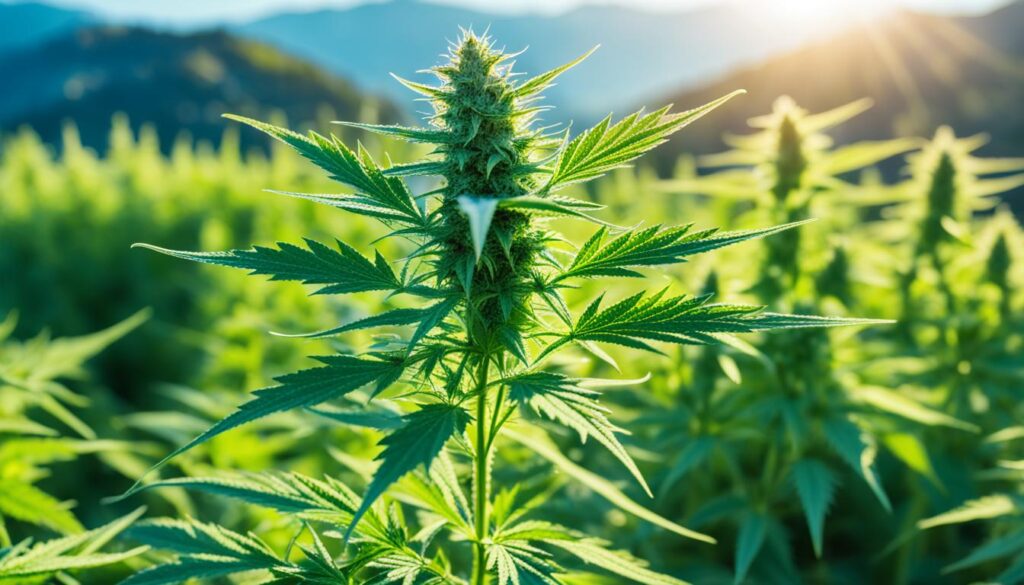
Biên Hòa sits on the edge of Vietnam’s biggest southern metro gravity well. It’s roughly 30 km northeast of Ho Chi Minh City, on the Đồng Nai River, and it has long been known as a major industrial and transport hub rather than a beachy tourist town. (Encyclopedia Britannica) That context matters because many travel mistakes with cannabis happen in places that feel “normal” and non-touristy: industrial cities, commuter corridors, and suburbs where visitors assume they’ll blend in/weed in Bien Hoa.
Vietnam’s drug laws are widely recognized as strict, and the legal framework distinguishes between offenses like possession, transportation, and trading/trafficking of narcotics in Vietnam’s Criminal Code. (bwcimplementation.org) In practice, the risk isn’t only “what you intended,” but how authorities interpret circumstances—especially when you’re moving around, messaging, or near transport routes.
This guide is written for harm reduction and travel awareness. It does not explain how to find, buy, or use illegal drugs.
Why Biên Hòa Is a Different Kind of Vietnam Trip/weed in Bien Hoa
If you’re imagining Vietnam as Hội An lanterns, Đà Nẵng beaches, or backpacker streets in District 1, Biên Hòa feels different. It’s described as a key industrial hub near Ho Chi Minh City with multiple industrial zones and major road connections. (Wikipedia) Britannica also frames it as a city on the left bank of the Đồng Nai River, tied to the southern economic region. (Encyclopedia Britannica)
That “working-city” identity changes the social environment:
- Fewer tourists means less tourist camouflage.
- Day-to-day life is more visible: markets, commuter traffic, factory shifts.
- Security and local attention can rise quickly when someone looks confused, impaired, or disruptive in public.
If your goal is a smooth Vietnam experience, Biên Hòa is a place where being low-drama and rule-aware pays off.
A Quick Snapshot of the City
Biên Hòa has been described as a Class-1 provincial city and one of Vietnam’s larger cities by population, with summaries citing over 1.2 million residents (2022 figure in commonly used references). (Wikipedia) It’s also repeatedly characterized as an industrial center with long-established industrial parks and ongoing redevelopment plans. (Wikipedia)
There’s also been administrative restructuring in Vietnam affecting city-level units; widely circulated summaries note changes around July 1, 2025 connected to broader administrative reforms. (Wikipedia) (For travelers, the real implication isn’t paperwork—it’s that this is a major urban area in a heavily managed region.)
Vietnam and Cannabis: The Core Reality/weed in Bien Hoa
In Vietnam, cannabis is treated as an illegal drug. The country’s Criminal Code framework addresses narcotics offenses explicitly, and English translations commonly reference:
- Article 249: illegal possession of narcotics
- Article 250: illegal transportation of narcotics
- Article 251: illegal trading of narcotics (bwcimplementation.org)
The key point isn’t memorizing article numbers. It’s understanding that Vietnam’s legal system separates “having,” “moving,” and “selling” into different categories—categories that can carry very serious consequences.
The Traveler’s Trap: “It’s Just Personal Use”
A common visitor mindset is: “I’m not selling; I’m not hurting anyone; it’s personal.” Vietnam’s framework doesn’t revolve around traveler intent; it revolves around defined offenses and facts.
Why this matters in a place like Biên Hòa:
- Biên Hòa is built around movement (roads, commuting, logistics). (Vinpearl)
- Movement can change how a situation is interpreted, because “possession while traveling” can look like “transport” in the wrong circumstances. (bwcimplementation.org)
- Industrial-city settings can amplify scrutiny if anything appears transactional or organized.
This is why harm reduction here is not about “doing it smarter.” It’s about not doing it at all.
2025 Legal Reforms and the Death-Penalty Headlines
Vietnam made significant reforms effective July 1, 2025, reducing the number of death-eligible crimes. Reuters reported the National Assembly abolished the death penalty for eight crimes and said Vietnam would retain capital punishment for ten crimes including drug trafficking. (Reuters)
AP, covering the same reform package, reported that the eight crimes removed from death-penalty eligibility included drug trafficking. (AP News)
Vietnam News also discussed the scaling back of death-eligible crimes (18 down to 10) and framed the move as removing capital punishment from major offences. (vietnamnews.vn)
What you should take from this as a traveler:
- Vietnam’s legal framework is strict enough that changes make international news. (Reuters)
- Even when capital eligibility is debated across reports, the broader truth remains: drug offenses in Vietnam can still result in extremely severe punishment and life-altering legal processes. (Reuters)
If a destination’s drug policy requires parsing news reports to guess your risk, the travel-smart move is to avoid the risk entirely.
Why Biên Hòa Can Feel “Safe” While Being Legally High-Risk
Biên Hòa doesn’t feel like a party city, and that can be deceptive. It’s easier to make a mistake in calm places because you’re not on alert.
Three Biên Hòa factors that quietly raise risk:
- Local-first environment: Fewer tourists means you stand out more. (Encyclopedia Britannica)
- Industrial-city routines: Logistics and commuting corridors mean movement is normal, but scrutiny can spike when something looks suspicious. (Wikipedia)
- Urban scale: A large population city means more eyes, more policing infrastructure, and more chance that a small disturbance becomes a “real incident.” (Wikipedia)
“Possession vs Transportation vs Trading”: The Line You Don’t Fully Control
Vietnam’s Criminal Code separates possession, transportation, and trading of narcotics. (bwcimplementation.org) Travelers get into trouble when they assume they control how their actions are categorized. In reality:
- Facts and context matter.
- Communication patterns matter.
- Association with others matters.
- Movement between places matters.
In strict legal environments, “I didn’t mean to” is not a reliable safety plan.
Health Harm Reduction: The Part That Actually Protects You
Even in places where cannabis is legal, travel cannabis often produces anxiety, nausea, confusion, or panic—especially when layered with:
- jet lag
- dehydration
- heat and long walking days
- alcohol
- unfamiliar surroundings
In Vietnam, those health risks stack with legal risk because public panic or disruptive behavior can attract attention quickly. The best harm reduction in Biên Hòa is simply not creating situations that could become a public emergency.
If you want science-first education on cannabinoids (especially CBD), Project CBD is a solid reference for general learning. (Outbound link 1 of 3)
Project CBD: https://projectcbd.org/
Legal Alternatives: How to Get the “Outcome” Without the Risk
Most travelers looking up “weed in Biên Hòa” aren’t hunting chaos. They usually want one of these:
- better sleep
- less stress
- appetite support
- mood lift
- a softer evening
In Biên Hòa, the lowest-risk way to get those outcomes is to build a legal “decompression system” that fits the city’s reality:
- Daylight + movement: morning light and a walk do more for sleep than people expect.
- Hydration + meals: industrial cities can mean long travel days; stable meals reduce anxiety spikes.
- Massage/wellness through reputable venues: choose mainstream providers rather than anything sketchy.
- Quiet evenings: a calm café and early rest can outperform a substance-driven plan when you’re traveling.
For broader cannabis law and reform context across countries (useful for comparison, not as Vietnam legal advice), NORML is a long-running resource. (Outbound link 2 of 3)
NORML: https://norml.org/
For general consumer education on cannabis effects (timing, tolerance, why anxiety happens), Leafly is widely used. (Outbound link 3 of 3)
Leafly: https://www.leafly.com/
What If You Use Cannabis Medically at Home?
If cannabis is part of your health routine at home, Vietnam travel requires a different mindset. Vietnam’s criminal code framework for narcotics offenses is explicit and strict/weed in Bien Hoa. (bwcimplementation.org)
Safer travel planning looks like this:
- Don’t assume “medical use” is recognized the way it is in your home country.
- Don’t assume CBD is automatically permitted or treated casually.
- Plan symptom management legally: sleep routine, massage, pacing, hydration, and lawful medications with proper documentation.
If your condition is serious, speak with a clinician before travel to build a legal alternative plan.
The “Don’t Turn It Into a Scene” Rule in a Local City
Biên Hòa is not built around tourists, so the fastest way to attract negative attention is to become an obvious disturbance.
If you’re trying to keep your trip smooth/weed in Bien Hoa:
- Avoid loud public arguments.
- Avoid acting impaired in public.
- Avoid risky late-night wandering in unfamiliar neighborhoods.
- If you feel unwell, prioritize safety and medical care rather than panic behavior.
Calm, boring, respectful travel behavior reduces risk in any country—especially in strict jurisdictions.
FAQs
Is weed legal in Biên Hòa?
No. Cannabis is treated as an illegal drug in Vietnam. Vietnam’s Criminal Code contains defined narcotics offenses covering possession, transportation, and trading/weed in Bien Hoa. (bwcimplementation.org)
Which law covers drug possession in Vietnam?
English translations of Vietnam’s Criminal Code commonly reference Article 249 for illegal possession of narcotics, with related provisions for transportation and trading (often referenced as Articles 250 and 251). (bwcimplementation.org)
Why is Biên Hòa riskier than tourists expect?
It’s a large, local-first industrial city near Ho Chi Minh City. Less tourist camouflage plus strict drug laws makes mistakes more likely to escalate. (Encyclopedia Britannica)
Didn’t Vietnam change death penalty rules in 2025?
Yes—Vietnam narrowed death-eligible crimes effective July 1, 2025, but credible reporting has differed on whether drug trafficking was included among removed categories. (Reuters) Regardless, Vietnam’s drug-law environment remains very strict, with severe penalties and high legal risk. (Reuters)
Is Biên Hòa a tourist destination?
It’s better understood as a major city and industrial/transport hub in Đồng Nai near Ho Chi Minh City, rather than a tourism-first spot. (Encyclopedia Britannica)
What’s the safest advice for travelers?
Avoid illegal cannabis entirely in Vietnam. Use legal alternatives for relaxation (sleep routine, hydration, reputable wellness services, calmer evenings).
References
Biên Hòa city context
- Britannica overview of Biên Hòa’s location near Ho Chi Minh City and on the Đồng Nai River (Encyclopedia Britannica)
- General summaries describing Biên Hòa’s scale, industrial role, and major transport importance (Vinpearl)
- Population and city-profile context in widely used references (Wikipedia)
Vietnam legal framework
- English translation of Vietnam’s Criminal Code referencing narcotics offenses including Articles 249–251 (bwcimplementation.org)
2025 reforms context
- Reuters report on July 1, 2025 reforms and retained death-eligible crimes including drug trafficking (as reported by Reuters) (Reuters)
- AP report describing reforms and listing drug trafficking among removed death-penalty crimes (as reported by AP) (AP News)
- Vietnam News discussion of scaling back death-eligible crimes (vietnamnews.vn)
Outbound links (3)
- Project CBD — https://projectcbd.org/
- NORML — https://norml.org/
- Leafly — https://www.leafly.com/
Conclusion
Biên Hòa is a big, local-first city near Ho Chi Minh City—industrial, river-linked, and constantly in motion. (Encyclopedia Britannica) In Vietnam, that’s not a backdrop for casual cannabis risk. The Criminal Code explicitly defines narcotics offenses such as possession, transportation, and trading, and recent legal reforms have kept Vietnam’s drug policy in the category of “serious enough to make global headlines.” (bwcimplementation.org)
If you want a smooth trip through southern Vietnam, the smartest move is to leave illegal cannabis out of the plan and build your relaxation legally: good sleep rhythm, hydration, food consistency, and reputable wellness services. In Biên Hòa, staying low-drama isn’t just good manners—it’s the safest way to travel.
When it comes to marijuana products, ScentHub offers an extensive selection of some of the highest quality items I’ve come across. I’ve tried a variety of strains, edibles, and concentrates, and the quality has consistently been outstanding. The flowers are always fresh, fragrant, and potent. I’ve had the chance to try both Sativa and Indica strains, and the effects have been exactly as described. Contact them on email: Scenthub43@gmail.com and also there Telegram : t.me/Scenthub43
Wow they have an option for me. The variety in their selection means that no matter my experience level, I’ll find a product that fits my needs. highly recommended .

I can say without hesitation that ScentHub has earned my loyalty. From the quality of the products to the exceptional customer service.
“I was struggling with insomnia, and they found the perfect edible for me, Thank you”
Mine helped my dad find a tincture for his arthritis, highly recommended.
You’ve helped me smile again.