
Weed in Kampong Chhnang: An Overview
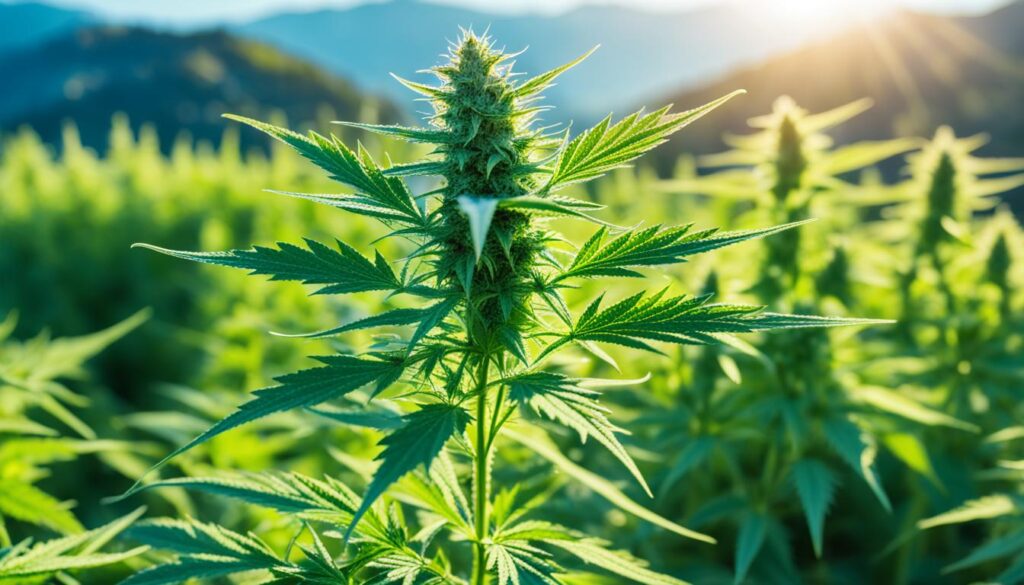
Kampong Chhnang (កំពង់ឆ្នាំង) is a central Cambodian province known for its floating villages, rice paddies, and scenic Tonlé Sap waterways. It’s not one of the major tourist hubs like Phnom Penh, Siem Reap, or Sihanoukville, and its cannabis-related scene is even more subdued.
However, assumptions about cannabis legality and availability in Cambodia—often based on tourist anecdotes from bigger cities where informal “happy” menus or tolerance are reported—are misleading and can lead to serious legal trouble. The national legal framework strictly prohibits cannabis: cultivation, possession, use, sale, export, import, and trafficking are all criminal offenses.(LegalClarity)
This article unpacks:
- Cambodia’s legal stance on cannabis
- What that means on the ground in Kampong Chhnang
- Cultural realities and traveler risks
- Common misconceptions vs. the real legal picture
- Health and safety concerns
- FAQs
- A conclusion summarizing key takeaways
All advice here is informational and not legal counsel.
Cambodia’s National Cannabis Law: The Hard Legal Line/weed in Kampong Chhnang
Cambodia’s cannabis law is clear in text: cannabis is illegal. The Law on Drug Control prohibits not only recreational and medical use, but also cultivation, sale, possession, transport, and all associated activities without a special license or explicit legal exception.(LegalClarity)
Key legal points include:
- Cannabis plants and derivatives are categorized as controlled narcotic substances.
- Unauthorized possession, cultivation, or sale can trigger criminal liability.
- Severe penalties are prescribed for trafficking and large-scale activities, including long prison sentences and fines.
- Even small amounts can result in detention, fines, or imprisonment depending on the context.(LegalClarity)
Although historically enforcement was sporadic, especially in the early 2000s, recent reporting and commentary confirm that the legal framework remains firm—and the government has publicly rejected moves toward legalization.(Wikipedia)
There is no legal framework for medicinal cannabis, nor is there a legal distinction between THC vs. CBD products in Cambodian law. Many travelers mistakenly think “CBD oil” might be safe; however, without legal thresholds or classification, all cannabis plant derivatives are treated as illegal narcotics.(Flavor365)
What This Legal Reality Means in Kampong Chhnang
Kampong Chhnang is not a cannabis legalization zone, and it does not have established dispensaries, licensed markets, or regulated products. Any cannabis found there is part of the illicit market.
In big Cambodian cities, some restaurants have historically served “cannabis-infused foods” (like happy pizza), but this is part of an informal, unregulated culture that exists despite the law, not because of it.
- Cannabis use is far less visible.
- Enforcement is more dependent on local police practice.
- There’s typically less informal tolerance than in major tourist centers.
- The legal risk can actually be higher for foreigners, due to ambiguity and local enforcement discretion.
In other words: just because you might see travelers talk about “weed availability” or “happy menus” in Phnom Penh or Siem Reap does not mean that such a culture exists in Kampong Chhnang, and it certainly doesn’t make cannabis legal there.(Wikipedia)
Cambodia’s Cultural Context Around Cannabis/weed in Kampong Chhnang
Cannabis has a long history in Cambodia, including traditional medicinal and culinary uses. Historically it was grown and used in rural areas. However, that cultural legacy does not translate into legal protection or sanctioned recreational use today.(Wikipedia)
What you might hear:
- Older generations recalling traditional uses of herbal plants.
- Reports from travelers about cannabis products in certain urban cafes.
But it’s critical to distinguish:
- Traditional or informal practice vs.
- Legal, regulated, or protected status.
In fact, the Cambodian government has repeatedly emphasized its commitment to maintaining cannabis’ illegal status, rejecting legalization models seen in neighboring countries.(Wikipedia)
Enforcement Reality: The Law vs. What Travelers See
Cambodia’s drug laws give authorities broad powers to detain and prosecute individuals involved in cannabis offenses. However, in practice enforcement varies:
- Strictly applied for trafficking or cultivation cases.
- Inconsistently applied for small occasional possession.
- More visible enforcement against harder drugs (e.g., methamphetamine) than cannabis in some areas.
This inconsistency creates a false sense of safety for travelers. Anecdotes of police “turning a blind eye” or informal tolerance in some cities should not be interpreted as legal protection. Anyone — local or foreign — can be arrested for cannabis offenses.(Wikipedia)
Kampong Chhnang’s local police may be less geared toward drug enforcement than big urban centers, but that does not change the law: cannabis remains illegal and subject to prosecution.(LegalClarity)
Cannabis Availability in Kampong Chhnang: What to Expect
Unlike Phnom Penh or Siem Reap, where some travelers have reported “availability” of cannabis products in informal contexts, Kampong Chhnang has no established cannabis culture or visible informal market for visitors. Any cannabis use there will almost certainly be underground and unregulated.
This means:
- No legal dispensaries or shops.
- No tourist-oriented cannabis restaurants.
- No public street sales lawfully tolerated.
- Any offer of cannabis is part of the illegal market.
Approaching people about cannabis, especially in a smaller community, can increase legal risk. There are no official venues or safe spaces to consume cannabis in Campbell Chhnang. This is important for travelers to understand.(Wikipedia)
Cannabis and Travel Risk: Customs & Entry Points
Cambodia’s border controls do not differentiate cannabis from other illegal narcotics at customs checkpoints. Importing cannabis, cannabis flowers, oils, edibles, or CBD products — even if legal in your home country — is considered drug trafficking and treated severely.(Zennjet)
This includes:
- Airport baggage
- Checked luggage
- Personal items
- Transit stops
The safest travel guidance from official sources is to not bring anything cannabis-related into the country. Customs, police, and drug enforcement officials may confiscate items, detain individuals, or pursue prosecution without regard to whether the traveler “thought it was safe.”(Zennjet)
Misconceptions Travelers Often Have/weed in Kampong Chhnang
There are several common misunderstandings that lead visitors into risky situations:
“Cannabis is legal because I saw happy pizza menus.”
This belief comes from tourist cities where some restaurants serve cannabis infusions despite illegality. That informal practice does not equate to legal protection.(Wikipedia)
“Police won’t enforce cannabis laws.”
Anecdotes about lax enforcement reflect inconsistent practice, not legal acceptance. Enforcement can vary by region, officer, and circumstance — meaning you cannot predict how authorities will act.(Wikipedia)
“CBD is safe to bring.”
Cambodian law does not legally distinguish CBD from other cannabis plant derivatives. Without a legal framework, customs and police may treat CBD the same as THC cannabis.(Flavor365)
“I’m foreign, so I’ll be left alone.”
Foreign nationality does not protect you from Cambodian law. In some cases, arrests of expatriates and travelers have been reported for drug-related charges, including cannabis.(Grokipedia)
Health and Safety Concerns
Even in regions where cannabis use is tolerated socially, health and safety risks are real and compounded by travel contexts:
- Unknown potency and quality of illicit products.
- Variable dosing in edibles and infused foods.
- Adulterants or contaminants in black-market cannabis.
- Delayed onset effects leading to unintentional overconsumption.
- Interactions with alcohol or other substances.
In a place without regulated products, these risks are elevated. Furthermore, if a medical incident happens while consuming cannabis, fear of legal consequences may delay seeking help — worsening outcomes. This applies especially in smaller provinces like Kampong Chhnang where medical infrastructure is less robust.(Flavor365)
Cultural Sensitivity and Local Norms
Cambodian society places value on respect for community standards and law. Seeking out illegal substances or consuming them publicly can attract unwanted attention and conflict with local norms.
This is especially relevant in Kampong Chhnang:
- Smaller communities with closer social bonds.
- Less anonymity for visitors.
- Local attitudes may lean more conservative.
Understanding these local dynamics is important for respectful travel conduct.
FAQs About Weed in Kampong Chhnang
1. Is cannabis legal in Kampong Chhnang?
No. Cannabis is illegal across all of Cambodia, including Kampong Chhnang, under the national Law on Drug Control.(LegalClarity)
2. Can I buy cannabis in Kampong Chhnang?
There are no legal outlets; any cannabis available would be part of the illicit market and carries legal risk.(Wikipedia)
3. What happens if I am caught with cannabis?
Penalties can include fines, detention, prison time, and deportation. The severity depends on the amount and context. Enforcement varies by case.(LegalClarity)
4. Is hemp or CBD safe to bring into Cambodia?
Cambodia does not distinguish CBD from illegal cannabis derivatives, so bringing CBD products can still trigger legal consequences.(Flavor365)
5. Are cannabis-infused foods in Cambodia legal?
No. Even if offered informally in some restaurants in bigger cities, they are illegal and buying them can put you at risk.(Wikipedia)
6. Do locals use cannabis?
Some use may occur, especially in rural settings, but it is still illegal; casual use does not confer legal protection.(Wikipedia)
7. Is enforcement strict in rural provinces like Kampong Chhnang?
Enforcement can be less visible but remains lawful. Local police still have authority to charge people under drug laws.(LegalClarity)
Outbound Links (Authoritative Cannabis Resources)
Here are three authoritative marijuana websites that provide reliable, objective information about cannabis policy, health effects, and global legal contexts:
- NORML – Cannabis Law and Policy Education (US nonprofit focusing on policy analysis and reform): https://norml.org/
- Leafly – Cannabis Education & Strain Information (large global cannabis information platform): https://www.leafly.com/learn
- Project CBD – CBD Research and Best Practices (education on CBD and cannabinoids): https://projectcbd.org/
References
Sources used to inform the statements in this article:
- Cambodia’s drug law and prohibition status: national Law on Drug Control and legal analysis.(LegalClarity)
- Historical and enforcement context on cannabis in Cambodia.(Wikipedia)
- Traveler risk and customs guidance on cannabis products in Cambodia.(Zennjet)
(Actual legal texts and government publications are recommended for the most accurate and current wording; this article is informational and not legal advice.)
Conclusion
Cannabis in Kampong Chhnang exists in a complex legal and cultural context. While some parts of Cambodia have informal scenes or tourist anecdotes about cannabis use, the law itself remains unequivocal: cannabis is illegal for any purpose, and Cambodia’s Law on Drug Control prohibits possession, cultivation, sale, and trafficking without exception.(LegalClarity)
For travelers and residents alike, this means:
- There is no legal cannabis market in Kampong Chhnang.
- Any cannabis activities are unregulated and illegal.
- The risk of serious legal consequences is real.
- Misconceptions based on larger tourist cities do not apply in this province.
- The safest choice is to avoid cannabis entirely while in Cambodia.
Understanding this context helps ensure that travel to Kampong Chhnang is safe, respectful, and free from legal risk. Focusing on the region’s cultural heritage, waterways, and local cuisine offers a rich experience without navigating the serious hazards associated with illegal drug activity.
When it comes to marijuana products, ScentHub offers an extensive selection of some of the highest quality items I’ve come across. I’ve tried a variety of strains, edibles, and concentrates, and the quality has consistently been outstanding. The flowers are always fresh, fragrant, and potent. I’ve had the chance to try both Sativa and Indica strains, and the effects have been exactly as described. Contact them on email: Scenthub43@gmail.com and also there Telegram : t.me/Scenthub43
Wow they have an option for me. The variety in their selection means that no matter my experience level, I’ll find a product that fits my needs. highly recommended .

I can say without hesitation that ScentHub has earned my loyalty. From the quality of the products to the exceptional customer service.
“I was struggling with insomnia, and they found the perfect edible for me, Thank you”
Mine helped my dad find a tincture for his arthritis, highly recommended.
You’ve helped me smile again.