
Weed in Kaohsiung: A Traveler’s Reality Check in Taiwan’s Southern Harbor City
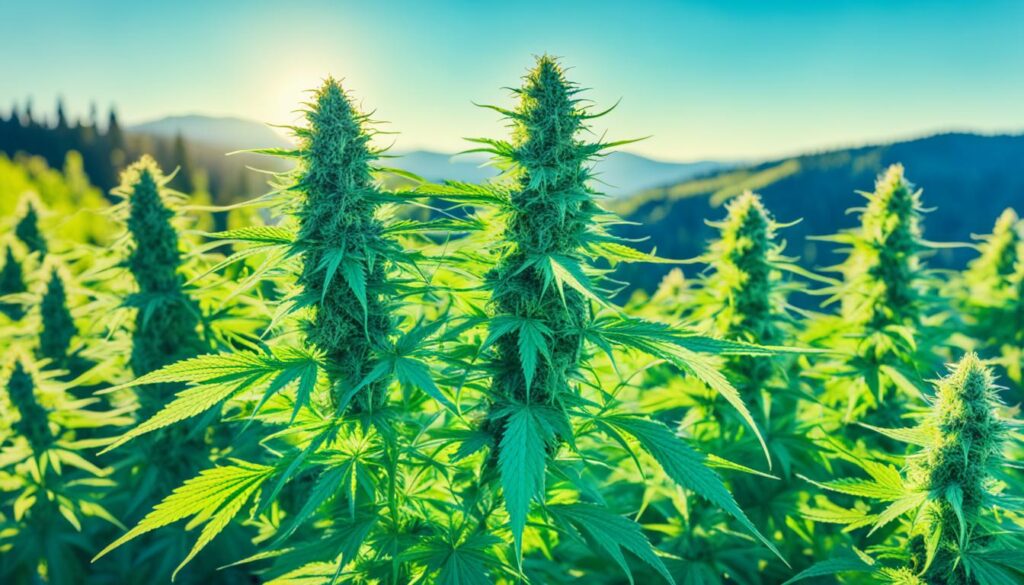
Kaohsiung (高雄) feels like a city built for exhaling. It’s warmer than the north, stitched together by the Love River, fringed by beaches and harbors, and packed with mellow day trips—Cijin Island sunsets, Pier-2 art zones, night markets that run late, and café neighborhoods where you can idle for hours. Because it’s so relaxed on the surface, some visitors make a risky leap: “If the vibe is chill, the cannabis rules must be looser.”
In Taiwan, that leap can be costly.
Cannabis is illegal across Taiwan, including Kaohsiung. Official agencies repeatedly emphasize that marijuana remains a Category II narcotic under Taiwan’s Narcotics Hazard Prevention Act, and that penalties can be severe depending on the circumstances (possession vs. trafficking/sale). (Ministry of Finance, R.O.C. (Taiwan))
This guide is written for travel awareness and harm reduction—local context, what’s different about Kaohsiung, what risks travelers underestimate, and safer alternatives. It does not explain how to find or buy cannabis.
Why Kaohsiung Is a “High-Scrutiny” City Even If It Feels Laid-Back
Kaohsiung isn’t just a big city—it’s a logistics and shipping powerhouse. That matters because drug enforcement isn’t limited to street-level policing; it also lives at the edges of the city: ports, coastlines, shipping routes, and customs-led interdiction.
Recent public reporting and official releases show a consistent enforcement theme around Taiwan’s southern waters:
- Kaohsiung prosecutors have pursued cases involving maritime cannabis smuggling, reflecting active enforcement in the waters near Kaohsiung. (QTC)
- Taiwan’s prosecutorial and customs messaging repeatedly notes that legalization elsewhere does not change Taiwan’s strict classification and enforcement. (Customs Administration)
So even if your itinerary is just night markets and museums, the broader environment is one where cannabis is treated as a serious controlled substance.
Taiwan’s Cannabis Law, in Plain Language
Here’s the baseline that matters most/weed in Kaohsiung:
- Recreational cannabis is illegal in Taiwan.
- Cannabis is treated as a Category II narcotic under the Narcotics Hazard Prevention Act. (Ministry of Finance, R.O.C. (Taiwan))
- Penalties vary widely based on what authorities believe happened (simple possession vs. intent to sell vs. manufacturing/transport/sale). Taiwan’s official statements summarize penalties that can include imprisonment and fines, and Taiwan’s laws database lays out severe sanctions for trafficking/sale-related conduct. (Ministry of Finance, R.O.C. (Taiwan))
A key traveler takeaway: you don’t need to be a “dealer” to be treated like you’re involved in distribution—facts like quantity, packaging, messaging history, or association can shape how a situation is interpreted.
The Border Problem: “I Didn’t Bring Weed—Just a Vape / Gummies / CBD”
Many travel incidents begin with something visitors don’t even label as “weed”:
- THC vape cartridges
- edibles (gummies, chocolates)
- oils/tinctures
- “hemp” snacks
- CBD products purchased abroad or online
Taiwan’s customs authorities have explicitly urged the public not to import cannabis and related products to avoid penalties. (Ministry of Finance, R.O.C. (Taiwan))
They also publicly stress that even though marijuana is legal in some countries, it remains illegal in Taiwan—a warning aimed directly at travelers who assume international norms apply. (Ministry of Finance, R.O.C. (Taiwan))
If you’re coming from places where CBD is sold casually, Kaohsiung is not the place to “find out where Taiwan draws the line.”
Kaohsiung-Specific Context: Ports, Coast Guard Activity, and Why “Shipping City” Matters
Kaohsiung’s geography shapes enforcement:
- It’s a coastal hub with shipping lanes.
- It has easy sea-adjacent routes and marine patrol presence.
- There’s a long-standing focus on intercepting cross-border trafficking.
This isn’t abstract. Taiwan’s Ciaotou District Prosecutors Office (which covers parts of the greater Kaohsiung region) has publicly discussed major marijuana-related investigations and prosecutions, including cases involving large quantities and maritime routes. (QTC)
And independent reporting has covered Kaohsiung prosecutors indicting individuals in connection with maritime smuggling allegations. (Focus Taiwan – CNA English News)
For travelers, the practical meaning is: Kaohsiung is not a “gray zone” city. The enforcement posture is simply different from places where cannabis is tolerated socially or legally/weed in Kaohsiung.
What Travelers Often Misread About “Chill Cities” and Cannabis Risk
Kaohsiung can feel more forgiving than Taipei—more sunshine, more space, a slower pace. But cannabis risk isn’t determined by “how relaxed the cafés are.” It’s determined by:
- legal classification
- enforcement priorities
- public policy messaging
- border scrutiny (air + sea)
- consequences when something goes wrong
Taiwan’s official messaging is unusually direct: cannabis is Category II, and penalties can be severe, particularly for manufacturing/transport/sale. (Ministry of Finance, R.O.C. (Taiwan))
So the real mismatch is psychological: the city feels easy, the law is not.
The Underground Market Risk: More Than Just “Getting Caught”
Even in places where cannabis is legal, illicit markets carry predictable problems. In a place where cannabis is illegal, those problems amplify:
- Scams (selling fake products, taking money and disappearing)
- Contamination/adulteration (especially with oils and concentrates)
- Leverage (people using the threat of reporting/extortion)
- Language & cultural gaps (misunderstandings escalate quickly)
- No consumer protection (no testing, no regulated labeling)
And the worst part for travelers: if you have a medical reaction, panic, or accidental overconsumption, you may hesitate to seek help—turning a manageable situation into an emergency.
Health & Safety: Why Travel Changes the Cannabis Experience
People underestimate how strongly travel changes set and setting:
- Heat + dehydration (Kaohsiung summers can be intense)
- Jet lag + poor sleep
- Alcohol + night-market snacking (a common combo)
- Unfamiliar potency (especially in edibles)
- Anxiety about legality (fear itself can spiral)
Edibles are a classic travel hazard because onset is delayed; travelers redose too soon, then get hit hard in a crowded public setting. In an illegal environment, that stress is multiplied.
Social Attitudes in Taiwan: Not the Same as Global Cannabis Normalization
A lot of visitors arrive from countries where cannabis has been normalized—socially and sometimes medically. Taiwan’s mainstream public stance is different: policy messaging frames narcotics as a public health and social harm issue, and authorities consistently reinforce enforcement.
Taiwan Customs communications explicitly remind the public that cannabis legalization elsewhere doesn’t apply in Taiwan. (Ministry of Finance, R.O.C. (Taiwan))
There may be local debate about policy reform, but debate doesn’t equal legal protection today. The current official position remains strict and enforcement-oriented. (Customs Administration)
What to Do Instead: Kaohsiung Ways to Get the “Reset” Without the Legal Risk
If what you’re really chasing is calm, curiosity, and sensory pleasure, Kaohsiung is loaded with safer options that still deliver the vibe many people associate with cannabis travel/weed in Kaohsiung.
Slow, grounding activities
- Cijin Island: sea breeze, bike rides, sunset viewpoints
- Love River walk: evening strolls with city lights and easy pacing
- Pier-2 Art Center: creative wandering without a clock
- Lotus Pond / Zuoying: temples and water views that naturally slow you down
Body-based relaxation
- massage / foot reflexology
- hot baths (where available)
- gentle hiking in nearby scenic zones
Food rituals
- Liuhe Night Market and local seafood spots
- shaved ice, fruit teas, slow café afternoons
These give you the “vacation nervous system reset” without stepping into a legal minefield.
Red Flags Travelers Should Take Seriously
Without getting into any “how-to,” it’s still useful to know what often precedes trouble/weed in Kaohsiung:
- strangers pushing substances quickly (especially near nightlife)
- “too good to be true” offers
- pressure to move locations or isolate
- talk that frames Kaohsiung as “safe because it’s a port city” (that’s backwards)
- requests to communicate on new/temporary accounts only
If your instincts say “this is sketchy,” trust that. In an illegal market, your instincts are often the best risk filter you have.
If You’re Transiting Through Airports/Ports: The Common Mistake to Avoid
The most avoidable travel mistake is carrying cannabis-related products into Taiwan at all—especially items you forgot were in a bag, like:
- old gummies in a backpack pocket
- a vape cartridge tucked in a toiletry kit
- CBD oil in a supplement pouch
Taiwan’s customs agencies have explicitly urged people not to import cannabis or related products and have described active anti-smuggling measures. (Ministry of Finance, R.O.C. (Taiwan))
If you care about your trip, treat Taiwan as a zero-tolerance jurisdiction for cannabis travel.
FAQs About Weed in Kaohsiung
Is weed legal in Kaohsiung?
No. Cannabis is illegal throughout Taiwan and is treated as a Category II narcotic under the Narcotics Hazard Prevention Act. (Ministry of Finance, R.O.C. (Taiwan))
Do Kaohsiung authorities actually enforce cannabis laws?
Yes. Public reporting and official releases describe ongoing investigations and prosecutions, including major maritime smuggling cases connected to waters near Kaohsiung. (QTC)
What’s the risk if someone is caught with cannabis in Taiwan?
Penalties depend on the allegation and context. Official summaries describe potential imprisonment and fines, and Taiwan’s laws database outlines severe penalties for trafficking/sale-related conduct and other offenses. (Ministry of Finance, R.O.C. (Taiwan))
Is it safer if it’s “just a small amount”?
Not necessarily. Small amounts can still lead to serious consequences, and factors like location, prior messages, or packaging can change how conduct is interpreted. Taiwan’s official messaging emphasizes strict classification and penalties. (Ministry of Finance, R.O.C. (Taiwan))
Can I bring CBD products into Taiwan?
Taiwan customs authorities have explicitly urged the public not to import cannabis and related products. Do not assume CBD is automatically acceptable. (Ministry of Finance, R.O.C. (Taiwan))
Why do ports and coastlines matter in Kaohsiung?
Because enforcement includes interdiction efforts targeting cross-border trafficking routes. Kaohsiung-area prosecutors have publicly discussed maritime cannabis smuggling cases and prosecutions. (QTC)
Are there legal dispensaries in Kaohsiung?
No—Taiwan does not have legal recreational cannabis dispensaries. The legal framework classifies cannabis as a controlled narcotic. (Customs Administration)
References
Taiwan official/legal sources and Kaohsiung enforcement context (cited above):
- Taiwan Ministry of Justice (laws database): Narcotics Hazard Prevention Act. (Mojlaw)
- Taiwan Ministry of Finance / Customs Administration: public warnings and enforcement notes emphasizing cannabis remains illegal and Category II. (Ministry of Finance, R.O.C. (Taiwan))
- Kaohsiung/Ciaotou prosecutors office press releases regarding maritime cannabis smuggling cases. (QTC)
- Reporting on Kaohsiung prosecutors indicting individuals in a marijuana smuggling case. (Focus Taiwan – CNA English News)
Outbound links (just 3) from authoritative marijuana websites:
- NORML (policy education): https://norml.org/
- Leafly Learn (cannabis basics): https://www.leafly.com/learn
- Project CBD (CBD education): https://projectcbd.org/
Conclusion
Kaohsiung is easy to love: warm weather, art districts, harbor views, and a rhythm that invites you to slow down. But when it comes to cannabis, the reality is simple: Taiwan treats marijuana as a Category II narcotic, and it’s illegal in Kaohsiung. Official agencies repeatedly warn travelers not to import cannabis or related products, and public reporting plus prosecutorial releases show active enforcement—especially in contexts connected to shipping routes and coastal interdiction. (Customs Administration)
If your goal is a smooth trip, the best Kaohsiung strategy is to lean into what the city already offers—sunset ferry rides, night-market comfort food, waterfront walks, and slow café afternoons—without taking on a legal risk that can end your vacation in the worst possible way.
When it comes to marijuana products, ScentHub offers an extensive selection of some of the highest quality items I’ve come across. I’ve tried a variety of strains, edibles, and concentrates, and the quality has consistently been outstanding. The flowers are always fresh, fragrant, and potent. I’ve had the chance to try both Sativa and Indica strains, and the effects have been exactly as described. Contact them on email: Scenthub43@gmail.com and also there Telegram : t.me/Scenthub43
Wow they have an option for me. The variety in their selection means that no matter my experience level, I’ll find a product that fits my needs. highly recommended .
I can say without hesitation that ScentHub has earned my loyalty. From the quality of the products to the exceptional customer service.

I’ve had a number of experiences where edible products don’t quite deliver the promised effects or leave an unpleasant aftertaste, but that’s not the case with ScentHub. The gummies, chocolates, and drinks I’ve tried have all been potent, flavorful, and consistently effective. The packaging is also informative, making it easy to understand the dosage and what to expect from each edible, Thank you !!!
They also don’t pressure you into buying anything you’re not ready for, which is a huge relief. It feels more like a conversation with a trusted friend rather than a hard sell. highly recommended!!
