
Weed in Kolkata (India): Laws, Culture, Risks, and Local Realities
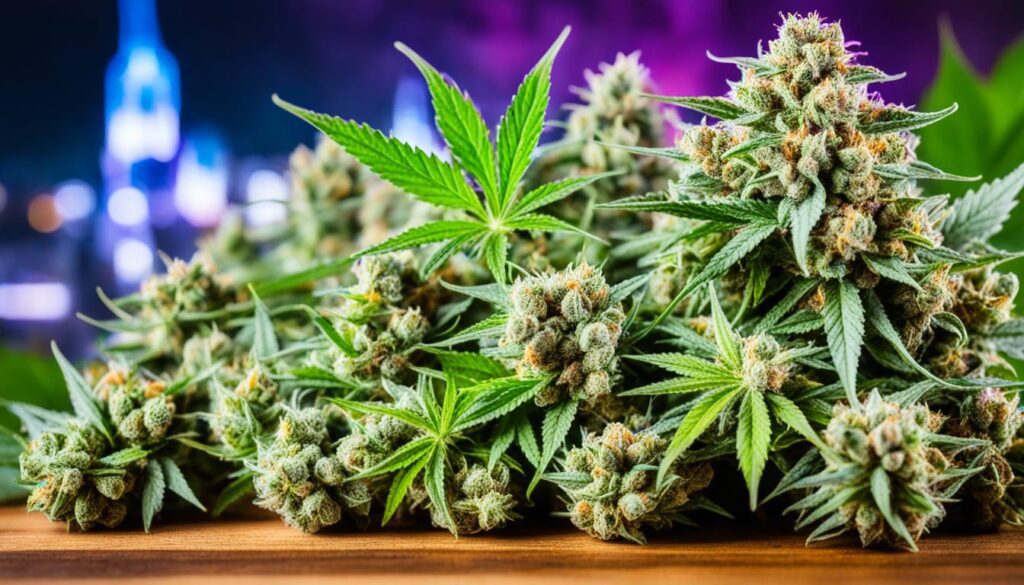
Kolkata (also known as Calcutta) is one of India’s largest and most historic cities—a cultural capital with deep roots in art, literature, philosophy, and community life. As people from around the world explore global cannabis culture and travel, many ask about weed (cannabis) in specific cities—including Kolkata. But to understand the situation clearly, you must start with the legal framework: cannabis in Kolkata is not a straightforward “legal” or “illegal” story like some Western or North American jurisdictions. Instead, it’s shaped by India’s national laws, layered enforcement practices, local culture, and market realities.
This article (approx. 3000 words) offers a comprehensive guide to weed in Kolkata, including legal context, cultural perceptions, health and safety considerations, enforcement patterns, traveler guidance, FAQs, limited outbound links to authoritative marijuana resources, references, and a conclusion that ties it all together.
Cannabis Laws in India: Legal at the National Level? It’s Complicated
To answer the first and central question:
Is cannabis legal in Kolkata?
No, recreational cannabis (weed) is not legal in India, including in Kolkata. However, Indian law does differentiate between parts of the cannabis plant and various preparations, which can confuse both locals and visitors.
Here’s how it works:
The Narcotic Drugs and Psychotropic Substances (NDPS) Act, 1985
Cannabis in India is regulated primarily under the NDPS Act. This national law criminalizes production, possession, sale, purchase, transport, and consumption of “cannabis resin” (charas) and “cannabis (ganja).” However, the NI (NDPS) Act excludes the leaves and seeds of the plant from “cannabis” under certain definitions—meaning the law treats lower-THC plant parts differently than the resin.
Put simply:
- Cannabis resin (charas) and flowering tops (ganja) are illegal to possess, sell, or consume.
- Cannabis leaves and seeds are often excluded from the strictest NDPS prohibitions (though other laws and interpretations can apply).
In practice, courts and law enforcement often treat all forms of recreational cannabis as illegal—especially in urban settings like Kolkata.
Other National Policies and Notes
India is a federal nation, but drug policy enforcement is predominantly governed by national law. State legislation cannot undo NDPS Act prohibitions for cannabis unless the national law changes.
Even where “folk use” of certain plant parts has cultural roots, possession and use can still lead to legal trouble in modern statutory interpretation.
What Happens If You’re Caught With Cannabis in Kolkata?
India’s NDPS Act is stringent and can impose serious penalties based on type and quantity:
- Small quantities for personal consumption: Possession of small amounts can lead to seizure, arrest, fines, and potential imprisonment. Courts may sometimes treat “small quantity” cases with leniency, but it remains a criminal offense unless excised by law reforms.
- Larger quantities or intent to distribute: Penalties rise steeply, potentially including long imprisonment and hefty fines.
- Transport or trafficking: Courts often treat this more seriously than simple possession, with longer sentences.
Police in Kolkata enforce these land-and-city laws; even a small amount of weed found on a person can become grounds for arrest and prosecution, especially if there’s alleged intent to sell.
Cannabis Culture in Kolkata: History and Social Reality
While recreational cannabis is illegal in Kolkata, plant-based preparations have deep cultural roots in some parts of India:
- Traditional use of bhang (a cannabis-leaf preparation) is associated with certain Hindu festivals like Holi and Shivaratri in many regions of India, including Bengal (West Bengal).
- Historically, bhang occupies a cultural niche separate from harder drugs or modern recreational weed culture.
In Kolkata:
- You may encounter bhang offered at local shops festivals during certain times of the year.
- Bhang is not typically the same as the high-THC marijuana flower or hashish many foreign users expect when they say “weed.”
Bhang’s cultural presence often creates confusion: people think “cannabis use is legal” because of bhang’s traditional availability, but that applies only to lower-THC plant leaf preparations under narrow cultural norms, not recreational high-THC weed.
Availability of Cannabis in Practice: What You Might Encounter
In Kolkata, as in many Indian cities, people seeking cannabis often find it through informal markets or social contacts rather than legal stores. Here’s what that looks like:
- Black-market supply: Ganja (marijuana flower) and charas (hashish) are often sold through informal networks, street dealers, or friends—illegally.
- Seizures and enforcement: Police can, and do, seize illegal cannabis deals, particularly if quantities suggest distribution.
- Risky contacts: Buying weed from unknown or unverified sellers puts users at legal risk and potential personal danger (such as scams, theft, violent encounters, or contaminated products).
There is no legal retail cannabis market in Kolkata, and attempting to source weed through illegal channels carries significant risks.
Health and Safety: Cannabis in an Unregulated Setting
Using cannabis obtained on the informal market in Kolkata has health and safety considerations:
- Unknown potency: Street weed can be extremely variable in strength and contamination (with pesticides, heavy metals, mold, etc.).
- Adulterants: Some products may be mixed with other botanical or chemical compounds that increase risk.
- Edibles and dosing: Cannabis-infused foods on the black market can produce unpredictable effects and delayed onset, increasing the risk of overconsumption.
Authoritative global cannabis education resources explain these risks clearly and recommend harm-reduction practices even in places where cannabis is legal. These principles are useful for understanding safe use conceptually, though they do not reflect legality in Kolkata.
Youth Culture, Students, and Cannabis in Kolkata
Kolkata is home to major universities, colleges, and a vibrant youth scene. In academic and social circles, cannabis is often part of subcultural identity—similar to urban centers globally.
However:
- Engagement with cannabis remains illegal outside narrow cultural contexts.
- Public use can attract police attention, academic disciplinary actions, and social consequences.
- Students and young people who use weed may face stigmatization or legal issues.
This duality—social subculture vs. legal prohibition—is central to understanding weed in Kolkata.
Travelers and Cannabis: What Tourists Need to Know
If you’re visiting Kolkata or elsewhere in India:
- Do not bring cannabis into the country. Customs officials enforce drug laws aggressively, and even trace amounts can trigger prosecution.
- Never assume cultural tolerance equals legal protection; enforcement varies and depends heavily on context.
- Foreign tourists caught with weed can face arrest, deportation, and entry bans.
Even if locals show a relaxed attitude in some social settings, the legal risk remains high, and authorities can and do pursue drug cases under the NDPS Act.
Cannabis vs. Bhang: A Cultural Distinction
One common point of confusion for travelers is the difference between bhang and weed:
- Bhang: A traditional preparation made from cannabis leaves; often legal or tolerated in the context of festivals and religious traditions in parts of India.
- Weed (ganja/marijuana): The flowering part of the cannabis plant with higher THC content; illegal to possess or consume for recreational use in India.
At certain festivals in Kolkata and elsewhere in West Bengal, bhang may be prepared and sold openly. But that does not mean that modern recreational weed is legal.
Police Enforcement Styles in Kolkata
Under the NDPS Act:
- Possession of small quantities is often prosecuted, especially if police believe there is intent to distribute.
- Larger quantities and trafficking result in heavier charges and longer prison sentences.
- Bhang in controlled, cultural settings may be tolerated by local authorities depending on context, but that is not a legal shield for possession or use of higher-THC cannabis.
In recent years, India has seen sporadic police crackdowns on drugs, and Kolkata is no exception. Enforcement actions can include raids, arrests, seizures, and ongoing prosecution.
Are Drug Laws in India Changing?
There is ongoing debate in parts of India regarding reform of cannabis laws, especially focused on:
- Medical access
- Differentiation between low-THC and high-THC products
- Public health approaches
But as of now, no formal, nationwide legal recreational cannabis regime exists in India.
Weed Culture and Public Perceptions in Kolkata
Despite legal prohibition, many residents and visitors develop perceptions shaped by:
- Media coverage (often sensational or moralistic)
- Festival use of bhang
- Youth subculture and peer networks
- Historical and traditional plant knowledge
This can create the impression that cannabis use is common or tolerated—even normal. In reality, legal and social realities differ: social tolerance does not mean legal acceptance.
Travel Safety and Practical Guidance
If you are in Kolkata and considering cannabis:
- Do not attempt to buy weed from unknown sellers.
- Avoid all cannabis use in public spaces.
- Understand that possessing any amount of high-THC cannabis carries legal risk.
- Prioritize health and safety over experimentation in a legal gray zone.
Understanding local enforcement practices and legal boundaries will help you stay out of trouble.
Outbound Links (Just 3) From Authoritative Marijuana Websites
Here are three reputable cannabis education resources. These links are not about Indian law, but they offer solid, evidence-based information on cannabis policy and safety:
- NORML – Principles of Responsible Cannabis Use
https://norml.org/principles/?utm_source=chatgpt.com - Project CBD – CBD for Beginners (User’s Guide)
https://projectcbd.org/safety/cbd-for-beginners/?utm_source=chatgpt.com - Marijuana Policy Project (MPP)
https://www.mpp.org/?utm_source=chatgpt.com
These resources help explain broader contexts of cannabis policy, harm reduction, and cannabinoid science.
FAQs: Weed in Kolkata
Is cannabis legal in Kolkata?
No — recreational cannabis (weed) is illegal under the NDPS Act, and possession, use, sale, and distribution can lead to legal penalties.
What is bhang, and is it legal?
Bhang is a traditional cannabis-leaf preparation that may be culturally tolerated in festivals, but it does not mean recreational weed is legal.
Can I bring weed into India as a tourist?
No — bringing cannabis into India is illegal and can result in arrest, fines, deportation, and entry bans.
What penalties can I face for possession?
Depending on quantity, penalties range from fines and seizure to imprisonment for trafficking.
Is medical cannabis available in India?
Medical cannabis access exists in limited scientific or regulatory contexts, but there is no broad legal medical cannabis program equivalent to those in Canada or some U.S. states.
Can I use cannabis at festivals?
Even at festivals where bhang is offered, high-THC cannabis use is illegal, and local enforcement may not allow it.
Is CBD legal in India?
CBD legality is murky; many products fall under the same NDPS restrictions unless they are derived from legally acceptable parts of the plant and comply with regulatory standards.
References
- Cannabis and the NDPS Act — India’s primary national drug law regulating cannabis.
- Traditional use of bhang during Indian festivals and cultural contexts.
- Official cannabis policy debates and reform discussions in India.
Conclusion
In Kolkata, as across India, the legal landscape for weed is shaped by the NDPS Act, which prohibits cannabis resin and high-THC flowering buds and criminalizes recreational possession, sale, and use. Even if cultural practices like bhang create social nuances, those traditional contexts do not translate into free access to modern recreational marijuana.
Illegal cannabis markets do exist, and social use is part of youth and subcultural life, but pursuing weed in Kolkata carries significant legal and personal risks, including arrest, fines, imprisonment, deportation (for foreigners), and long-term consequences. Understanding local law, respecting enforcement practices, and prioritizing your health and safety will help you navigate Kolkata responsibly.
If you want to learn more about broader cannabis policy, harm reduction, and responsible use in regulated contexts, the outbound links above provide high-quality resources.
When it comes to marijuana products, ScentHub offers an extensive selection of some of the highest quality items I’ve come across. I’ve tried a variety of strains, edibles, and concentrates, and the quality has consistently been outstanding. The flowers are always fresh, fragrant, and potent. I’ve had the chance to try both Sativa and Indica strains, and the effects have been exactly as described. Contact them on email: Scenthub43@gmail.com and also there Telegram : t.me/Scenthub43
Wow they have an option for me. The variety in their selection means that no matter my experience level, I’ll find a product that fits my needs. highly recommended .

I can say without hesitation that ScentHub has earned my loyalty. From the quality of the products to the exceptional customer service.
“I was struggling with insomnia, and they found the perfect edible for me, Thank you”
Mine helped my dad find a tincture for his arthritis, highly recommended.
You’ve helped me smile again.