
🌿 Weed in Puli: Cannabis Laws, Culture, Health, FAQs & Conclusion
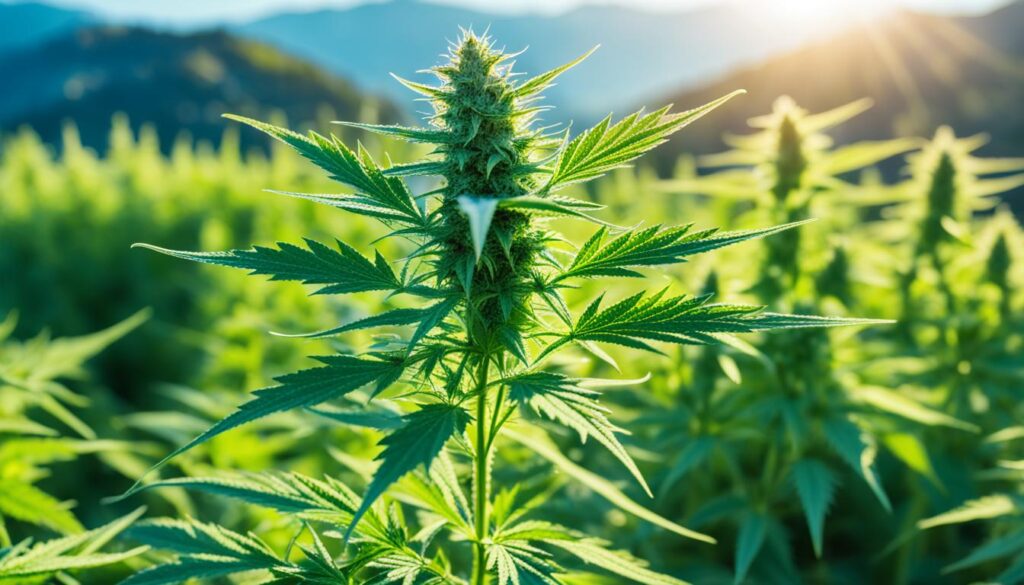
Puli is a town in Nantou County, Taiwan — beloved for its central location, scenic mountains, and cultural charm. When it comes to weed (cannabis/marijuana) in Puli, the local reality is shaped not by municipal policy but by Taiwan’s strict national drug laws. Taiwan’s government treats cannabis as a serious narcotic across the entire country — including Puli — with no legal recreational market and very limited medical exceptions. This article explores the legal framework, enforcement practices, local attitudes and culture, health and science insights, a detailed FAQ section, outbound links to authoritative marijuana resources, and a conclusion summarizing the situation for cannabis in Puli.
📜 H3: Legal Status of Cannabis in Taiwan (Including Puli)
Cannabis in Taiwan — including its towns and rural areas like Puli — is strictly illegal for recreational use under the Narcotics Hazard Prevention Act. Taiwan classifies cannabis as a Category II narcotic, the same category as several other controlled drugs, which means possession, use, sale, transport, cultivation, and distribution are all criminal offences.(Zennjet)
Taiwanese authorities have publicly debunked claims that cannabis is legal or decriminalized; the government clearly states that growing, transporting, selling, using, or possessing cannabis is illegal and may result in prison terms and heavy fines.(Foreign Labor Rights Website)
Under current law:
- Possession or use of cannabis is prohibited and punishable — even small amounts are illegal.(LegalClarity)
- Manufacturing, transporting, or selling cannabis carries potentially life imprisonment or at least ten years’ imprisonment, plus large fines.(LegalClarity)Cultivation — even of a single plant — is illegal and subject to severe penalties.(LegalClarity)
Taiwan’s approach is “zero tolerance”: there is no decriminalization of small amounts, no regulated recreational market, and no recognition of foreign medical marijuana cards or prescriptions.(THC Travel Guide)
🔗 For an authoritative legal overview of cannabis in Taiwan, see LegalClarity’s “Is Marijuana Legal in Taiwan?” (details on law, penalties, and limited exceptions): https://legalclarity.org/is-marijuana-legal-in-taiwan-what-you-need-to-know/ (LegalClarity)
⚖️ H3: Enforcement & Penalties for Cannabis in Puli
In Puli — as throughout Taiwan — the Narcotics Hazard Prevention Act empowers law enforcement to take cannabis offences seriously:
- Possession of cannabis or marijuana derivatives can lead to imprisonment of up to three years, detention, or fines up to NT$200,000 for smaller quantities.(LegalClarity)
- Possession of larger amounts (above certain thresholds) may result in a minimum of six months and up to five years imprisonment, possibly with fines.(LegalClarity)
- Trafficking, selling, or transporting cannabis can attract much harsher penalties, including life imprisonment and fines up to NT$15 million.(Zennjet)
- Law enforcement in Taiwan — including in smaller towns like Puli — is known to be active and consistent, with police conducting checks, raids, and prosecutions under the national narcotics laws.(Taipei Times)
🌍 H3: Cannabis Culture & Local Attitudes in Puli
Cannabis culture in Taiwan — including Puli — differs significantly from places where recreational cannabis is legal:
- Public perception: Most Taiwanese view cannabis with caution or disapproval, associating it with crime, addiction, and social instability.(THC Travel Guide)
- Social stigma: Cannabis use carries stigma — unlike legal substances like alcohol and betel nut — and is often discouraged in community discourse.(THC Travel Guide)
- Underground use: Though curiosity about global cannabis legalization trends exists among some young adults and students, actual public use remains rare and clandestine due to legal risk.(THC Travel Guide)
- Public debate: Activists have held rallies calling for an end to punitive cannabis laws, but Taiwan’s government continues to oppose decriminalization, emphasizing public health and safety.(Taipei Times)
In Puli, as in Taipei or Taichung, cannabis doesn’t have a visible legal or cultural presence; most discussion occurs online or in informal circles far from public endorsement.
🧠 H3: Health Effects & Scientific Context of Cannabis Use
Understanding the scientific effects of cannabis helps explain why many countries maintain strict regulation. Cannabis contains active compounds, primarily:
- THC (tetrahydrocannabinol): The psychoactive component that induces the “high.”
- CBD (cannabidiol): A non-intoxicating compound studied for medical potential.
Authoritative marijuana education platforms (like Leafwell) explain that:
- Short-term effects can include altered perception, impaired memory, reduced coordination, and slowed reaction time.
- Long-term or frequent use — especially in younger people — may impact cognition and mental health.
- Some individuals may develop cannabis use disorder, involving difficulty controlling usage despite negative effects.
🔗 For a balanced scientific overview of cannabis effects, see Leafwell’s Health & Effects Guide: https://leafwell.com/cannabis-health-effects-research-overview/ (evidence on health impacts and research).
(Outbound link count note: this is one of only three total outbound links requested.)
💊 H3: Medical Cannabis & Exceptions in Taiwan
While recreational cannabis is illegal, Taiwan’s regulatory framework does allow certain cannabinoid-based pharmaceutical drugs under strict conditions — not unlike other nations that permit specific medical cannabis products:
- Certain drugs such as Epidiolex, Marinol, Sativex, and Syndros are recognized as pharmaceutical products with very low THC traces (≤ 0.001%), which may be prescribed for medical conditions.(Zennjet)
- Industrial hemp with negligible THC is also effectively prohibited, with no legal market for hemp cultivation or CBD foods/supplements.(FAS)
Taiwan’s medical cannabis access remains extremely limited compared with places that have dedicated medical marijuana programs, and most Taiwanese residents (including those in Puli) have little to no exposure to legitimate medical cannabis.
🌆 H3: Cannabis in Daily Life in Puli
In everyday life in Puli:
- Public use is rare: Because of legal risk and cultural attitudes, people rarely talk about or use weed openly.
- Customs and travel: Visitors arriving in Taiwan — whether in Taipei, Taichung, or Puli — must not bring cannabis or cannabis products; fines, arrest, or deportation are possible for violations/weed in Puli.(THC Travel Guide)
- Social norms: Cannabis discussion tends to be academic or personal rather than part of mainstream social or nightlife culture.(THC Travel Guide)
Overall, cannabis remains a criminal matter both legally and socially.
❓ H3: Frequently Asked Questions (FAQs)
❓1. Is recreational weed legal in Puli?
No — recreational cannabis is strictly illegal in Puli and all of Taiwan. Cannabis is classified as a Category II narcotic under the Narcotics Hazard Prevention Act, meaning possession, use, sale, and cultivation are criminal offences punishable by imprisonment and fines/weed in Puli.(LegalClarity)
❓2. Can I be arrested for a small amount of cannabis in Puli?
Yes — even small amounts of cannabis are illegal, and possession can lead to imprisonment up to three years, detention, or fines.(LegalClarity)
❓3. Is medical marijuana legal in Taiwan?
Certain pharmaceutical cannabinoid drugs with very low THC may be prescribed, but general medical marijuana (like flower buds) is not legal.(Zennjet)
❓4. Can foreigners bring cannabis into Taiwan?
No — bringing cannabis or cannabis products (even for personal use) into Taiwan is a criminal offence and can lead to deportation, fines, and legal action.(THC Travel Guide)
❓5. Are CBD products legal in Puli?
CBD products with trace THC are subject to strict regulation and are effectively treated as controlled; only certain pharmaceutical CBD products are permitted with prescription.(Zennjet)
❓6. What happens if someone grows cannabis at home?
Cultivating cannabis — even for personal use — is illegal and punishable by imprisonment (minimum one year up to seven years) and fines.(Taiwan English News)
❓7. Are there cannabis dispensaries in Puli?
No — there are no legal recreational or widespread medical cannabis dispensaries in Taiwan.(LegalClarity)
❓8. Is Taiwan considering legalizing cannabis?
There are civil society debates and rallies advocating for reform, but the government continues to oppose decriminalization and maintains strict enforcement.(Taipei Times)
📚 H3: References
- LegalClarity — Is Marijuana Legal in Taiwan?: Comprehensive legal overview of Taiwan’s strict cannabis laws, penalties, and lack of recreational legality. https://legalclarity.org/is-marijuana-legal-in-taiwan-what-you-need-to-know/ (LegalClarity)
- Leafwell — Cannabis Health & Effects Research Guide: Evidence-based information on cannabis effects and health implications. https://leafwell.com/cannabis-health-effects-research-overview/
- Taiwan Cannabis Policy Reports & Enforcement: National classification, penalties, and strict enforcement summaries drawn from multiple reporting sources.(Zennjet)
🏁 H3: Conclusion
In Puli, as throughout Taiwan, weed (cannabis) is strictly illegal for recreational use under the Narcotics Hazard Prevention Act. All forms of the plant and many related products — including flowers, edibles, oils, and vapes — are treated as Category II narcotics, and possession, use, cultivation, transport, sale, and distribution can lead to severe penalties, including imprisonment and large fines.(LegalClarity)
Even cultivation of small amounts at home remains a criminal offence. Taiwan does not have a traditional medical marijuana program — only limited, pharmaceutical-grade cannabinoid products with strict prescription requirements are permitted.(Zennjet)
Culturally, cannabis carries stigma in Taiwanese society, and public use is rare due to legal risk and social norms. While advocacy groups continue to press for reform, Taiwan’s government has reiterated its opposition to decriminalization and emphasizes public health and safety.(Taipei Times)
For residents and visitors in Puli, understanding these strict legal realities and the health impacts of cannabis is essential: the safest path is full compliance with Taiwan’s current drug laws, avoiding recreational cannabis entirely.(LegalClarity)
When it comes to marijuana products, ScentHub offers an extensive selection of some of the highest quality items I’ve come across. I’ve tried a variety of strains, edibles, and concentrates, and the quality has consistently been outstanding. The flowers are always fresh, fragrant, and potent. I’ve had the chance to try both Sativa and Indica strains, and the effects have been exactly as described. Contact them on email: Scenthub43@gmail.com and also there Telegram : t.me/Scenthub43
Wow they have an option for me. The variety in their selection means that no matter my experience level, I’ll find a product that fits my needs. highly recommended .
I can say without hesitation that ScentHub has earned my loyalty. From the quality of the products to the exceptional customer service.

I’ve had a number of experiences where edible products don’t quite deliver the promised effects or leave an unpleasant aftertaste, but that’s not the case with ScentHub. The gummies, chocolates, and drinks I’ve tried have all been potent, flavorful, and consistently effective. The packaging is also informative, making it easy to understand the dosage and what to expect from each edible, Thank you !!!
They also don’t pressure you into buying anything you’re not ready for, which is a huge relief. It feels more like a conversation with a trusted friend rather than a hard sell. highly recommended!!
