
🌿 Weed in Rohini: Cannabis Laws, Culture, Health, Risks, FAQs & Conclusion
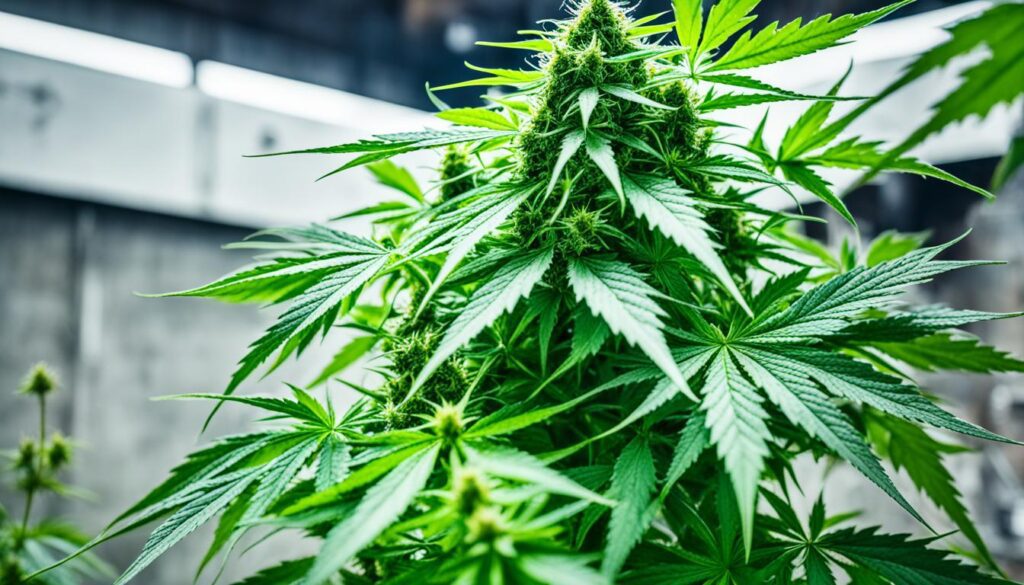
Rohini is a fast-growing residential and commercial neighborhood in North West Delhi, India — home to families, students, professionals, and markets. When people talk about weed (cannabis/marijuana) in Rohini, they’re really talking about how cannabis is treated under Indian federal law, how that law is enforced in Delhi, the cultural attitudes toward cannabis, health and science around its use, and what residents or visitors should understand to stay safe and legal.
In India — including Rohini — cannabis is not a simple “allowed or banned” topic. The national Narcotic Drugs and Psychotropic Substances (NDPS) Act, 1985, governs cannabis and other controlled substances, and it has very specific rules on what parts of the cannabis plant are illegal, what exceptions exist, and what penalties apply. (CannaInsider)
This article dives into the legal framework, enforcement in Rohini and Delhi, social and cultural context, health impacts, FAQs (with a special first answer), references, and a conclusion that ties it all together.
📜 H3: Legal Status of Cannabis in India and Rohini
Cannabis — commonly called ganja, charas, or weed — is illegal in India. The NDPS Act, 1985 makes it a criminal offence to produce, sell, possess, consume, transport, or purchase cannabis flowering tops and resin (ganja and charas). (CannaInsider)
- Flowering tops and resin are illegal: The plant’s leaves and seeds are excluded from the Act, which is why bhang — a traditional cannabis leaf preparation used culturally in some festivals — is not classified as a narcotic. (Wikipedia)
- NDPS applies nationwide: The law is federal, so residents and visitors in Rohini face the same legal framework as anywhere in India. (The Cannigma)
- In short, marijuana/weed as most people understand it (flowers, buds, resin) is illegal under Indian law — regardless of where you are in India, including Rohini. (CannaInsider)
⚖️ H3: Understanding the NDPS Act (Cannabis Law Basics)
The Narcotic Drugs and Psychotropic Substances (NDPS) Act, 1985 is India’s main law for drugs and cannabis. It classifies cannabis with other controlled narcotics. (Wikipedia)
Under the NDPS Act:
- Ganja is defined as the flowering or fruiting tops of the cannabis plant — the part responsible for psychoactive effects — and is illegal. (LawBhoomi)
- Charas refers to the resin extracted from the plant (hashish) — also illegal. (LawBhoomi)
- Bhang is made from leaves and seeds and is excluded from the NDPS definition, which is why it’s sometimes tolerated or regulated differently in certain states. (Wikipedia)
- Hemp with very low THC may be permitted for industrial or CBD products, but THC-rich cannabis remains prohibited unless under an official research or medical licence. (LawBhoomi)
The Act carries strict penalties:
- Small quantity (personal use): Up to ~6 months imprisonment or a fine (or both). (LawBhoomi)
- Medium (above small but not commercial): Up to 10 years imprisonment and fine. (LawBhoomi)
- Commercial quantity: 10–20 years imprisonment and larger fines. (LawBhoomi)
📍 H3: Enforcement of Cannabis Laws in Rohini and Delhi
In Delhi and its localities like Rohini, enforcement of the NDPS Act is taken seriously by police and narcotics units:
- Possession check: Delhi Police enforce anti-narcotics laws on roads, in public places, near colleges, and in residential zones.
- Raid and searches: Law enforcement may respond to intelligence inputs, neighborhood tipping, or random checks.
- Non-bailable offences: Certain cannabis offences are cognizable and non-bailable, meaning police can arrest without a warrant. (Supreme Today)
- Evidence standards: Cases are often built on physical evidence such as plant material, paraphernalia, and in some instances, even smell or possession of smoking devices has formed part of legal charges in court. (Supreme Today)
Delhi’s status as the national capital also means police activity is higher and public order laws are typically enforced more consistently than in rural or less urbanized regions.
Despite some cultural tolerance of bhang during festivals, weed remains illegal and actively policed. (CannaInsider)
🌆 H3: Cannabis Culture in Rohini and Urban India
Cannabis use exists in India and is part of certain cultural practices — but that doesn’t change its legal status:
- Traditional use: Bhang, made from leaves and seeds of the cannabis plant, is associated with festivals like Holi and Shivratri and is often sold by licensed vendors in some states. (Wikipedia)
- Recreational underground market: Despite prohibition, many people still consume weed — often sourced through informal networks — but this happens outside the law. (CannaInsider)
- Social attitudes: Cannabis use is socially mixed in India — some see it as cultural or recreational, others as harmful or illegal. (theplankmag.com)
In Rohini — like other parts of Delhi — informal, underground cannabis use exists, especially among youth and students. But public acceptance does not equate to legality. Law enforcement continues to treat such activity as crime. (CannaInsider)
🧠 H3: Health, Effects & Research on Cannabis
Understanding cannabis effects helps contextualize why many countries regulate it strictly:
Cannabis contains various chemical compounds called cannabinoids. The two most well-known are:
- THC (tetrahydrocannabinol): Psychoactive compound responsible for the “high.”
- CBD (cannabidiol): Non-intoxicating compound studied for medical potential.
Research shows cannabis use can affect the brain and body in several ways:
- Short-term effects: Altered perception, euphoria, slowed reaction time, difficulty concentrating.
- Long-term use: Possible memory and cognitive changes with frequent use, particularly in younger users.
- Dependence risk: Repeated heavy use can lead to cannabis use disorder in some individuals.
For evidence-based health information on cannabis — from an authoritative marijuana information website — see below:
🔗 Cannigma — India Marijuana Laws & Health Context: https://cannigma.com/regulation/india-marijuana-laws/ — this source provides both legal framework and broader context about cannabis effects and why laws are strict in India. (The Cannigma)
Health research also cautions about mixing cannabis with tobacco, driving under influence, and combining it with other substances.
📉 H3: Public Safety & Legal Risks in Rohini
Being caught with cannabis — even a small amount — in Rohini or anywhere in Delhi can lead to serious legal consequences:
- Arrest and prosecution: Cannabis possession often leads to arrest and arrest records.
- Non-bailable charges: Some cannabis offences under the NDPS Act are non-bailable, making bail difficult. (Supreme Today)
- Criminal record: Conviction leads to a criminal record, which may affect employment, travel, and civil rights.
- Transport offences: Carrying cannabis in public spaces can attract police attention during traffic stops or random checks. (Times Of Hemp)
Public safety campaigns in Delhi emphasize drug prevention, especially around colleges and teen populations.
❓ H3: Frequently Asked Questions (FAQs)
❓1. Is recreational weed legal in Rohini?
No — recreational cannabis (weed/ganja/charas) is illegal across India, including Rohini and greater Delhi. Possessing, consuming, selling, transporting, or cultivating marijuana is prohibited under the Narcotic Drugs and Psychotropic Substances Act, 1985 (NDPS Act). Even small amounts can attract criminal charges, fines, and imprisonment. (CannaInsider)
❓2. Can I legally use bhang in Rohini?
Yes — bhang (made from cannabis leaves and seeds, not flowers or resin) is excluded from the NDPS Act definition and may be legal in some states and during festivals, depending on local rules. (Wikipedia)
❓3. Are CBD products legal in India?
CBD products with low THC may be permitted if compliant with Indian regulatory standards, but THC-containing weed products remain illegal. (Cannamix)
❓4. What happens if someone is caught with a small amount of cannabis?
Small amounts can still lead to imprisonment (up to six months) and/or fines (up to ₹10,000), or both, even without intent to sell. (LawBhoomi)
❓5. Is medical marijuana available in India?
India generally does not have a national medical marijuana program. Some experimental or ayurvedic prescriptions exist, but there’s no formal nationwide legal framework for medical cannabis. (cannabislaws.global)
❓6. Can tourists possess weed in Rohini?
No — tourists are subject to the same laws as Indian residents. Carrying any illegal cannabis products can result in arrest and prosecution. (CannaInsider)
❓7. What’s the difference between ganja and bhang?
The NDPS Act defines ganja (flowers) and charas (resin) as illegal narcotics, whereas bhang (leaves/seeds) is excluded and often culturally accepted. (Wikipedia)
❓8. Are cannabis cultivation licences available in India?
State governments can regulate cultivation for medical/scientific use, but such licences are extremely limited and do not permit recreational growing. (The Cannigma)
📚 H3: References
- Cannigma — India Marijuana Laws & Health Context: India Marijuana Laws Explained https://cannigma.com/regulation/india-marijuana-laws/ (The Cannigma)
- Cannabis Legal Status in India: Cannainsider — Is Marijuana Legal in India? https://cannainsider.com/articles/is-weed-legal-in-india/ (CannaInsider)
- Cannabis Definitions & Law: LawBhoomi — Cannabis Law & NDPS Act in India https://lawbhoomi.com/cannabis-law-in-india/ (LawBhoomi)
🏁 H3: Conclusion
In Rohini (Delhi) — as in the rest of India — weed (cannabis/marijuana) remains illegal for recreational use under the Narcotic Drugs and Psychotropic Substances (NDPS) Act, 1985. Possessing, using, buying, selling, cultivating, or transporting cannabis flowers, resin, or related products is a punishable offence that can lead to fines, imprisonment, and criminal records. (CannaInsider)
While bhang (made from leaves and seeds) is legally distinct and often consumed in traditional cultural contexts, THC-rich weed products are criminalized. CBD products with low THC are tolerable if compliant with regulation, but these do not change the prohibitions around recreational cannabis. (Cannamix)
Public safety, enforcement, and penalties in Rohini reflect these national laws, and visitors or residents should not assume any form of recreational marijuana legality. Enforcement remains serious, penalties can be steep, and legal reform discussions are ongoing but not realized. (journals.lww.com)
Understanding the law, respecting public safety norms, and staying informed help people navigate the realities of cannabis policy in Rohini and India. (CannaInsider)
When it comes to marijuana products, ScentHub offers an extensive selection of some of the highest quality items I’ve come across. I’ve tried a variety of strains, edibles, and concentrates, and the quality has consistently been outstanding. The flowers are always fresh, fragrant, and potent. I’ve had the chance to try both Sativa and Indica strains, and the effects have been exactly as described. Contact them on email: Scenthub43@gmail.com and also there Telegram : t.me/Scenthub43
Wow they have an option for me. The variety in their selection means that no matter my experience level, I’ll find a product that fits my needs. highly recommended .
I can say without hesitation that ScentHub has earned my loyalty. From the quality of the products to the exceptional customer service.

They don’t pressure you into buying anything you’re not ready for, which is a huge relief. It feels more like a conversation with a trusted friend rather than a hard sell. highly recommended!!